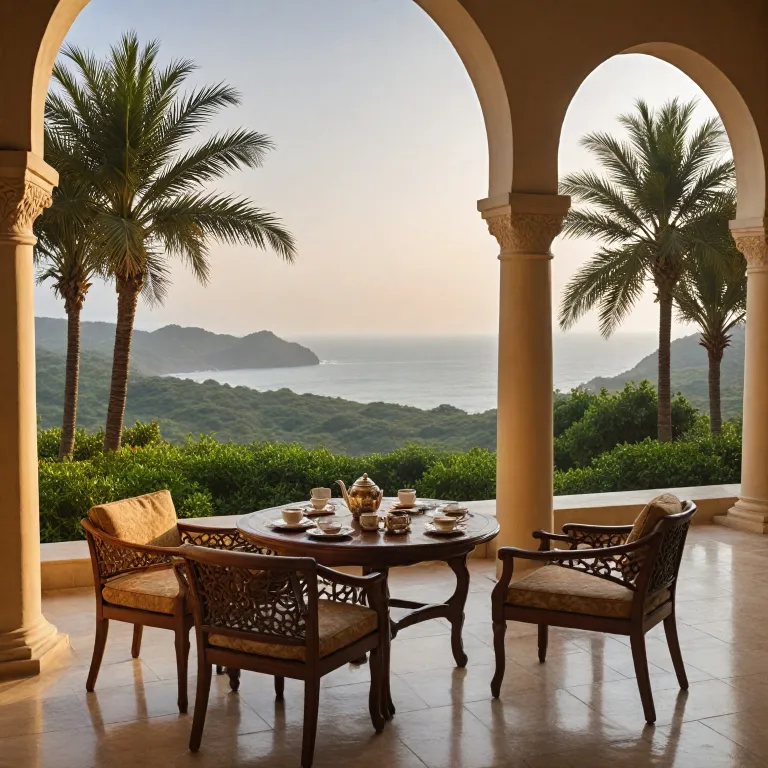
Salalah city overview for refined travellers
The city of Salalah offers an elegant contrast to other destinations in Oman. Set between the Arabian Sea and the green mountains of Dhofar, the city creates a calm atmosphere that appeals to premium and luxury guests. Salalah city has grown into the capital Dhofar hub, where modern hotels sit close to frankincense trees and traditional markets.
Within this coastal city, travellers find a softer climate than in much of the Middle East. The unique khareef season brings misty air, cooler temperatures, and lush hillsides that frame the city center and nearby beaches. Many visitors plan their stay in the city of Salalah around this khareef season, choosing hotels that highlight sea views and easy access to green valleys.
Salalah public spaces are expanding as part of wider urban development in Oman. The Salalah New City project, designed by Sasaki, adds a waterfront district that blends contemporary lines with omani architectural details. This new city salalah area is expected to attract more premium hotels, serviced apartments, and high end dining that suit discerning guests.
The city of Salalah also carries strong cultural weight within Oman Salalah history. It was once a key center of the frankincense trade, and visitors can still see frankincense trees in the hills beyond the city. Today, the city popular reputation combines this heritage with modern comforts, making it an appealing base for travellers who want both character and refined service.
Climate, khareef season and the best time to stay
Understanding the local climate is essential when planning a luxury stay in the city of Salalah. For much of the year, the climate is warm and dry, with clear air and calm seas along the Arabian Sea coast. However, the famous khareef season transforms Salalah city into a misty green landscape that feels unlike anywhere else in the Middle East.
The khareef season runs from June to September and shapes hotel demand across the city. During this period, the climate cools, low clouds roll over the mountains, and waterfalls appear in valleys such as wadi darbat. Many omani families and regional guests book premium hotels early for the khareef season, so travellers seeking space and sea views should secure reservations well in advance.
Outside the monsoon months, the city of Salalah offers long sunny days that suit beach stays and cultural excursions. November is particularly attractive, with comfortable temperatures and clearer skies that allow guests to enjoy both the Arabian Sea and inland attractions. Luxury hotels often adjust their experiences by season, offering mist focused excursions in khareef and more marine activities in the drier months.
When you read any travel guide to Oman Salalah, you will notice how strongly the climate shapes local life. The city popular rhythm follows the seasons, from quiet coastal days to lively khareef evenings in the city center. For premium travellers, aligning your preferred style of stay with the right season ensures that the city of Salalah matches your expectations for comfort, scenery, and crowd levels.
Access, public transport and premium arrival experiences
Reaching the city of Salalah has become easier, which supports the growth of luxury and premium hotels. Salalah international airport sits a short drive from the city center, offering modern facilities and efficient arrival procedures. Oman Air and other regional carriers connect Salalah city with Muscat and key hubs across the Middle East, making multi stop itineraries straightforward.
Many high end travellers arrange private transfers from Salalah international to their hotel, ensuring a smooth transition from air to sea. However, guests who prefer independent movement can also use public transport or taxis from the airport into the city. While salalah public transport is still developing, buses and shared vehicles link the main city areas, and some hotels provide scheduled shuttles to key attractions.
For overland arrivals, a long distance bus journey from Muscat or other parts of Oman offers a scenic alternative to flying. The bus routes follow the coast or desert landscapes before reaching the greener capital Dhofar region around the city of Salalah. Within the city, taxis remain the most practical option for premium guests, especially when moving between the city center, port salalah, and resort districts along the Arabian Sea.
Port Salalah, operated by APM Terminals, is one of the region’s major maritime hubs and occasionally welcomes cruise passengers. These visitors often use curated excursions that combine city attractions, wadi darbat, and coastal viewpoints before returning to their ship. Whether you arrive by air, bus, or sea, planning transfers in advance allows you to focus on the refined aspects of your stay in Oman Salalah rather than logistics.
Cultural attractions, language and refined urban experiences
The city of Salalah offers a rich blend of cultural attractions that pair well with luxury accommodation. In the city center, the impressive qaboos mosque stands as a focal point for omani religious life and architecture. Visitors should dress modestly and respect prayer times, but many hotels and guides can advise on appropriate visiting hours and etiquette.
Arabic is the main language in Salalah city, yet English is widely spoken in hotels, restaurants, and major attractions. This makes it easy for international guests to read menus, understand a travel guide, and communicate with staff about tailored services. Learning a few Arabic greetings adds warmth to interactions and reflects respect for local culture during your stay in the city of Salalah.
Beyond religious sites, the city popular heritage includes museums and markets that highlight the historic frankincense trade. “Historically, Salalah was a major center for the frankincense trade, exporting this valuable resin to ancient civilizations.” Today, visitors can still see frankincense trees in the Dhofar hills and purchase high quality resin in city markets, often combined with omani perfumes and incense.
Urban development is reshaping city salalah, especially along the planned Salalah New City waterfront. This district aims to integrate modern design with traditional motifs, creating public space for promenades, dining, and cultural events. For travellers who enjoy refined city experiences, combining a stay in a premium hotel with evenings along the waterfront and visits to historic quarters offers a balanced view of Oman Salalah.
Nature, khareef landscapes and premium excursions
One of the strongest appeals of the city of Salalah is the easy access to nature. Within a short drive from the city center, guests can reach beaches that open directly onto the Arabian Sea, as well as green valleys and plateaus. During the khareef season, these landscapes become especially dramatic, drawing visitors from across Oman and the wider Middle East.
Wadi darbat is among the most celebrated natural attractions near Salalah city, particularly when seasonal waterfalls flow. Many luxury hotels arrange private excursions with knowledgeable guides, allowing guests to explore the area in comfort and avoid crowded viewpoints. Outside khareef, wadi darbat still offers pleasant walks, boat rides, and views over the capital Dhofar countryside that surrounds the city of Salalah.
Along the coast, the interplay between the Arabian Sea and the mountains creates varied microclimates. Some stretches near city salalah remain calm and suitable for swimming, while others are better for coastal walks and photography. A well curated travel guide from your hotel concierge can help you match each beach or viewpoint to the season, ensuring that your time in Oman Salalah feels both safe and rewarding.
For guests who value privacy and space, arranging early morning or late afternoon excursions often provides a quieter experience. Premium hotels can coordinate timings, vehicles, and refreshments, so you can simply read your itinerary and enjoy the changing light over frankincense trees and cliffs. These tailored outings highlight how the city of Salalah combines resort comfort with easy access to authentic natural settings.
Planning luxury stays and connecting Salalah with wider Oman
Choosing the right hotel in the city of Salalah starts with clarifying your priorities. Some travellers prefer a resort style property along the Arabian Sea, where every room opens toward the water and private space is abundant. Others may select a refined address closer to the city center, allowing quick access to attractions, markets, and cultural venues in Oman Salalah.
When comparing properties, consider how each hotel supports movement around city salalah and beyond. Some offer scheduled shuttles to salalah public landmarks such as qaboos mosque, wadi darbat, and major malls, while others focus on private cars and bespoke tours. Reading each article or travel guide on the hotel website can help you understand whether their services match your expectations for premium or luxury stays.
Many visitors combine time in the city of Salalah with a stay in Muscat or other omani destinations. For inspiration on refined urban stays in the capital, you can consult a detailed travel feature on elegant Muscat hotel experiences before or after planning your Salalah itinerary. This approach allows you to explore both the northern and southern coasts of Oman, linked by Oman Air flights or a scenic bus journey.
Governance and infrastructure also support the city of Salalah as a premium destination. Sultan Haitham bin Tariq Al Said oversees national development, while port salalah continues to grow under the management of APM Terminals. With ongoing investment in Salalah New City and the integration of modern planning with traditional omani architecture, the city popular profile among discerning travellers is set to strengthen, making now an excellent time to plan a refined stay in this coastal capital Dhofar city.
Key statistics for the city of Salalah luxury travel market
- The wider metropolitan area of the city of Salalah is projected to reach around 469 000 residents, supporting a growing base of services, staff, and amenities for premium hotels.
- The Salalah New City waterfront development covers approximately 7,3 square kilometres, creating significant new space for high end accommodation, dining, and public attractions along the Arabian Sea.
- Investment in Salalah New City is estimated at about 350 million USD, reflecting strong confidence in the long term potential of Oman Salalah as a city popular with international and regional travellers.
Essential questions about visiting the city of Salalah
What is the Khareef season in Salalah?
The Khareef season, from June to September, is a monsoon period that brings cooler temperatures and lush greenery to Salalah, attracting many tourists. During this time, the city of Salalah experiences misty air, low clouds, and flowing waterfalls in valleys such as wadi darbat. Luxury hotels often design special experiences around this khareef season, from guided drives to green viewpoints to spa treatments that highlight the refreshing climate.
What is the significance of the frankincense trade in Salalah?
Historically, Salalah was a major center for the frankincense trade, exporting this valuable resin to ancient civilizations. Travellers staying in the city of Salalah can visit heritage sites and markets that still sell frankincense sourced from nearby frankincense trees in Dhofar. Many premium hotels incorporate frankincense into wellness rituals or amenities, allowing guests to connect with this omani tradition in a refined setting.
What are the main economic activities in Salalah?
Salalah's economy is driven by tourism, trade through its port, and agriculture, particularly during the Khareef season. For visitors, this means the city of Salalah offers a stable base of services, from well staffed hotels to quality restaurants and transport providers. The presence of port salalah, expanding tourism infrastructure, and fertile lands around the capital Dhofar region all contribute to a reliable environment for planning luxury and premium stays.