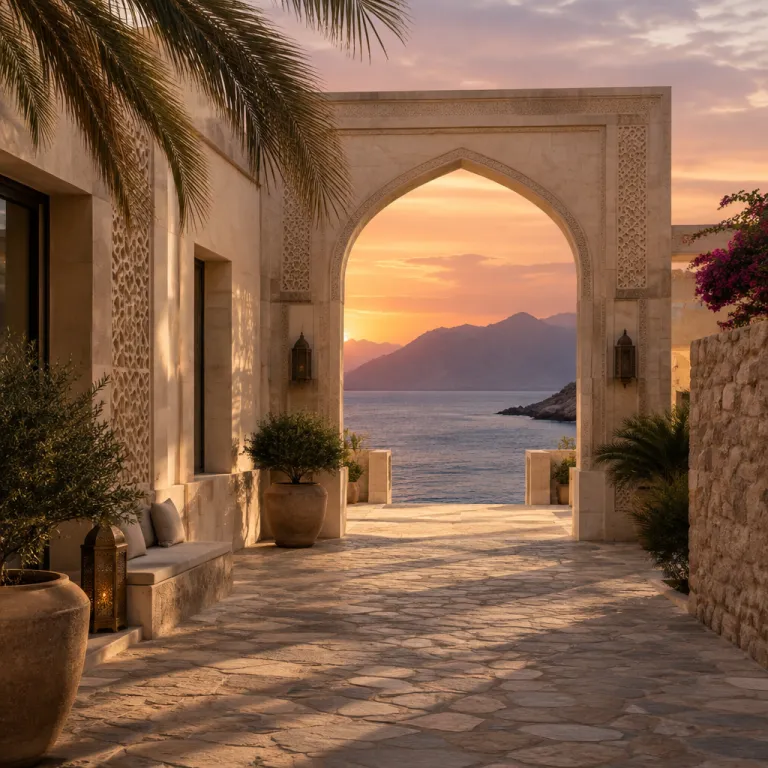
Muscat as a luxury gateway to oman’s coast and desert
Muscat is both the capital city of Oman and a historic coastal haven. In everyday travel terms, “What is Muscat?” usually means the Omani capital on the Gulf of Oman, while in wine and gastronomy circles “muscat” refers to one of the world’s oldest grape variety families. This dual identity shapes how luxury travellers experience Muscat, from seafront suites to curated pairings inspired by the muscat grape family.
The Muscat Governorate forms the country’s most important metropolitan area, home to about 1.53 million residents and almost one third of the national population, according to Oman’s National Centre for Statistics and Information. That scale matters when you book a premium hotel in Muscat, because the city concentrates the finest spas, private beach clubs, and chauffeur services in the sultanate. High end properties cluster along the Gulf of Oman, where the Arabian Sea breeze softens the heat and frames sunset views over the rugged east coast mountains.
Luxury guests often arrive through Muscat International Airport, now a polished international hub linking the city to the wider Middle East and beyond. From the moment you land, you move through marble halls that mirror the understated elegance of the best hotels in the city. Many five star properties offer fast track immigration, private transfers, and in suite check in; one concierge describes guests stepping from aircraft door to ocean view suite in under 50 minutes, turning the practical gateway of Muscat into the first chapter of a tailored stay.
Coastal elegance in the city: where to stay in muscat oman
Along the coast of the Gulf of Oman, the most sought after luxury hotels balance urban energy with resort calm. In this part of the city, you can wake to views of the Arabian Peninsula’s craggy shoreline, then reach business meetings or cultural sites within minutes. The metropolitan area stretches in a long ribbon between sea and mountains, so choosing the right area is crucial for a seamless itinerary.
Travellers who want a refined coastal stay with direct marina access often look to Al Mouj in Muscat. Here, the St. Regis Al Mouj Muscat Resort offers a polished base for guests who value discreet service, curated dining, and easy access to both the international airport and the city’s golf courses, making it an ideal luxury Muscat resort on the waterfront. From this area, you can cruise along the Gulf of Oman at sunrise, then return to a spa suite before heading into town for an evening at the Royal Opera House.
Further east, near Qurum and Shatti, hotels lean into beach club atmospheres while still serving the corporate economy of the capital. These properties suit travellers who want to mix meetings with sea swims, and who appreciate quick access to embassies and ministries in the city. When you compare options, consider whether you prefer a quieter residential area or a livelier coastal strip, because both shapes of luxury exist side by side in Muscat.
Heritage, aflaj, and responsible luxury in the sultanate oman
Muscat’s appeal for premium travellers rests on more than polished lobbies and private pools. The city sits on one of the oldest trading routes of the Arabian Peninsula, and its history as a major trading port still shapes how hotels design guest experiences. Many high end properties now weave this history into architecture, spa rituals, and curated excursions across the sultanate Oman.
One of the most compelling stories beneath your resort in Muscat is the ancient aflaj water system. These underground channels, recognised by UNESCO, still feed gardens and date groves in the wider area, and some luxury hotels now highlight them as part of their sustainability narrative. If you value responsible luxury, look for properties that explain how aflaj irrigation supports development Oman while respecting fragile desert ecosystems, and explore this theme further through resources such as the article on the ancient water system under your resort.
Heritage focused itineraries in Muscat often include guided visits to Muttrah Corniche, Al Jalali and Al Mirani forts, and the old trading port that once linked the Gulf of Oman to India and East Africa. When you stay in a luxury hotel that understands this history, concierges can arrange private tours with Arabic speaking guides who explain how trade, the Arab economy, and maritime power shaped the modern city. This blend of cultural depth and premium comfort is where Muscat truly stands apart in the Middle East.
From sultan qaboos grand mosque to the old trading port
Any luxury stay in Muscat Oman should include time at Sultan Qaboos Grand Mosque. This landmark, often simply called the grand mosque, anchors the spiritual and architectural identity of the city. Arrive early in the morning to appreciate the Arabic calligraphy, the vast prayer hall, and the interplay of light on white stone that almost glows blanc against the blue sky.
After visiting the grand mosque, many travellers head towards Muttrah, the historic trading port that once drew merchants from across the Middle East. Here, the corniche curves along the Gulf of Oman, with views of dhows that still recall the era when Muscat was one of the largest hubs for frankincense and spice trade on the Arabian Peninsula. Walking these streets, you sense how the city’s economy was born from maritime routes that linked Muscat to India, East Africa, and the United Arab Emirates long before modern borders.
In the old town near Port Sultan Qaboos, luxury hotel concierges can arrange private souq visits, rooftop dinners, or yacht charters that trace the coastline once sailed by explorers such as Vasco Gama. These curated experiences connect the modern metropolitan area to centuries of history, giving context to every view of the Gulf of Oman from your suite. When you choose a premium property that invests in such storytelling, your stay in Muscat becomes a narrative rather than a simple city break.
Muscat grapes, muscat blanc, and refined wine culture in oman
Beyond its role as a capital city, Muscat lends its name to one of the world’s oldest grape families. Muscat grapes are known for sweet, floral, fruity aromas, and this character influences how sommeliers in Muscat design pairings, even in a country where alcohol service is carefully regulated. In high end hotels, you may encounter non alcoholic pairings that echo muscat blanc notes through infused teas and grape based mocktails.
Understanding the muscat grape family helps you appreciate why certain desserts, cheeses, or Arabian mezze appear together on tasting menus. While Oman is not a major wine producer, its chefs and beverage teams study classic muscat blanc and sauvignon blanc profiles from abroad, then translate those structures into local experiences that respect cultural norms. The result is a nuanced approach where grape varieties inspire flavour architecture, even when the glass in front of you holds a spiced date infusion rather than wine.
Some luxury properties in Muscat now host educational evenings that explore the history of muscat grapes alongside the broader history of the Arabian Peninsula. You might learn how ancient trade routes once carried grape products, spices, and textiles through the Middle East, linking the Gulf of Oman to Mediterranean ports. For travellers who enjoy gastronomy, choosing a hotel with a strong beverage programme turns each dinner into a quiet masterclass in flavour, culture, and the subtle role of the muscat grape family in global cuisine.
Practical luxury: access, economy, and development in oman muscat
When you plan a premium stay in Muscat Oman, logistics matter as much as aesthetics. The city’s role as the administrative heart of the sultanate Oman means that ministries, corporate headquarters, and diplomatic missions cluster within a relatively compact area. For business travellers, this concentration reduces transfer times and allows you to balance meetings with time at the spa or by the pool.
Muscat International Airport connects the city to major hubs across the Middle East, including the Arab Emirates and other united Arab gateways. Many luxury hotels in Muscat are within 15 to 25 kilometres of the international airport, so you can move from aircraft door to suite in under an hour, even during peak periods. This connectivity supports the broader economy and underpins development Oman, especially in sectors such as tourism, logistics, and petroleum development that rely on efficient global links.
As the urban population of the Muscat Governorate grows and tourism increases, the city invests in infrastructure that benefits high end travellers and residents alike. Road upgrades, waterfront promenades, and cultural venues all contribute to a more liveable metropolitan area, while also supporting the hospitality sector’s shift towards experiential luxury. For guests, this means smoother airport transfers, more reliable services, and a wider choice of premium hotels that reflect both the modern ambitions and deep history of Muscat Oman.
Desert, mountains, and roaming luxury beyond the city
One of Muscat’s greatest strengths as a luxury base is how quickly you can leave the city behind. Within a few hours’ drive, the landscape shifts from the Gulf of Oman coastline to rugged mountains, sand deserts, and hidden wadis that feel a world away from the metropolitan area. High end travellers increasingly combine a few nights in Muscat with tailored excursions into these quieter regions of the sultanate Oman.
Specialist operators now curate roaming camps that bring five star comforts to remote corners of east Oman. These experiences often use expert guides, powerful 4×4 vehicles, and light footprint camps to explore dunes, canyons, and high plateaus under the Arabian sky, as described in depth in this feature on roaming luxury camps for discerning travellers. For guests, the contrast between a marble lobby in Muscat and a lantern lit dinner in the desert creates a narrative arc that feels both exclusive and authentic.
When you book such combinations, consider how each element reflects the wider history and economy of Oman Muscat. Desert routes once used for trade now host carefully managed tourism, while mountain villages still rely on aflaj water systems that pre date modern petroleum development and contemporary development Oman. Choosing operators and hotels that respect these contexts ensures your journey across the sultanate Oman supports local communities while delivering the level of comfort you expect from a premium stay.
Key figures and travel statistics for muscat luxury stays
- The Muscat Governorate hosts about 1.53 million residents, representing roughly 28.6 percent of Oman’s total population, which makes the city the country’s largest urban concentration and the primary focus for luxury hotel development, according to the National Centre for Statistics and Information.
- Oman’s total population stands near 5.4 million, and Muscat’s share underlines why most premium hotels, top restaurants, and cultural venues cluster in this single metropolitan area.
- The proportion of expatriates in Muscat remains stable at around 43 percent, based on recent official estimates, creating an international guest profile that shapes service standards, language skills, and culinary diversity in high end hotels.
- Tourism to Muscat and the wider sultanate Oman has been increasing steadily over recent years, encouraging ongoing investment in Muscat International Airport facilities and new luxury properties along the Gulf of Oman coastline.
FAQ: luxury and premium hotel stays in muscat oman
Is Muscat mainly a business city or a leisure destination ?
Muscat functions as both the political and economic centre of the sultanate Oman and a growing leisure hub on the Arabian Peninsula. Business travellers are drawn by ministries, corporate offices, and petroleum development companies, while leisure guests come for coastal resorts, heritage sites, and desert excursions. Many luxury hotels in Muscat now design services that cater to both segments within a single property.
How far are luxury hotels from Muscat International Airport ?
Most premium hotels in Muscat Oman sit between 15 and 35 kilometres from Muscat International Airport. Properties in Al Mouj and nearby coastal districts are closest to the international airport, often reachable in 15 to 25 minutes by private transfer. Hotels further east towards Qurum or the old city may take slightly longer, but still remain convenient for short stays.
What cultural sites should I prioritise near my hotel in Muscat ?
High end travellers usually prioritise Sultan Qaboos Grand Mosque, Muttrah Corniche, and the old trading port area around Port Sultan Qaboos. These sites showcase the Arabic architectural heritage, maritime history, and living souq culture that shaped the city’s role in regional trade. Many luxury hotels in Muscat can arrange private guided visits that fit around spa appointments or business meetings.
Is Muscat suitable for travellers interested in gastronomy and wine culture ?
While Oman follows strict regulations on alcohol, Muscat offers a sophisticated culinary scene that often references global wine culture, including muscat blanc and sauvignon blanc profiles. Luxury hotels use the aromatic character of muscat grapes as inspiration for pairings, mocktails, and dessert courses that respect local customs. Guests who value gastronomy should look for properties with strong chef led restaurants and knowledgeable beverage teams.
Why is Muscat a strategic base for exploring the rest of oman ?
Muscat’s position on the Gulf of Oman, its status as the largest city, and its modern transport links make it an ideal starting point for wider journeys across the sultanate Oman. From the capital, you can reach deserts, mountains, and coastal enclaves within a few hours by road or short domestic flights. This combination of urban comfort and easy access to remote landscapes is a key reason luxury travellers choose Muscat Oman as their primary base.