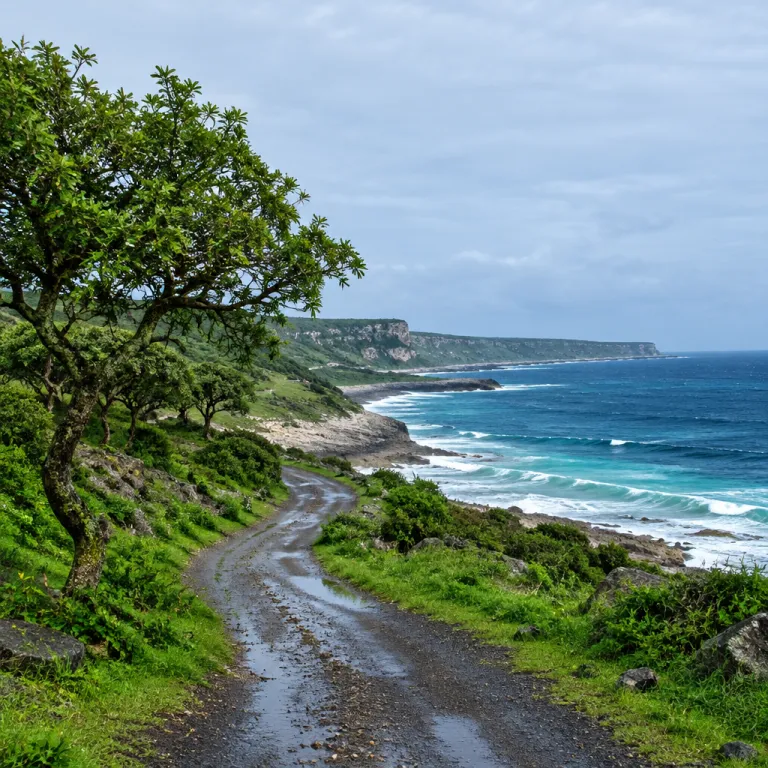
Why salalah winter travel belongs on a luxury itinerary
Salalah in winter feels like a secret kept from most international travelers. When the khareef season ends and the monsoon clouds lift, the coast settles into a clear, calm period that rewards guests who prefer space, silence and measured luxury. This is the best time for salalah winter travel if you want warm weather, soft light and the frankincense coast almost to yourselves.
From October to April, the wider Sultanate enjoys its mild winter season, while Dhofar quietly resets after the June–September rains that turn every hillside green. During this winter Salalah window, daytime temperatures typically sit around 24–28°C (75–82°F), dropping to about 17–20°C (63–68°F) at night, according to the Oman Meteorology Department. That shift from sticky khareef humidity to pleasantly dry warmth makes long walks on empty beaches and slow drives through frankincense valleys feel effortless, and for many visitors it transforms a simple trip into a deeper experience of daily life along Oman’s southern edge.
Think of Salalah winter as the under-sold chapter in every travel guide to Oman. The famous khareef season has its drama, but winter in Salalah offers clarity, visibility and a slower rhythm that suits travelers planning a thoughtful journey rather than a quick photo stop. If you are planning trip logistics for several days in Salalah, this is the time to visit when the beaches feel private, the frankincense trails are quiet and luxury hotels can focus on attentive service rather than crowd control.
For salalah winter travel, the contrast with khareef season is immediate from the moment you arrive at Salalah International Airport and step into the dry air. International arrivals thin out after the September peak, and the best destinations along the coast feel unhurried, which is ideal for guests who value privacy and high-touch hospitality. It is also the best time for a guide planning session with your hotel concierge, who can shape a practical travel guide around your preferred pace, whether that means long days on the beaches or shorter excursions into frankincense country.
Travelers who plan their trip to Salalah during this winter season often comment on how the landscape still carries traces of the khareef monsoon, yet the roads and viewpoints are almost empty. You see the hills that turn green in June–September now fading into soft gold, while the sea remains a deep, inviting blue. That balance between memory of rain and present clarity defines the experience and makes salalah winter travel a compelling alternative to the crowded peak.
Light, temperatures and the feel of winter in salalah
The essence of winter in Salalah lies in its light and its temperatures. After the khareef monsoon, the air clears and the horizon sharpens, giving you long, luminous days in Salalah that are ideal for photography and unhurried drives. During this season, midday temperatures usually stay below 30°C (86°F), while evenings bring a soft, dry breeze rather than cold, making outdoor dinners and sunset walks particularly appealing.
For visitors used to harsh winters elsewhere, salalah winter travel offers a different kind of season, one where you can swim in the Indian Ocean in the morning and walk through frankincense groves in the afternoon. The best time for these blended days is typically from October to April, when the sun is high but the breeze off the sea keeps conditions comfortable for both beach time and cultural visits. Many travelers find that this balance allows them to extend their planning trip to include both Dhofar and Muscat without climate fatigue.
When you visit Salalah in winter, daily life along the coast feels unforced and authentic. Fishermen work the same beaches where luxury guests stroll at sunset, and the absence of khareef season crowds means interactions feel more personal and less transactional. This is when a well-structured travel guide or a private guide in Salalah can introduce you to small cafés, incense markets and coastal viewpoints that are almost impossible to enjoy in the thick of the khareef monsoon.
For those structuring a longer Oman itinerary, pairing winter Salalah with a refined coastal palace stay in Muscat, such as the kind of experience described in this review of a Muscat coastal icon, creates a satisfying north–south contrast. You move from the formal grandeur of the capital’s shoreline to the quieter, more elemental beaches of Dhofar in a single trip. That contrast in destinations, climates and daily rhythms is one of the reasons experienced travelers consider this the best time to visit the south.
When planning trip details, allow at least four to five days in Salalah in winter to feel the shift from your own routine into the local pace. Shorter stays can work, but the experience deepens when you have time to visit both the coast and the interior without rushing. Salalah winter travel rewards those who slow down, follow thoughtful travel tips from their hotel team and let the season’s gentle temperatures shape each day rather than a packed checklist.
The frankincense coast without the mist
The Land of Frankincense feels different once the khareef season has passed. In winter, Salalah’s UNESCO-listed sites, coastal forts and incense souqs emerge from the monsoon mist and sit under a clear, pale sky that flatters stone and sea. For travelers interested in culture as much as beaches, this is the best time for salalah winter travel along the frankincense coast.
When you travel through Dhofar after the rains, the hills that turn green in June–September slowly reveal their underlying rock and the frankincense trees stand in sharper relief. Guides often say this is the season when you can really read the landscape, because the contours are no longer softened by khareef monsoon fog. A good guide in Salalah will structure your days so that you visit key frankincense destinations such as Al Baleed Archaeological Park, the Museum of the Frankincense Land and Wadi Dawkah in the early morning, then retreat to the coast for warm weather afternoons and long, quiet evenings.
Luxury and premium hotels in and around Salalah understand that winter travelers are not chasing the same quick photo moments as khareef visitors. They design a more practical travel guide for guests, with curated half-day excursions into frankincense valleys, coastal drives to empty beaches like Mughsail or Fazayah and slow lunches overlooking the sea. This is where thoughtful guide planning matters, because the best experiences often sit just beyond the obvious stops listed in a generic travel guide.
Many international travelers choose to begin their Oman journey with an elegant stay in Muscat, at a coastal icon similar in spirit to the property profiled in this review of an elegant Muscat stay, before flying south to visit Salalah. That sequence lets you adjust to Omani daily life in a polished urban setting, then shift into the quieter rhythm of winter Salalah and its frankincense coast. The contrast between the capital’s manicured gardens and Dhofar’s raw cliffs underlines why salalah winter travel deserves its own dedicated trip.
When you plan your trip to Salalah around frankincense, ask your hotel for travel tips that go beyond the standard museum and heritage park circuit. Some of the best time-to-visit moments happen at small coastal villages where incense has been traded for generations, or at simple viewpoints where the sea and the incense groves share the same frame. In winter, with fewer buses and less traffic, these destinations feel intimate, and the experience of standing in the birthplace of frankincense trade becomes more personal.
Structuring a winter salalah stay: coast, culture and quiet luxury
For travelers planning trip details on a luxury platform such as myomanstay.com, the key to salalah winter travel is balance. You want enough days in Salalah to feel the coast, the frankincense interior and the emerging luxury scene, without turning the trip into a forced march. A practical approach is to divide your time to visit between a coastal resort base and a more exploratory phase with guided day trips.
Begin with two or three days focused on the beaches, using a premium hotel such as Al Baleed Resort Salalah by Anantara, Alila Hinu Bay or the Crowne Plaza Resort Salalah as your anchor for rest and warm weather swims. During this part of your trip to Salalah, keep the schedule light, with only gentle excursions and plenty of space for jet lag and quiet dinners. Many visitors find that this initial pause lets them tune into local daily life, notice the softer winter temperatures and appreciate how different the coast feels from the crowded khareef season.
Once you have settled, use the next days in Salalah for deeper exploration with a trusted guide in Salalah who understands both the khareef monsoon legacy and the winter mood. This is where a detailed guide planning session with your hotel concierge or a specialist operator pays off, especially if you are using resources like the Malkais roaming camps feature to shape your expectations of Omani hospitality. These experts can align your salalah winter travel with your appetite for off-road drives, incense heritage and quiet, high-touch service.
For luxury travelers, the best time for Salalah in winter is also a strategic one, because the region is on the cusp of a new wave of premium openings. Visiting now means you experience the destinations before that full build-out, when staff still have time for long conversations and personalized travel tips. As you plan, remember that from October to April, temperatures drop just enough to make both coastal and inland routes comfortable, while the memory of the June–September rains that turn the hills green still lingers in the landscape.
In practical terms, salalah winter travel works well as the southern chapter of a wider Oman itinerary that might also include Muscat and the interior mountains. Allocate at least five to seven days for Dhofar if you want to move beyond a simple beach break and into a richer experience of frankincense culture and coastal daily life. A sample six-night plan might include three nights at a beachfront resort, two nights focused on inland wadis and frankincense sites, and a final night for unscheduled time or a favourite activity such as a sunset dhow cruise or a private cooking class. Done well, this season and this region offer one of the most quietly compelling destinations in the Gulf for travelers who value understatement over spectacle.
FAQ
What is the best time to plan salalah winter travel ?
The best time for salalah winter travel is generally from October to April, when temperatures drop to comfortable levels and humidity is lower than during the khareef season. This period offers clear skies, warm weather suitable for swimming and excellent visibility along the frankincense coast. It is also when international visitor numbers are lower than in peak khareef months, which suits travelers seeking quieter beaches and more attentive service.
How many days should couples spend in salalah during winter ?
Couples should plan at least four to five days in Salalah in winter to balance rest and exploration. This allows time to visit both the beaches and key frankincense destinations without rushing between sites. If you want a deeper experience that includes guided inland trips and slower days by the sea, consider extending your trip to Salalah to a full week.
Is winter in salalah cold, and what are typical temperatures ?
Winter in Salalah is mild rather than cold, with daytime temperatures usually sitting in a warm weather range of roughly 24–28°C (75–82°F) and evenings dropping to around 17–20°C (63–68°F). After the khareef monsoon, temperatures fall compared with the humid summer, but you will still want light clothing for the day and a layer for evenings by the sea. These pleasant temperatures make this season ideal for travelers who enjoy walking, coastal drives and time outdoors.
How does winter salalah compare with the khareef season for travelers ?
During the khareef season from roughly June–September, Salalah and its hills turn green under the monsoon, drawing large crowds and creating a cooler, misty atmosphere. In winter, by contrast, the skies clear, the landscape dries and the beaches and heritage destinations become far quieter, which many travelers find more relaxing. Salalah winter travel is better suited to visitors who prefer clear views, cultural visits and a slower pace over the dramatic but busy khareef monsoon.
Are luxury and premium hotels open and fully operational in salalah during winter ?
Yes, luxury and premium hotels in and around Salalah operate throughout the winter season and often tailor their services to guests who stay longer and explore more widely. Many properties use this quieter time to offer more personalized guide planning, refined dining experiences and thoughtful travel tips for the frankincense coast. For couples booking through a specialist platform, winter in Salalah can be the best time to experience high quality service without peak season pressure.
References
- Oman Ministry of Heritage and Tourism
- Oman Meteorology Department
- UNESCO World Heritage Centre – Land of Frankincense