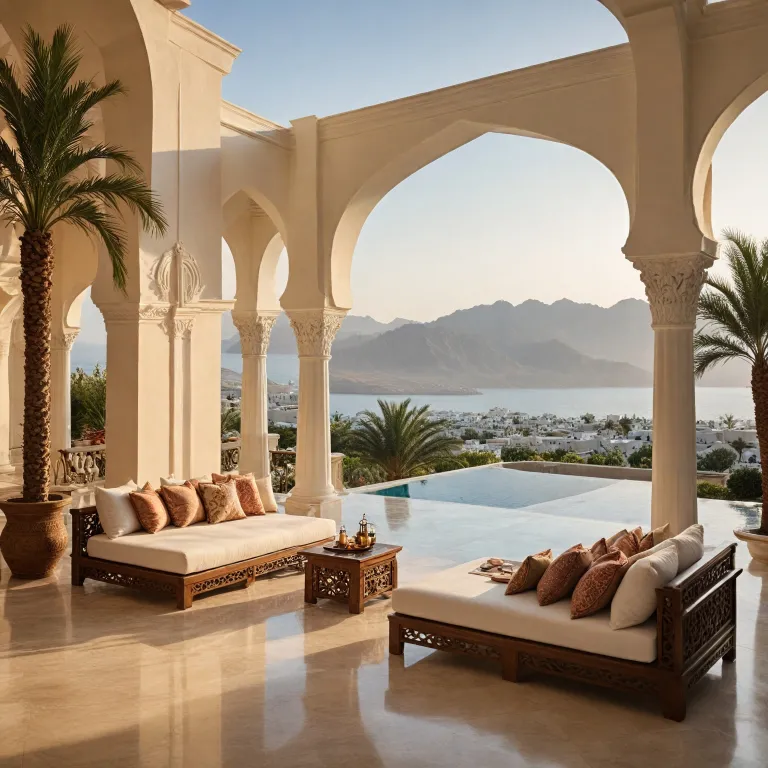
Middle east Muscat as a gateway to refined Arabian journeys
Middle east Muscat stands at the crossroads of heritage and modern hospitality. The capital city of Oman blends coastal elegance with mountain drama, creating a sophisticated backdrop for luxury and premium hotel booking. For travellers planning stays in Muscat Oman, understanding the city’s layout, climate, and cultural rhythm is essential.
Muscat is the capital and largest city of Oman, known for its rich history and economic significance. This coastal city is located along the Gulf Oman, framed by the Hajar Mountains to the west and the Arabian Sea to the east. With a governorate population of about 1.72 million people, Muscat city offers both urban energy and quiet seaside enclaves.
Most international visitors arrive via Muscat International Airport, the primary international airport serving Oman Muscat. The airport is a key hub for Oman Air, with direct flights and connecting flight options across the wider Middle East. Private flights and repatriation flights also use Muscat International facilities, especially for regional links with Saudi Arabia and the Arab Emirates.
For premium travellers, the airport experience matters almost as much as the hotel. Muscat International offers modern lounges, efficient immigration, and easy transfers into Muscat city, whether you stay near the coast or head towards Jebel Akhdar. Many luxury properties arrange private transfers, smoothing the route from terminal to lobby after long flights. This seamless arrival sets the tone for refined stays across the region.
Luxury hotel districts across Muscat’s coast and mountains
Choosing the right district in middle east Muscat shapes every stay. The city stretches along the Gulf Oman, with distinct neighbourhoods that suit different luxury and premium hotel preferences. From historic quarters to contemporary waterfronts, each area of Muscat Oman offers a particular atmosphere.
In the east, near Muttrah and Old Muscat, guests stay close to Al Jalali Fort, the National Museum, and the ceremonial avenues associated with Sultan Qaboos. Here, the city’s centuries of maritime trade and Omani diplomacy feel tangible in every alley and corniche. Premium hotels in this part of the capital city often highlight traditional Omani design, with views towards the Arabian Sea and the rugged Hajar Mountains.
Further along the coast, the prestigious Bustan Palace area has become synonymous with grand luxury in Oman Muscat. Properties here sit between desert ridges and the sea, offering private beaches, landscaped gardens, and refined spa experiences. Many travellers pair a few nights at Bustan Palace or neighbouring resorts with inland excursions towards Jebel Akhdar and the wider Hajar Mountains region.
For business and short stays, districts closer to Muscat International and the main route into the city are often preferred. These areas provide quick access to the airport, corporate offices, and Petroleum Development Oman facilities, while still remaining within easy reach of the National Museum and coastal promenades. Understanding these districts helps travellers align hotel booking choices with the purpose and rhythm of their travel.
Design, heritage, and service standards in premium Muscat hotels
Luxury and premium hotels in middle east Muscat balance international standards with Omani character. Many properties reference the city’s long history as a trading port between Iran, the wider Middle East, and the Indian Ocean. Architectural details often echo fort silhouettes, desert colours, and the curves of traditional dhows sailing the Gulf Oman.
Inside, guests can expect generous room sizes, refined materials, and service that reflects Omani hospitality traditions. Staff are typically well trained in both international etiquette and local customs, helping visitors navigate everything from mosque etiquette to desert excursion planning. In Muscat Oman, high end hotels often integrate elements of the National Museum’s narrative, showcasing Omani crafts, calligraphy, and references to the Hajar Mountains and Jebel Akhdar.
Service standards extend beyond the lobby and suites into curated experiences. Many properties arrange guided visits to Al Jalali Fort, private transfers to Muscat city’s historic souqs, or tailored day trips into nearby wadi landscapes. For travellers arriving on private flights or premium Oman Air cabins, concierge teams coordinate airport meet and assist services at Muscat International, ensuring a smooth transition into the capital city.
Wellness and gastronomy are also central to the premium offering in Oman Muscat. Spas often draw on desert botanicals and Arabian rituals, while restaurants highlight Omani seafood, regional Middle East flavours, and influences from neighbouring Saudi Arabia and the United Arab Emirates. Across the city, the best properties turn each stay into a layered cultural and sensory journey.
Planning routes, flights, and transfers for Muscat stays
Thoughtful planning of routes and flights is crucial for a seamless Muscat itinerary. Most international travellers arrive on scheduled flights into Muscat International, while some regional guests use private flights or charter services. Repatriation flights occasionally operate during special circumstances, reinforcing the airport’s role as a strategic hub in the Middle East.
Oman Air remains the flagship carrier for Oman Muscat, connecting the capital city with major hubs in Saudi Arabia, the Arab Emirates, and beyond. Routes from Riyadh Saudi and key United Arab gateways often provide convenient timings for check in at premium hotels. When comparing each flight option, consider arrival times that align with hotel check in and potential early access to spa or lounge facilities.
Transfers from Muscat International into Muscat city typically take between 20 and 40 minutes, depending on traffic and the chosen district. Many luxury hotels offer private car services, which are particularly appreciated after overnight flights or long connections through the region. Guests heading towards Bustan Palace or coastal resorts enjoy scenic drives along the Gulf Oman, while those bound for Jebel Akhdar or the interior cross desert fringes and the lower Hajar Mountains.
For multi stop journeys across Oman, some travellers combine Muscat stays with inland forts, wadi explorations, and mountain retreats. Planning the route carefully allows time for visits to the National Museum, coastal forts, and traditional markets before heading deeper into the country. This integrated approach turns Muscat Oman from a simple transit city into a refined anchor for wider Arabian travel.
Experiencing Muscat beyond the lobby: culture, nature, and coastline
Staying in middle east Muscat offers far more than refined rooms and polished lobbies. The city’s setting between desert, sea, and mountains invites guests to explore beyond the hotel gates. Many premium travellers structure their days around cultural visits, coastal relaxation, and excursions into Oman’s dramatic interior.
Within Muscat city, highlights include the National Museum, Al Jalali Fort, and the ceremonial avenues associated with Sultan Qaboos. These sites trace Muscat’s evolution from a fortified port to a modern capital city, reflecting centuries of maritime exchange with Iran and other Middle East powers. Curated hotel tours often weave these landmarks into half day itineraries, leaving time for spa treatments or sunset drinks overlooking the Gulf Oman.
Nature focused guests can venture towards nearby wadi landscapes, where seasonal watercourses cut through the Hajar Mountains. Day trips from Muscat Oman frequently combine wadi walks with visits to inland fort towns, illustrating how Omani communities adapted to desert and mountain environments. For a deeper retreat, Jebel Akhdar offers cooler air, terraced villages, and panoramic views across the region.
Along the coast, properties near Bustan Palace and other seaside districts provide direct access to calm bays and private beaches. Here, guests can sail along the Arabian coastline, watch dolphins, or simply appreciate the interplay of desert cliffs and turquoise water. For more inspiration on coastal and mountain stays, travellers can consult this detailed guide to Oman resort hotels for an elegant escape between mountains and sea, which complements Muscat based itineraries.
Future trends in Muscat’s luxury hospitality landscape
The luxury hotel scene in middle east Muscat continues to evolve alongside broader economic shifts. Authorities are pursuing economic diversification and tourism development, with international hotel brands partnering local stakeholders such as Petroleum Development Oman. Growth in tourism with new luxury hotels opening, such as The Malkai in autumn 2026.
Policy changes, including the planned introduction of income tax on the wealthiest residents, may influence investment patterns yet are unlikely to diminish Muscat’s appeal for premium travellers. The city’s strategic location between Saudi Arabia, the United Arab Emirates, and wider Middle East markets ensures continued demand for high end stays. Muscat Oman also benefits from its reputation as a stable, culturally rich capital city with strong air links.
On the ground, travellers can expect more properties that integrate sustainability, local sourcing, and deeper engagement with Omani heritage. New developments near Muscat International and along the Gulf Oman coastline will likely offer enhanced access for guests arriving on international flights and private flights alike. As repatriation flights and special operations have shown in recent years, the airport’s capacity and flexibility underpin Muscat’s role as a regional hub.
For visitors, these trends translate into a wider range of premium options, from coastal icons near Bustan Palace to mountain retreats overlooking the Hajar Mountains and Jebel Akhdar. As Muscat city refines its tourism offer, luxury and premium hotel booking platforms will play a crucial role in presenting transparent information, authentic guest feedback, and clear comparisons. In this evolving landscape, informed choices help every stay in Oman Muscat feel both grounded in place and attuned to global standards.
Key statistics for planning a Muscat luxury stay
- Population of Muscat Governorate is approximately 1.72 million people, supporting a diverse hospitality workforce and service ecosystem.
- Muscat covers about 6,500 km², with luxury hotels spread between coastal districts, desert fringes, and the foothills of the Hajar Mountains.
- Annual rainfall in Muscat averages around 100 mm, with most precipitation falling between November and April, shaping the best seasons for outdoor excursions.
- Oil production in Oman is about 810,000 barrels per day, underpinning broader economic diversification efforts that include high end tourism development.
Essential questions about Muscat and luxury travel
What is the population of Muscat?
As of 2022, the Muscat Governorate has a population of approximately 1.72 million people. This sizeable population supports a mature hospitality sector, with ample staff for luxury and premium hotels across Muscat city and coastal districts. Travellers benefit from experienced teams familiar with international expectations and local Omani customs.
What is the climate like in Muscat?
Muscat features a hot, arid climate with long, very hot summers and warm winters. Annual rainfall is about 100 mm, mostly from November to April. For luxury travellers, the most comfortable period for combining city stays with desert, wadi, and mountain excursions typically runs from late autumn to early spring.
What are some notable landmarks in Muscat?
Notable landmarks include the Sultan Qaboos Grand Mosque, Al Jalali Fort, Muttrah Souq, and the Royal Opera House Muscat. Many premium hotels arrange guided visits to these sites, integrating cultural experiences into otherwise relaxing coastal or mountain based stays. Combining landmark visits with time at the National Museum offers a well rounded introduction to Muscat Oman and its wider region.
Trustful expert sources
- National Centre for Statistics and Information (NCSI), Sultanate of Oman
- Ministry of Heritage and Tourism, Sultanate of Oman
- Permanent Mission of the Sultanate of Oman to the United Nations