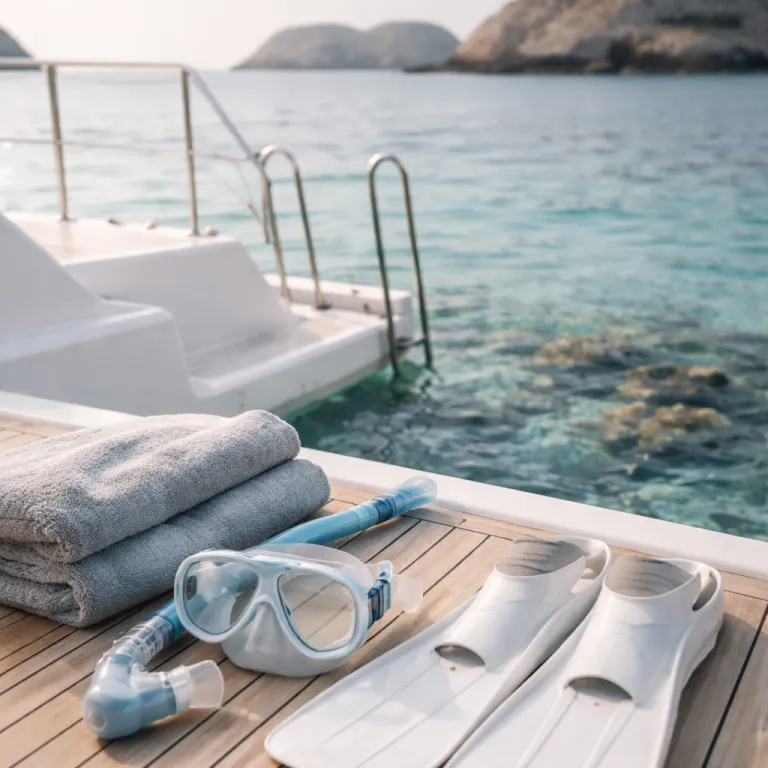
Why the daymaniyat islands snorkeling day shapes your whole Muscat stay
For many premium families, a Daymaniyat Islands snorkeling excursion becomes the quiet highlight of an Oman trip. The islands sit offshore from Muscat as a protected nature reserve, and the way you plan this single day will influence which luxury hotel, room category and even check out time make sense. Think of it less as a quick tour and more as the marine pillar of your itinerary.
The Daymaniyat Islands are a cluster of low limestone islets Oman has ring fenced as a nature reserve under Environment Authority regulations, with daily permits that cap visitor numbers at a few hundred people across all sites. Because capacity is limited and permits are issued to licensed operators rather than walk ups, the most reputable outfits often sell out while hotel concierges are still “checking availability”. As this is a protected area, access rules vary by season and certain zones may close for nesting sea turtles or unsafe sea conditions, which can quietly cancel a long anticipated snorkeling adventure. Families who anchor their Muscat stay around this day, rather than squeezing it between spa appointments, tend to have the best experience and the least stress.
From Muscat’s coastal resorts, the crossing to the islands by boat usually takes around thirty to sixty minutes depending on sea conditions and departure point. Operators departing from Al Mouj Marina often quote forty to fifty minutes in normal weather, while boats leaving from Seeb or marinas closer to the reserve can complete the run in roughly thirty to forty minutes, stretching longer when the wind picks up. That timing matters for children prone to motion sickness, for grandparents who prefer a shaded deck, and for anyone hoping to dive crystal clear waters before the mid day chop builds.
Permits, seasons and the best time of day for families
The Daymaniyat Islands are a designated nature reserve, and every snorkeling tour, private charter and diving trip needs a permit tied to a specific day. Capacity is limited across the islands, so last minute tour experiences arranged through a generic hotel desk often mean crowded boats and less flexible timings. Premium families should ask their hotel or operator to confirm not just a booking, but the actual permit reference, which island cluster they are cleared to visit, and how they comply with Environment Authority Oman rules.
Seasonality is the quiet force that shapes Daymaniyat Islands snorkeling, because visibility and sea state change dramatically across the year. Local dive centers generally agree that the most reliable conditions for clear waters and vibrant coral reefs usually fall between roughly November and April, when plankton blooms are lower and the sun sits softer on the horizon. Within each day, early morning departures almost always deliver the best snorkeling conditions, with crystal clear water, calmer chop and sea turtles cruising the reef before the mid day traffic arrives.
Families staying at Muscat’s coastal grande dames should use the same discipline they apply to room selection when choosing a marine operator. Some resorts bundle group catamarans that leave late and return early, while others quietly partner with more agile outfits that run smaller island tour departures at better times. For a deeper look at how Oman’s family capable luxury resorts actually deliver on these promises, see this field tested perspective on family capable luxury resorts in Oman and use it as a lens when you speak to your concierge.
Choosing the right operator: from hotel desks to serious marine specialists
Not all Daymaniyat Islands snorkeling operators are created equal, and the gap between a basic tour and a refined snorkeling adventure is wide. Some Muscat hotels default to volume based partners, filling large boats with mixed groups whose priorities rarely match those of a premium family. Others work with more focused marine specialists who understand that a calm beginner friendly briefing and patient crew can transform a child’s first mask clad dip into a lifelong memory.
Publicly available operator information shows that some guided snorkeling trips now highlight marine awareness and eco conscious practices, with clear answers to common questions such as “Is snorkeling suitable for beginners? Yes, life jackets are provided, and crew assists guests.” and “What marine life can be seen? Turtles, reef sharks, manta rays, and tropical fish.” which aligns with what discerning travelers should realistically expect. When you speak to any operator, ask about group size, whether a dedicated guide for beginners is on board, and how they manage encounters with sea turtles, reef shark species and, in season, the occasional whale shark.
Some luxury guests prefer to work through a hotel’s in house marine partner, such as a premier marine style outfit that offers semi private or fully private boat charters from Al Mouj Marina. Others book directly with independent operators who focus solely on islands Oman itineraries and can tailor the day around children’s ages, swimming confidence and the family’s tolerance for a longer time at sea. For travelers interested in how Oman balances marine access with broader coastal stewardship, the debate around restoration versus sustainability theatre in places like Ras Amud and Musandam, explored in this piece on restoration over sustainability theatre, offers useful context when you evaluate marketing claims.
What you will actually see: turtles, coral and the reality of whale sharks
Marketing for Daymaniyat Islands snorkeling often leans heavily on dramatic whale shark images, but a grounded view serves families better. The coral reefs here are healthy by regional standards, with vibrant coral gardens, clouds of reef fish and frequent encounters with green turtles and hawksbill sea turtles grazing in the shallows. On a typical day, your snorkeling adventure will include at least two in water sessions over different reef structures, with time to explore sandy patches where rays rest and, occasionally, a shy reef shark glides past.
Whale sharks do pass through Omani waters seasonally, and some years bring more whale sharks than others, yet sightings at the islands remain a bonus rather than a guarantee. Families should frame any mention of whale shark encounters as a possibility, not a promise, and focus instead on the near certainty of turtles, schooling fish and the pleasure of swimming in crystal clear water over living coral. When operators mention whale sharks or even manta rays, ask whether they adjust the island tour route to avoid crowding a single animal, and how they brief guests on respectful distances.
Children often remember the small details more vividly than the headline species. The way sunlight cuts through clear waters, the electric blue of a parrotfish against pale limestone, or the quiet moment when a pair of green turtles surfaces near the boat can define the experience. For parents, the best snorkeling days are usually those where expectations are calibrated, the guiding team takes time to support nervous swimmers, and the family returns to Muscat feeling they have engaged with a living nature reserve rather than chased a checklist of sharks and whales.
Designing a premium family day: boats, budgets and post snorkel rituals
Once you understand the rhythm of Daymaniyat Islands snorkeling, you can design a day that feels both indulgent and calm. The first decision is boat style, because a large shared tour can feel efficient on paper yet chaotic in practice, while a smaller semi private boat offers more control over entry points, snack breaks and shaded seating. For multi generational groups, a private charter often justifies its higher OMR cost by allowing grandparents to stay dry on deck while children rotate through the water with a patient guide.
From Muscat, departures cluster around Al Mouj Marina, Seeb and the marinas attached to major resorts, with crossing times that shape how much of the day you actually spend in the water. A typical half day itinerary runs to four hours dock to dock, including a thirty to sixty minute boat ride each way and two snorkeling stops, so packing light but smart matters. Apply reef safe sunscreen before boarding, bring a towel and plenty of water, and consider motion sickness tablets for anyone who struggles with rolling seas, because the open stretch between the coast and the islands can feel longer on a choppy afternoon.
Back on land, the post snorkel lunch decision is where your hotel choice shows its value. Some Muscat properties fold the excursion into a broader coastal program, pairing a morning at the islands with a late check out, kids club access and a quiet corner of the pool for tired children to decompress. If you are building a wider Oman itinerary that includes desert adventures or mountain stays, this guide to luxury and premium hotel booking in Oman for desert adventures offers a useful framework for sequencing your marine day alongside inland experiences without exhausting the family.
FAQ about daymaniyat islands snorkeling for luxury and premium travelers
Is daymaniyat islands snorkeling suitable for beginners and children ?
Yes, Daymaniyat Islands snorkeling can work well for beginners and confident children when you choose the right operator. Look for tours that provide life jackets, patient crew and a dedicated beginner briefing before anyone enters the water. For very young children, consider a shorter island tour or a hotel based shore session first, then graduate to the boat once they are comfortable with a mask and snorkel.
How long is the boat ride from Muscat to the Daymaniyat Islands ?
The boat ride from Muscat to the Daymaniyat Islands typically takes between thirty and sixty minutes each way. Operators departing from marinas closer to the islands, such as Seeb, may complete the crossing in around thirty to forty minutes in calm conditions. Departures from Al Mouj Marina or resort marinas can take longer when the sea is rough, so factor this time into your planning, especially with children or guests prone to motion sickness.
What marine life can families realistically expect to see ?
Families can almost always expect to see colorful reef fish and healthy coral reefs, with frequent encounters with green turtles and other sea turtles. Reef sharks are sometimes visible, usually small and shy, and rays often rest on sandy patches near the reef. Whale sharks and manta rays are possible during certain seasons, but they should be considered a bonus rather than a guaranteed part of the experience.
When is the best time of year and day to go ?
The best time of year for Daymaniyat Islands snorkeling is during the cooler months when visibility is higher and the sea is calmer. Within each day, early morning departures usually offer the best snorkeling conditions, with clearer water, softer light and fewer boats at the sites. Afternoon tours can still be enjoyable, but wind and surface chop often increase, which can be tiring for younger or less experienced swimmers.
How should luxury travelers choose between group tours and private charters ?
Luxury travelers should weigh group tours against private charters based on family size, budget in OMR and desired flexibility. Group tours are more economical and can work well for couples or small families who are comfortable sharing space and schedule with others. Private boat charters cost more but allow you to tailor departure time, snorkeling stops and onboard service, which can be invaluable for multi generational groups or families seeking a quieter, more controlled experience.
References
Oman Ministry of Heritage and Tourism ; Environment Authority Oman ; Oman Tourism Development Company (Omran).