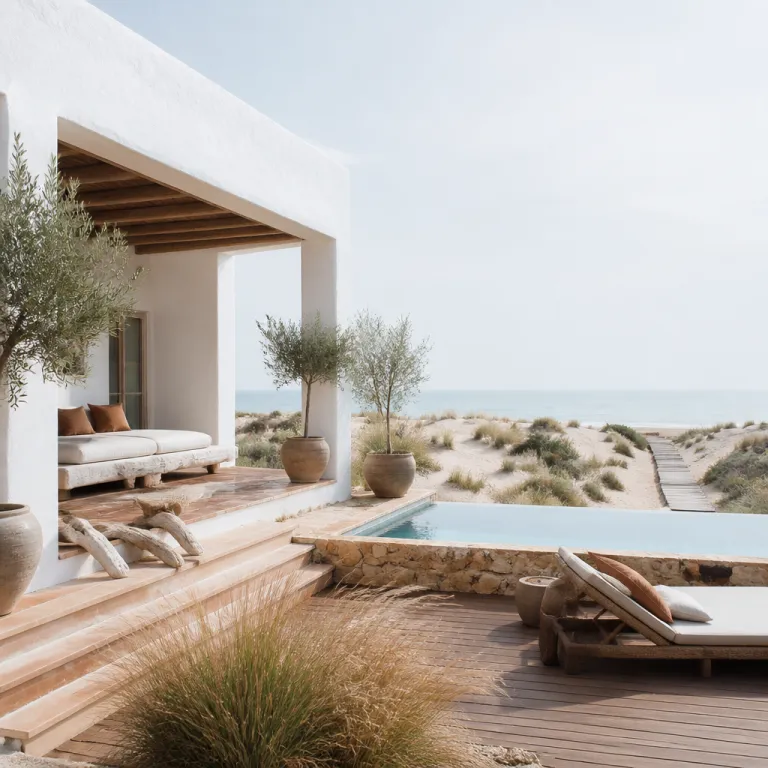
Island of Masirah as Oman’s wild luxury frontier
The island of Masirah lies off Oman’s east coast in the Arabian Sea, offering a raw seascape that feels worlds away from Muscat. This largest island of Oman stretches about 95 km from north to south and opens a window onto a quieter, more elemental side of the country where indulgence means space, silence, and sea air rather than chandeliers. For high-end travellers, Masirah and the surrounding islets combine relaxed island resort comfort, important turtle nesting beaches, and desert horizons in a way that is hard to match elsewhere in Oman.
Masirah Island is renowned for its sea turtle nesting sites, particularly loggerhead turtles. That single factual line, drawn from long-running conservation work on Masirah, explains why many guests choose to stay longer on this remote outpost and time their visit around peak wildlife seasons. When you stay on Masirah itself or at coastal hotels facing the island, you gain front-row access to the Arabian Sea and to some of Oman’s most significant turtle rookeries, while still returning each evening to refined rooms, attentive service, and curated dining.
From a hospitality perspective, the most memorable stays here are shaped by geography and history as much as by design. Masirah lies in the Ash Sharqiyah South Governorate, and the south of the island still carries traces of British military presence from the period when a Royal Air Force base operated here during the Second World War and the Cold War era, which adds a subtle historical layer to any premium stay. Today, discerning guests come not for that legacy but for the sense of remoteness, the long beaches near Ras Hilf and the desert-like interior, and the freedom to adjust their plans in real time as changing light over the sea creates one photographic opportunity after another.
How to reach Masirah Island from Muscat in comfort
Planning how to reach Masirah from Muscat is the first serious decision for any luxury traveller considering this off-shore destination. Most visitors combine a private transfer from Muscat to Shannah Port with a scheduled ferry, turning the crossing over the Arabian Sea shallows into part of the experience rather than a simple transfer. The road from Muscat to Shannah runs along sections of the east coast and south of mainland Oman, passing desert plains and low coastal hills that prepare you for the island landscape ahead.
The classic route is Muscat–Shannah by road, then Shannah Port–Hilf Port by ferry, with Hilf as the main gateway town on Masirah Island. The public ferries from Shannah to Masirah carry vehicles and foot passengers, and comfort-focused travellers often book a private driver, travel in higher-comfort seating, or arrange a quiet corner where they can rest, edit photos, and watch the sea during the roughly 60–90 minute crossing, depending on the operator and sea conditions. As of mid-2024 there are no regular commercial flights from Muscat to Masirah, so travellers should plan around the road-and-ferry combination and confirm current ferry timetables and ticketing procedures before departure, for example via the National Ferries Company or local operators at Shannah Port.
Solo travellers and couples who prefer a more exploratory route sometimes break the journey with a night on the mainland south coast before continuing to Masirah the next day. If you are considering a wider itinerary that includes Dhofar, a detailed guide on why solo travellers should book Dhofar now in Salalah before major new resorts open can help you compare how the south of Oman contrasts with the Masirah experience. Whether you choose to drive directly to Shannah Port or add a stop en route, the most rewarding time to travel is when sea conditions are calm and visibility is clear, because the approach to Hilf Port offers sweeping views that already hint at the beaches and island-style resorts that await.
Where to stay on Masirah Island for premium comfort
Accommodation on Masirah ranges from simple guesthouses in Hilf to polished beach hotels along quieter stretches of coast. For luxury and premium travellers, the priority is usually a stay that balances direct access to the sea with privacy, reliable air conditioning, and curated excursions to the best beaches and turtle nesting areas. Many guests choose the north or east coast of Masirah for their base, because these shores offer long arcs of sand, wide views over the Arabian Sea, and easier access to Ras Hilf and other places to visit on day trips.
When you evaluate any hotel or resort on Masirah or on nearby islands, look beyond room photos and refine your shortlist based on location, beach quality, and guiding standards. Properties on the exposed east coast often have more wind and waves, which is ideal for kite surfing and cooling sea breezes, while those on the west or south coasts may offer calmer water and more sheltered beaches for swimming. Well-regarded options include Masira Island Resort near Hilf, which combines comfortable rooms with a pool and organised excursions and can be booked through major hotel platforms, and Masirah Beach Camp on the east coast, popular with guests who want a more laid-back, nature-focused stay with easy access to kitesurfing spots.
Some travellers still refer to the island as Masira Island or Oman Masirah in older guidebooks, but the core decision remains the same, whatever spelling you encounter. Choose whether you want to stay near Hilf Port for easier logistics and access to services, or whether you prefer a more remote stretch of coast where the most authentic luxury is measured in silence and starlight. For guests who value cultural context, pairing time on Masirah with nights on the mainland at sites linked to the Land of Frankincense in Oman, as explored in an in-depth article on what the frankincense trail reveals beyond hotel brochures, can create a richer narrative arc for the whole journey.
Beaches, sea life, and turtle nesting seasons on Masirah
The beaches of Masirah are the main reason many guests choose this island destination over more urban coastal stays. Long, pale sand beaches run along much of the east and south coasts, with Ras Hilf and nearby coves offering some of the best sunrise walks when the Arabian Sea is calm and the light is soft. On the west side of the island, smaller beaches and rocky points reveal tidal pools and quieter sea conditions that suit families and less confident swimmers.
Masirah is known across the region for its sea turtle nesting sites, particularly loggerhead turtles, and this nesting activity shapes the best time to visit for wildlife-focused travellers. Conservation teams monitor several beaches on the island, and responsible hotel operators coordinate with these experts to schedule guided night walks that respect both the turtles and guests’ need for safety and clear interpretation. One local guide in Hilf, Khalid, likes to remind visitors that “the turtles were here long before the road and the ferry,” a simple line that captures how conservation and tourism now intersect on Masirah.
For many premium guests, the most satisfying days involve a balance of gentle activity and unstructured time by the water. Morning swims, followed by a drive along the coast to less visited beaches, can be combined with an afternoon excursion into the desert-like interior of Masirah, where low hills and gravel plains remind you that this is still Oman, not a tropical island. When planning places to visit, ask your hotel to arrange a guide who understands both the ecology of the Arabian Sea and the cultural history of Masirah, including the period of British presence, so that every beach walk and every sea-facing terrace feels anchored in real stories.
Heritage, British echoes, and desert drives on the island
Beyond its beaches, Masirah holds layers of history that reward curious travellers who want more than a standard resort stay. Archaeological work has identified traces of Neolithic settlements and Bronze Age copper activity on the island, showing that this remote outpost has been part of regional trade networks for millennia. In more recent history, a British air base operated here during global conflicts and the mid-20th century, and while the base itself is no longer active, its legacy still shapes local memory and some of the infrastructure around Hilf.
Guests who take time to visit the interior of Masirah often describe the landscape as a meeting point between island and desert. Low ridges, gravel plains, and occasional dunes create a stark, desert-like core that contrasts sharply with the sea-wrapped coast, and this contrast is one of the island’s most striking visual experiences. A guided 4x4 drive from Hilf Port towards the south coast allows you to reach viewpoints where you can see both the Arabian Sea and the interior desert in a single panorama, offering a succession of compositions for photographers and painters.
When planning places to visit on Masirah, consider a circuit that links Ras Hilf, the east coast beaches, and selected interior tracks, returning to your accommodation by late afternoon. This timing allows you to enjoy golden-hour light over the sea while still having time to edit your photos, relax, and prepare for dinner at your chosen resort or camp. For travellers who have already explored mainland heritage routes, such as the frankincense trail in southern Oman, Masirah offers a complementary narrative that ties together maritime trade, British strategic interests, and contemporary eco-tourism in a single, easily accessible island chapter.
Planning the best time to visit and crafting your itinerary
Choosing the best time to visit Masirah depends on your priorities, because seasons here shape both sea conditions and on-land experiences. Birdwatchers often consider the period from late autumn to early winter as ideal, while kite surfers prefer the stronger winds of the summer monsoon when the east coast becomes a natural playground. If your main goal is a calm sea, comfortable temperatures, and long walks on the beaches, aim for shoulder seasons when the island is quieter and the Arabian Sea is less demanding.
From a logistics perspective, the timing of your trip also depends on how you plan to reach Masirah and how long you intend to stay. Travellers coming from Muscat usually allow at least one full day for the Muscat–Shannah–Hilf route, including the ferry crossing from Shannah Port to Hilf Port, and then build a minimum three-night stay on the island to justify the journey. Those combining Masirah with other places to visit in Oman, such as Salalah or the northern coasts near Ajman, often use premium planning tools on specialist booking sites to refine their itinerary until every transfer, stay, and activity aligns.
For luxury and premium guests, the most rewarding itineraries usually alternate active days with slower ones. One day might focus on turtle nesting walks and sea-based excursions, while the next is reserved for spa time, reading, and gentle beach strolls near your resort. A typical three-night stay could include arrival and sunset at Hilf on day one, a full day of guided beach and interior exploration on day two, and a final day devoted to water sports or relaxed coastal drives before returning to the mainland. By the time you leave Masirah—whether you first heard it called Masira Island, Oman Masirah, or simply “the island”—you will likely feel that this remote corner of Oman has revealed a quieter, more elemental definition of luxury that stays with you long after you return to Muscat or beyond.
Key figures and practical statistics for the island of Masirah
- Masirah Island covers an area of about 649 km², making it the largest island of Oman and giving luxury travellers ample space to spread out across multiple beaches and coastal zones (data referenced from the National Centre for Statistics and Information and cross-checked with widely cited summaries such as Wikipedia, accessed in 2024).
- The island measures roughly 95 km in length and 14 km in width, so driving from the north near Ras Hilf to the far south coast can take several hours, including stops for sea views and desert photo breaks (dimensions referenced from official mapping data and corroborated by Wikipedia, 2024 edition).
- The resident population of Masirah is around 13,900 people, which keeps the island’s atmosphere quiet and ensures that even the best beaches rarely feel crowded compared with mainland Oman resorts (population figures based on recent census data as summarised by Wikipedia and the National Centre for Statistics and Information).
- Regular ferries operate between Shannah Port on the mainland and Hilf Port on Masirah, and the crossing typically takes around 60–90 minutes depending on the vessel and sea conditions, so travellers should factor at least half a day for the full Muscat–Shannah–Hilf journey and verify current schedules with ferry operators before departure.
- Masirah has become a significant site for sea turtle nesting, especially for loggerhead turtles, and conservation programmes here contribute to Oman’s broader marine protection efforts along the Arabian Sea coast, as documented by regional wildlife studies and conservation organisations active in 2024.
FAQ about the island of Masirah for luxury and premium stays
What is Masirah Island best known for among travellers ?
Masirah Island is best known for its extensive sea turtle nesting sites, especially loggerhead turtles, as well as its long, uncrowded beaches along the Arabian Sea. For luxury and premium guests, the combination of wildlife, sea views, and a quieter island atmosphere makes it a compelling alternative to more developed coastal resorts. The island also appeals to kite surfers and nature photographers who value wind, light, and space.
How can I reach Masirah Island from Muscat in a comfortable way ?
The most common route is to travel by road from Muscat to Shannah Port, then take the vehicle ferry to Hilf Port on Masirah. Many premium travellers arrange a private transfer for the Muscat–Shannah leg and then book priority boarding or a more comfortable seating area on the ferry to reach the island with minimal stress. As of 2024 there are no scheduled commercial flights linking Muscat and Masirah, so it is wise to confirm current ferry options, departure times, and ticketing requirements when planning your trip.
What is the best time to visit the island of Masirah for a luxury stay ?
The best time to visit depends on your interests, but many luxury guests prefer cooler months when temperatures are more comfortable for beach walks and desert drives. Birdwatchers often target late autumn to early winter, while kite surfers favour the windy summer monsoon period on the east coast. If you want a balance of calm sea, pleasant air, and fewer crowds, consider shoulder seasons and ask your hotel to advise on current turtle nesting activity.
Are there high end hotels or island resorts on Masirah Island ?
Masirah offers a small but growing selection of premium hotels and resort-style properties, mainly clustered near Hilf and along the more scenic beaches of the east and south coasts. While you will not find the same density of ultra-luxury brands as in Muscat, the best stays focus on spacious rooms, sea views, and curated excursions to beaches and turtle nesting sites. Travellers seeking the highest service levels sometimes pair a stay on Masirah with nights at flagship coastal properties elsewhere in Oman.
Is Masirah Island suitable for families and less adventurous travellers ?
Yes, Masirah can work very well for families and guests who prefer gentle exploration, provided they choose the right location and season. Stays near Hilf Port or on more sheltered beaches offer easier access to services, calmer sea conditions, and shorter drives, which can be reassuring for those new to Oman. Working with a specialist booking platform that understands both Masirah logistics and wider Oman itineraries helps ensure that transfers, activities, and accommodation match each traveller’s comfort level.