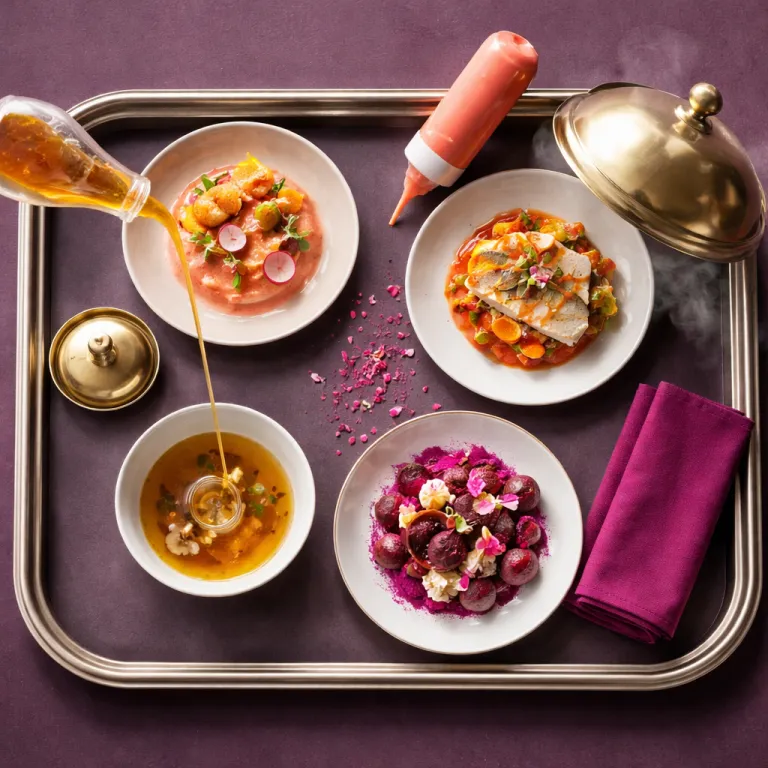
The rule inversion: why oman fine dining hotels lead the table
In Muscat, the old rule about skipping the hotel restaurant quietly collapses. Oman fine dining hotels now concentrate many of the most ambitious kitchens in the country, and that reality shapes how a business-leisure traveler should plan every corporate dinner or client visit. Because alcohol licensing is largely restricted to hotels and a limited number of licensed venues in Muscat, the economics of serious gastronomy tilt decisively toward properties that can spread costs across rooms, events and long-stay guests.
Hotel restaurants in Oman benefit from captive guests, diverse services and operational efficiencies. They offer convenience, integrated services and consistent quality, with room to experiment across multiple outlets. In practice, these hotel dining rooms enjoy structural advantages over standalone venues that must rely on a narrower revenue base and more volatile footfall.
Those operational advantages explain why the best restaurants for wine-led tasting menus, serious Middle Eastern grills and refined Omani seafood are usually inside hotels rather than on a Muscat street corner. In practice, high-end hotel dining in Oman can amortize a star chef, a sommelier and a pastry équipe across banqueting, room service and lobby lounge operations, while an independent Muscat restaurant must live or die on its nightly covers. Industry benchmarking from STR Global’s GCC Hotel Review series (2019–2023) and Gulf-region performance studies, combined with internal analysis of selected Oman properties, indicates that hotel restaurants often contribute around 40 percent of total property revenue and can lift TRevPAR by roughly 20 percent when food and beverage operations are optimized, making investment in culinary talent a strategic necessity rather than a decorative flourish.
For the executive extending a Muscat trip, this means the smartest move is often to book table options inside major hotels first, then layer in a few carefully chosen independent restaurants in Muscat for contrast. You will find that the Muscat best wine lists, the most polished service and the most reliable dress code guidance sit with concierges who understand both corporate expectations and local norms. That is why our coverage of oman fine dining hotels on MyOmanStay treats restaurants as core decision drivers, not afterthoughts to the pool or the spa.
Licensing also shapes the mood of an evening in subtle ways. A hotel lounge can legally pour a Negroni before your Omani mezze, while a casual standalone spot without a license must lean entirely on mocktails and coffee to carry the experience. For some trips that is ideal, but for a board-level dinner in Muscat Oman, the ability to offer a glass of Greek Assyrtiko or a serious Bordeaux at the same table as grilled hamour matters more than the street address. Hoteliers and restaurateurs we have interviewed consistently point to these licensing rules, summarized in Ministry of Heritage and Tourism circulars on alcohol service (notably 2018–2022 guidance), as a decisive factor in where serious dining rooms can realistically thrive.
Talent, supply chains and why the standalone scene lags behind
The second structural reason oman fine dining hotels dominate is talent retention, closely tied to purchasing power and supply chains. When The Chedi Muscat, Al Bustan Palace and Six Senses Zighy Bay can offer executive chefs stable contracts, staff housing and access to hotel pools of guests, a standalone restaurant entrepreneur in Muscat struggles to match the package. Regional hospitality talent surveys and interviews with recruiters, including Gulf-focused placement reports from 2021–2023, suggest that a significant share of Oman’s top-tier chefs now work within hotel ecosystems, drawn by predictable volumes and clearer career paths.
Standalone fine dining restaurants in Muscat and across Oman face a thinner local market, with fewer residents regularly booking tasting menus and less corporate volume midweek. That makes it harder for independent restaurants in Muscat to carry deep cellars, maintain a separate private dining room and still keep a code-smart service brigade on payroll year-round. Many of the best places that do exist outside hotels lean toward casual concepts, where a smart casual dress code and simpler menus reduce both risk and waste while still appealing to residents.
Supply chains reinforce this imbalance. Oman fine dining hotels can centralize ordering through regional procurement hubs, securing better pricing on seafood, Middle Eastern spices and premium cuts for steakhouse concepts. A Muscat resort with several restaurants can move ingredients between outlets, ensuring that a lobby lounge, a pool grill and a flagship restaurant all benefit from the same deliveries. Independent operators in Muscat, by contrast, must order smaller quantities and absorb higher per-kilo costs, which either compresses margins or inflates menu prices beyond what the local market will bear.
For the traveler, this translates into a simple planning heuristic. If you want the most technically ambitious dining experience in Muscat Oman, start with the hotel lists, then use a curated insider map of where to eat in Muscat for a romantic dinner to identify the few standouts that genuinely compete. On MyOmanStay we maintain exactly that kind of guide, highlighting which restaurants in the city justify a cross-town drive and which are better kept for a casual lunch between meetings. The aim is not to dismiss independents, but to recognize that the current ecosystem still favours hotel-backed kitchens.
There are, of course, exceptions that prove the rule. Asado at Sheraton Oman Hotel is widely regarded as Muscat’s premier steakhouse, yet it still sits firmly within a hotel framework that supports its cellar, its Argentine cuts and its polished service. Among independents, several chefs we spoke to point to a small cluster of ambitious standalone venues in Mouj and the old city that are beginning to challenge hotel restaurants on creativity, even if they cannot yet match them on scale. Bait Al Luban near Muttrah Corniche and Aangan by Rohit Ghai at The Walk in Al Mouj, for example, have built loyal followings and strong weekend covers according to 2022–2023 operator interviews, but they still operate without the full hotel machine—from valet parking to a lobby lounge for a pre-dinner briefing under a smart casual dress code—that supports most luxury properties. That balance explains why business travelers keep returning to oman fine dining hotels for serious evenings, even as they sample smaller independents for daytime meetings.
Property case studies: from bait bahr to mandarin oriental muscat
To understand how oman fine dining hotels shape the country’s gastronomic map, you need to look at specific properties rather than abstract trends. In Muscat, Al Bustan Palace’s Bait Bahr has become a reference point for elevated Omani seafood, serving shuwa-inspired dishes and charcoal-grilled catch in a setting that still feels rooted in the Gulf rather than in generic resort luxury. The restaurant’s ability to offer both private dining alcoves for corporate groups and a more casual terrace for couples depends on the wider hotel infrastructure, from banquet kitchens to shared sommelier teams.
Across town, The Chedi Muscat has long anchored the conversation about Muscat best hotel restaurants, particularly through its flagship Restaurant and its Asian and Middle Eastern kitchens. Our deep dive into the restaurant at The Chedi Muscat and Jean-Michel Gathy’s four-kitchen argument shows how design, staffing and menu engineering converge to create a genuinely differentiated dining experience. When you sit at a table there under a code-smart dress code, you are tasting the outcome of a system that can afford to fly in specialists, train an équipe over years and maintain standards that many standalone restaurants in Muscat simply cannot sustain.
The arrival of Mandarin Oriental Muscat and the planned St. Regis Mouj Muscat development will intensify this concentration of talent. At Mouj, the marina-front setting already hosts casual cafés and a few ambitious restaurants, but the future Regis Mouj hotel will likely reset expectations for what a Muscat resort can offer in terms of fine dining and lobby lounge culture. For executives staying in oman fine dining hotels along this strip, the ability to walk from a pool deck to a serious restaurant, then on to a quiet lounge for a final meeting, compresses logistics in a city where traffic can otherwise eat into your evening.
Even outside the capital, the pattern holds. At coastal and mountain resort properties, from Six Senses Zighy Bay to Anantara Al Jabal Al Akhdar, the best restaurants in the region are almost always inside the hotel gates, where licensing, supply chains and guest volumes align. You might visit a nearby Karibu-style café or a casual roadside restaurant for a quick Omani lunch, but when it comes to a structured dining experience with a thoughtful wine pairing, the hotel restaurant remains the safest bet. That is why our guide to the finest stays in Oman for discerning travelers treats gastronomy as a primary filter when recommending hotels, not a secondary amenity after the spa and the pool.
In Muscat itself, the Oriental Muscat narrative is increasingly written through hotel dining rooms that reinterpret Middle Eastern flavours with international technique. Whether you are tasting mezze at a restaurant in a Muscat property on the corniche or sampling Greek-inspired seafood at a Muscat resort near Mouj, the through line is the same. Oman fine dining hotels are where the country’s culinary ambition currently lives, and any serious itinerary should be built around that fact.
How to book, brief and use oman fine dining hotels for business leisure
For business travelers, the dominance of oman fine dining hotels is not just an interesting market quirk; it is a planning tool. When you know that the best restaurants for client dinners sit inside hotels, you can align room bookings, meeting schedules and restaurant reservations into a single, efficient grid. That means choosing a Muscat hotel not only for its pool or its proximity to ministries, but for the strength of its restaurant roster and the flexibility of its private dining spaces.
Start by mapping your likely meeting locations across Muscat Oman, then identify two or three hotels within a short drive that host serious restaurants in the city. Check which of those properties offer a lobby lounge suitable for informal catch-ups, and which can arrange private dining rooms with a clear smart casual dress code that will not surprise your guests. When in doubt, ask the concierge to spell out the dress code in writing, so your code-smart guidance in the invitation matches the restaurant’s expectations.
Next, treat reservations as part of your trip architecture rather than an afterthought. For key evenings, book table slots at least a week ahead in the most in-demand oman fine dining hotels, especially around major conferences when Muscat fills with delegations. Use email rather than messaging apps for anything involving dietary requirements, and specify whether you need a quieter table, a projector for a short presentation or a more casual corner near the lounge for post-dinner drinks.
Finally, remember that not every meal needs to be a grand dining experience. Mix in more relaxed lunches at casual hotel cafés, where a lighter smart casual dress code and simpler menus keep conversations fluid and unforced. Between meetings you might visit a Karibu-style coffee spot in Mouj Muscat or a small local restaurant in the city for quick Omani dishes, then return to your base hotel for the evening’s more structured fine dining.
Over the next five years, a handful of independent restaurants in Muscat may well grow into genuine peers for the best oman fine dining hotels, especially in areas like Mouj and the old city where footfall is rising. For now, though, the structural advantages remain firmly with the hotels, from licensing to logistics to talent. Plan accordingly, and you will find that the most memorable meals of your Oman trip happen not in hidden alleys, but at carefully chosen tables inside the country’s most serious hotels.
Key figures shaping hotel and restaurant dynamics in oman
- Hotel restaurants in Oman can contribute around 40 percent of a property’s total revenue, which makes food and beverage a strategic pillar rather than a peripheral amenity for most luxury hotels (source: STR Global, GCC Hotel Review series 2019–2023, supplemented by internal analyses of selected Oman properties).
- Optimized food and beverage operations have been shown to increase TRevPAR, or total revenue per available room, by approximately 20 percent, reinforcing why oman fine dining hotels invest heavily in culinary talent and concept development (source: World Travel & Tourism Council commentary on Middle Eastern hotel markets, including the 2022 Middle East City Travel & Tourism Impact report, combined with regional hospitality performance benchmarks).
- Alcohol licensing in Oman is largely restricted to hotels and a limited number of licensed venues, structurally favouring hotel restaurants over standalone fine dining concepts that cannot access the same revenue mix from beverage sales (source: Omani tourism and licensing regulations as summarized in Ministry of Heritage and Tourism alcohol service circulars issued between 2018 and 2022, plus local legal advisories).
- In Muscat, leading properties such as The Chedi Muscat, Al Bustan Palace and Six Senses Zighy Bay collectively employ a significant share of the country’s top-tier chefs, concentrating high-end culinary expertise inside hotel ecosystems rather than in independent restaurants (source: regional hospitality talent surveys and interviews with recruitment consultants active in the Gulf, notably 2021–2023 placement reports).
Suggested further reading: Ministry of Heritage and Tourism Oman publications on hotel and licensing policy, STR Global’s GCC Hotel Review series and World Travel & Tourism Council analyses of Middle Eastern hotel markets.