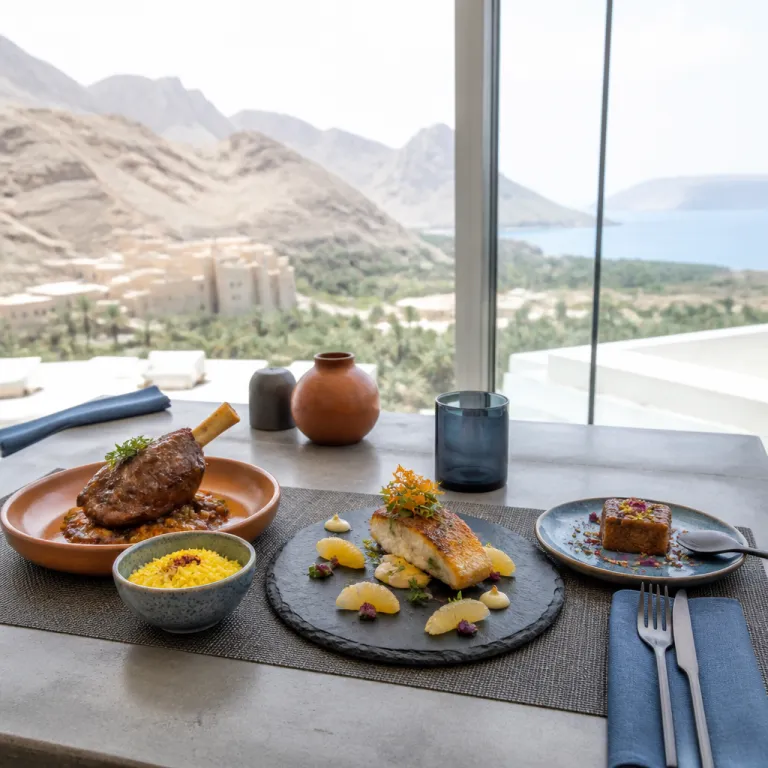
Why an Oman restaurant outside Muscat belongs on your itinerary
Most visitors land in Muscat, eat once at a famous restaurant in the city, then never look beyond the capital for serious food. Yet many of the most memorable meals in Oman happen after a drive from Muscat, when the road bends towards the mountains or the monsoon coast and the menu suddenly reflects the landscape. If you care about omani food, plan at least one day where the destination is not a museum or an opera house, but a table in a hotel restaurant far from Muscat Oman.
Think of each regional hotel dining room as a different chapter in the same story of omani cuisine, from slow cooked mountain dishes to coconut rich coastal plates. In Muscat the best restaurants such as Mumtaz Mahal, Bait Luban, Arcy Kitchen or the dining rooms at Fraser Suites Muscat set a high bar for service and presentation, yet they cannot replicate the taste of fish served metres from the surf in Salalah or lamb cooked overnight in the earth near Nizwa. When you compare restaurants in Muscat with hotel dining rooms in Nizwa or Salalah, you start to understand how geography shapes both the food and the wider dining experience.
For couples planning a road trip, the smartest strategy is to anchor each region with one carefully chosen hotel restaurant, then build your sightseeing around that reservation. A lunch stop at a refined dining room beyond Muscat can sit between a morning at a fort and an evening walk through a souq, turning a simple drive from Muscat into a sequence of great meals and good conversations. This is where a luxury hotel booking platform focused on Oman earns its keep, curating the best restaurants and filtering reviews so you know which properties genuinely welcome non resident diners and which keep their menus strictly for in house guests.
Nizwa: fort views, date palms and hotel kitchens worth a detour
Nizwa sits roughly a two hour drive from Muscat, and it should be the first destination for hotel dining beyond Muscat that you plot into your map. The city is famous for its fort and souq, but the real pleasure for food focused couples lies in pairing those sights with a long lunch or dinner in one of the hotel restaurants that quietly serve some of the best omani cuisine in the interior. When you walk the market in the cool of the day, tasting dates and watching omani women negotiate for spices, you are effectively shopping alongside the chefs who design each menu in the nearby hotels.
Start with Bahjat Al Sham inside Aldiyar Hotel, where the restaurant leans into Turkish, Egyptian and Lebanese grilled dishes while still nodding to omani food traditions. Mixed grills arrive still sizzling, with smoky lamb kebabs, chicken tawouk and charred vegetables, while mezze plates of hummus and mutabbal are generous enough to share. A few minutes away, Falaj Daris Restaurant at Falaj Daris Hotel works with seasonal ingredients, offering a good balance between international favourites and traditional omani plates such as shuwa style lamb and qabuli rice that feel both familiar and new. Swiss Kitchen at Swiss Belhotel Nizwa stretches from breakfast to late evening, and its broad menu of local and international dishes, from fresh khubz bread with dips to grilled kingfish, makes it a practical choice when you want reliable service after a long day exploring the city and its surrounding wadis.
These hotel restaurants in Nizwa are ideal for travellers who like structure, because you can time your visit around fort opening hours and the peak bustle of the souq. For deeper context on how Nizwa’s markets feed the country’s kitchens, read this guide to Oman’s living souqs in Mutrah, Nizwa and Sinaw before you go. When you sit down in a Nizwa hotel dining room and see dates, lamb and slow cooked rice dishes on the menu, you will recognise ingredients that were stacked in the market just hours earlier, and that recognition makes the dining experience feel far more intimate.
High altitude appetite: Jebel Akhdar’s cliff edge hotel dining
From Nizwa the road climbs towards Jebel Akhdar, and the shift in altitude changes both your appetite and the omani dishes that appear on the plate. At more than 2 000 metres above sea level, the air is cooler, the terraces are planted with pomegranates and roses, and the hotel kitchens respond with menus that feel lighter yet deeply rooted in traditional omani agriculture. This is where a mountain hotel restaurant beyond Muscat becomes an experience in itself, not just a place to refuel between hikes.
Anantara Al Jabal Al Akhdar has built an entire altitude dining programme around these conditions, using mountain herbs, local honey and produce from nearby villages to shape its cuisine. Signature dishes might include grilled lamb cutlets brushed with wild thyme, or pomegranate glazed chicken served with saffron rice and roasted vegetables. Couples can eat on canyon edge terraces where omani coffee is served with frankincense and dates, turning a simple cup into a quiet ceremony that says more about service and hospitality than any scripted welcome. When you compare Alila and Anantara using a specialist guide such as this Jebel Akhdar cliff edge retreat comparison, pay close attention to how each property talks about food, because that will define your dining experience as much as the view.
Up here you will not find street food stalls or a casual sheesha lounge on every corner, but you will find carefully slow cooked lamb, refined takes on traditional omani stews and desserts that highlight local fruit. Some properties offer restaurant sheesha service on sheltered terraces, which can be a romantic way to end the day after a long hike or a drive from Muscat. For couples who usually focus on restaurants in Muscat, a night on the mountain proves that the best restaurants in Oman are not always in the capital, and that a remote cliff top dining room can feel both secluded and luxuriously attentive.
Salalah and the Dhofar coast: monsoon breezes and beachfront hotel tables
Fly south from Muscat Oman to Salalah, or take the long coastal drive if you have time, and you enter a different culinary climate entirely. Here the Indian Ocean and the khareef monsoon shape both the ingredients and the mood, making every coastal hotel restaurant outside Muscat feel more tropical, more relaxed and more influenced by South Asian trade routes. Coconut, banana, fresh fish and frankincense appear across menus, and the best restaurants in the region know how to balance these flavours without overwhelming the palate.
At Hilton Salalah Resort, Al Maha offers an international buffet with views of the pool and gardens, while Palm Grove Beach Kitchen serves à la carte dishes almost at the water’s edge. Expect grilled prawns with lime and coriander, whole fish cooked over charcoal and simple plates of rice scented with cardamom. Al Baleed Resort by Anantara adds Al Mina, a Mediterranean restaurant by the beach where seafood is served with a light coastal touch that still respects omani cuisine, pairing local catch with olive oil, herbs and fresh salads. Nearby, Fanar Hotel and Residences layers several dining venues, including relaxed beach buffets that work well for couples who want good food without leaving the property after a long day exploring the city, the souq and the coastline.
Rixos Salalah is set to bring four more restaurants to the Dhofar coast, signalling how seriously luxury brands now take this region as a dining destination. This shift matters for anyone searching for hotel dining beyond Muscat, because it means you can now plan a multi night stay in Salalah where each evening offers a different dining experience without compromising on service or setting. If you are combining Salalah with a wildlife focused stop on the eastern coast, consider weaving in a night near Ras Al Jinz using this guide to turtle nesting on Oman’s wildlife coast, then reward yourself with a long beachfront dinner when you reach Dhofar.
How Muscat’s restaurant scene sets the benchmark for the rest of Oman
Even when your goal is to eat at an Oman restaurant outside Muscat, you cannot ignore the capital, because its restaurants define what many travellers consider the standard for omani dining. In Muscat the best restaurants range from long established names such as Mumtaz Mahal, known for refined Indian cuisine with a view, to Bait Luban, which focuses on traditional omani food in a heritage setting near the corniche. Newer addresses like Arcy Kitchen and the dining venues at Fraser Suites Muscat add contemporary energy, showing how omani cuisine can sit comfortably alongside international dishes in the same menu.
These restaurants in Muscat also shape expectations around service, from the way omani coffee is poured at the start of a meal to how quickly dishes are served between courses. Many couples will enjoy a sheesha lounge on a Muscat rooftop or a discreet restaurant sheesha corner after dinner, then later look for similar experiences in Nizwa or Salalah hotel bars. When you read any review of restaurants in Muscat, pay attention to how the writer talks about the balance between local and international food, because that same balance will appear again when you sit down in a hotel restaurant outside Muscat.
For some travellers, a night at the Royal Opera House Muscat followed by dinner at a nearby restaurant remains one of the top things to do in the city. Yet once you have experienced that polished urban dining experience, it becomes easier to appreciate the quieter pleasures of an Oman restaurant outside Muscat, where the soundtrack might be waves or wind in the date palms instead of traffic. The contrast between city restaurants and remote hotel dining rooms is exactly what makes an extended Oman itinerary so rewarding for couples who care about food.
Planning a food focused road trip: practical tips for hotel dining beyond Muscat
Building a route around at least one notable hotel restaurant in each region turns a simple holiday into a curated dining journey. Start by mapping Muscat, Nizwa, Jebel Akhdar and Salalah, then check which hotel restaurants in each city accept non resident guests and which require advance reservations. Many properties in Nizwa and Salalah welcome outside diners, but they may have limited seating during weekends or peak travel periods, so a quick call or email is always a good idea.
Use hotel websites and verified online reviews to understand each menu, paying attention to how often omani dishes appear alongside international options. Current listings for Nizwa and Salalah highlight a focused group of notable hotel restaurants, a number that will grow as new properties open and culinary tourism expands. Practical advice from local tourism boards is clear on three points : “Check restaurant hours before visiting. Make reservations in advance. Explore local specialties.”
When planning your drive from Muscat, think about timing so that you arrive hungry but not rushed, ideally in the early evening when temperatures soften and service is unhurried. A lunch stop at a Nizwa hotel restaurant can follow a morning in the souq, while dinner in Salalah might come after a coastal walk or a visit to Al Haffa Souk. By treating each regional hotel dining room as both a meal and a window into regional omani culture, you turn necessary refuelling into one of the trip’s quiet highlights.
Reading the coffee cup: what kahwa and frankincense say about a hotel
In Oman the way coffee is served tells you almost everything about a property’s hospitality DNA. Kahwa, the lightly spiced omani coffee poured from a dallah into small cups, is more than a welcome drink ; it is a ritual that signals respect, generosity and a certain unhurried approach to service. When you sit down in an Oman restaurant outside Muscat and the coffee arrives before you even open the menu, you know you are in a place that understands omani traditions at a deep level.
Many of the best restaurants in Nizwa, Jebel Akhdar and Salalah now pair kahwa with dates and sometimes a hint of frankincense, echoing ceremonies you might experience in a Bedouin camp or an old city home. Some hotel lounges extend this into a full pre dinner ritual, with staff explaining the spices and the meaning behind each pour, turning a simple drink into a short cultural lesson. In a few properties, especially those with outdoor terraces or a dedicated sheesha lounge, you might move from coffee to a discreet restaurant sheesha session, which can be a relaxed way to watch the light fade over mountains or sea.
For couples, paying attention to these small gestures can be as revealing as any formal review of the food. A hotel that treats kahwa as an afterthought is unlikely to deliver a truly memorable dining experience, no matter how polished the international cuisine on the plate. By contrast, when a regional hotel restaurant beyond Muscat takes omani coffee seriously, you can usually trust that the slow cooked dishes, the seafood and the desserts have been given the same quiet care.
Key figures on hotel restaurants outside Muscat
- Nizwa and Salalah together currently host a compact cluster of notable hotel restaurants, according to compiled data from hotel websites, giving travellers a solid base of curated options beyond Muscat.
- Core venues in Nizwa, including Bahjat Al Sham, Falaj Daris Restaurant and Swiss Kitchen, typically open from breakfast through dinner, with service windows designed to suit varied itineraries.
- In Salalah, Al Mina at Al Baleed Resort by Anantara usually serves from midday to late evening, aligning lunch and dinner with beachfront activities and coastal excursions.
- Growing interest in local cuisines and preference for hotel dining experiences are identified trends by regional tourism partners, indicating that culinary tourism is becoming a key driver for travel decisions in Oman.
FAQ: hotel dining beyond Muscat
What are the main hotel dining options in Nizwa ?
Nizwa offers several hotel restaurants, including Bahjat Al Sham at Aldiyar Hotel, Falaj Daris Restaurant at Falaj Daris Hotel and Swiss Kitchen at Swiss Belhotel Nizwa. Together they cover Middle Eastern grills, omani dishes and international cuisine, making the city a strong base for exploring hotel dining beyond Muscat. All three are suitable for non resident diners, though reservations are sensible during busy periods.
Are there beachfront hotel restaurants in Salalah ?
Yes, Salalah has multiple beachfront hotel restaurants that work well for couples. At Hilton Salalah Resort, Palm Grove Beach Kitchen and Al Maha both offer sea facing dining, while Al Mina at Al Baleed Resort by Anantara serves Mediterranean inspired dishes beside the beach. Fanar Hotel and Residences adds further coastal options, including relaxed buffets close to the sand.
Do hotel restaurants outside Muscat require reservations ?
Many hotel restaurants in Nizwa and Salalah accept walk ins, but reservations are strongly recommended, especially for dinner and during weekends or local holidays. The guidance from regional partners is explicit : “Do these restaurants require reservations? It’s recommended to make reservations, especially during peak times.” Booking ahead also allows you to request terrace seating or special dietary arrangements.
Can non guests eat at luxury hotel restaurants in Oman ?
In most cases non resident guests are welcome at luxury hotel restaurants across Oman, including properties in Nizwa, Jebel Akhdar and Salalah. Policies vary, so it is wise to call or email in advance, particularly if you are planning a special occasion meal. Some resorts may restrict access during private events or peak occupancy, but many see outside diners as an important part of their culinary reputation.
How should I combine sightseeing with hotel dining outside Muscat ?
A practical approach is to anchor each region with one key meal, then plan visits around it. For example, explore Nizwa Fort and the souq in the morning, then book lunch at a nearby hotel restaurant, or schedule a coastal walk in Salalah before a sunset dinner by the beach. This rhythm keeps driving times manageable and ensures that each regional hotel dining experience feels like a highlight rather than an afterthought.