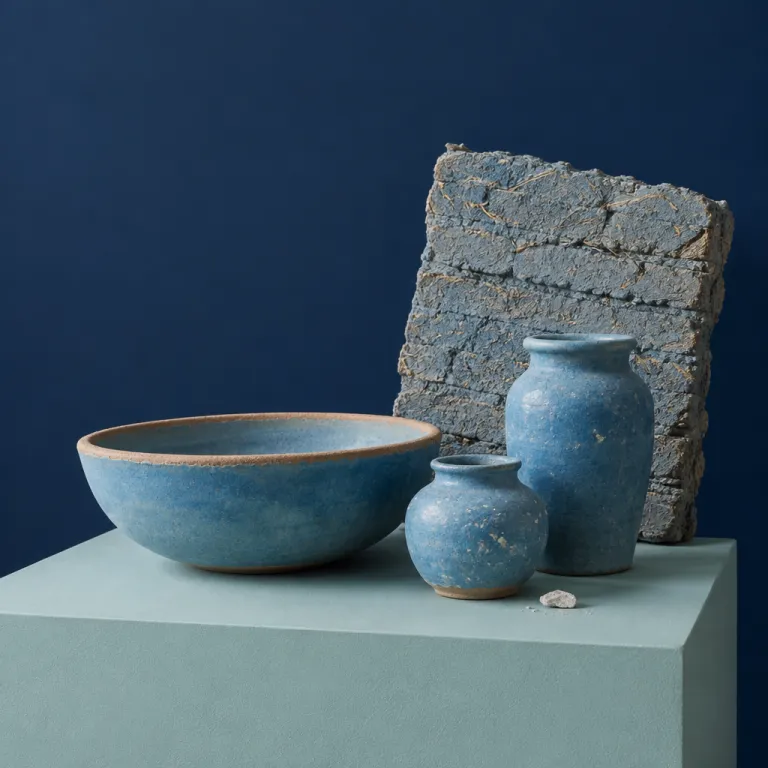
Why bahla pottery oman belongs on a luxury itinerary
Bahla sits quietly between Nizwa and Jabrin, yet it shapes many serious itineraries built around heritage and craft. For travelers using a luxury and premium hotel booking website in Oman, bahla pottery oman becomes the cultural counterweight to Muscat’s coastal resorts and Jebel Akhdar’s cliffside retreats, adding depth to an inland leg. A stay in refined rooms near Nizwa or in a desert-facing lodge feels richer when your Oman visit includes time with clay, mud brick and the old walls of this walled oasis.
The town’s reputation grew from its strategic position and its water, not from any single famous monument. Date gardens still drink from falaj channels, and the same unglazed water jars that once cooled the harvest now anchor the story of pottery making in Bahla, turning simple pots into a living archive of Omani desert life. When you explore the oasis slowly, bahla famous becomes less about a single fort and more about a layered heritage site where fortress, gardens and workshops form one continuous narrative.
For luxury travelers, the appeal lies in contrast and texture rather than spectacle. You might wake in a polished suite in Muscat, booked through a curated guide such as refined hotels in Muscat, then drive inland to walk along mud-brick lanes where unglazed water jars still line shaded alleys. The cost of this detour is measured less in rials and more in time, yet visitors who make space for bahla pottery oman often describe it as the moment their trip shifts from sightseeing to understanding. With Muscat about 190 kilometres away and Nizwa roughly 40 kilometres east, the journey folds easily into a premium itinerary without feeling rushed.
The clay, the fortress and the walled oasis
The story of bahla pottery oman begins with geology and water rather than with tourism. Clay-rich soils around the oasis, combined with reliable falaj irrigation, created perfect conditions for both agriculture and pottery making, while the surrounding hills offered natural defence that later justified building a vast fortress. Bahla Fort, inscribed as a UNESCO World Heritage Site in 1987, rises above the palm groves like a sand-coloured ship, its mud-brick walls echoing the same material that potters shape into everyday pots and elegant Omani water jars.
Most visitors arrive to tick off Bahla Fort, then leave before the town’s slower rhythms reveal themselves. Yet the fort is only one element of a wider heritage site that includes the old town walls, the falaj channels and the small lanes where pottery bahla workshops once clustered, all of which speak to a community that engineered shade, security and water management with remarkable sophistication. Walking these walls at a measured pace, you sense how fortress and oasis worked together, protecting both people and the fragile mud structures that defined oman bahla long before hotel rooms and air-conditioned cars.
For families or independent travelers already planning to visit Nizwa Souq, pairing that market with Bahla creates a coherent inland day focused on living tradition rather than museum cases. You might spend the morning among silver, dates and ceramics in the historic Nizwa souq, then follow a short 30–40 minute drive to Bahla where unglazed water jars and mud-brick houses show how those market objects once sat within daily life. For more context on how markets shape culture, the piece on Oman’s living souq traditions offers a useful companion read before your Oman visit.
Inside bahla’s pottery tradition and mudbrick craft
In bahla pottery oman, clay is not a souvenir; it is infrastructure, memory and quiet innovation. Traditional pottery making here grew from practical needs, producing sturdy pots for grain, storage jars for unglazed water cooling and simple vessels for cooking, all fired in kilns that once smoked above the oasis like low clouds. The same mud that shaped these pots also formed the mud brick used in Bahla Fort, the town’s fortress-like houses and the long defensive walls that still trace the edge of the oasis.
When you handle a piece of pottery from Bahla, you are holding a fragment of the same material that keeps the fort cool and the rooms inside shaded, a direct link between domestic craft and monumental architecture. Unglazed water jars, in particular, reveal how Omani communities used evaporation to chill drinking water long before electricity, their porous surfaces sweating in the heat while the liquid inside stayed surprisingly fresh. That interplay between small object and large structure makes bahla famous among architects and anthropologists, who read mud brick and clay as texts that explain how people adapted to desert life.
For travelers interested in material culture, pairing Bahla with Nizwa and Jabrin creates a dense but coherent circuit of forts, souqs and workshops. You might start with the polished galleries of Nizwa Fort, move through the commercial energy of Nizwa souq, then end among the quieter kilns and walls of oman bahla, where pottery bahla still carries the imprint of hands rather than machines. As one local potter explained while trimming a cooling jar, “The clay remembers our fingers and the heat; that is why people come here, to feel something made slowly.” To deepen your understanding of how objects express identity, the article on Oman’s silver souqs and the khanjar tradition offers a parallel narrative in metal rather than mud.
Designing a slow half day around bahla pottery oman
Most luxury itineraries treat Bahla as a brief photo stop between Nizwa and Jabrin, yet bahla pottery oman rewards a slower, more deliberate rhythm. A thoughtful half day might begin with an early visit to Bahla Fort, when the light is soft and the fortress walls still cool enough to touch comfortably. From the ramparts you see how the mud-brick architecture, the palm gardens and the old town walls form a single defensive and agricultural system, with falaj water channels threading quietly through the green.
After the fort, step away from the main parking area and follow smaller lanes that lead toward former pottery quarters, where the scent of clay sometimes lingers in shaded courtyards. Here, even if workshops are quiet, you can read the story of pottery making in the layout of kilns, storage spaces for clay and the arrangement of rooms around central yards designed for drying pots in filtered sunlight. The cost of this time is minimal in money yet significant in attention, because you are choosing to explore texture and process rather than only the famous postcard angles. Public parking sits just outside the fort entrance, and from there most of the old town is comfortably explored on foot.
Independent travelers often find that this unhurried approach suits them better than a checklist tour, especially when combined with a stay in a characterful property near Nizwa or Jabal Akhdar. You might return to your hotel in the late afternoon, rinse off the dust of mud brick and unglazed water jars, then watch the mountains turn rose from a terrace while reflecting on how fortress walls and simple pots shaped oman bahla. For those using a premium hotel booking website in Oman, planning one such slow day around Bahla, Nizwa and Jabrin can balance spa time and poolside rooms with a deeper engagement with Omani heritage.
Where to stay and how to pair bahla with nizwa
Bahla itself offers limited accommodation, so most visitors base themselves in or around Nizwa, using the town as a hub for bahla pottery oman and nearby forts. Luxury and premium hotel booking platforms for Oman typically highlight mountain resorts on Jabal Akhdar, desert camps in Wahiba Sands and polished properties in Nizwa, all within comfortable driving distance of Bahla Fort and the wider heritage site. This arrangement suits travelers who prefer generous rooms, reliable service and curated dining, while still allowing easy access to the mud-brick walls and pottery quarters of oman bahla.
A classic inland circuit might run Muscat to Nizwa, then Nizwa to Bahla and Jabrin, before looping back toward the coast or into the mountains. From a Nizwa base, you can visit Nizwa souq early, when traders arrange dates, spices and ceramics, then drive the short distance to Bahla for a late morning among fortress walls and pottery making spaces, finishing at Jabrin Castle for painted ceilings and carved doors. This sequence layers different expressions of Omani culture, from commercial energy to defensive architecture and finally to the intimate scale of pots, unglazed water jars and domestic rooms.
When comparing properties on a hotel booking website, consider not only cost and star rating but also how each location supports this cultural rhythm. A mountain resort may offer cooler air and dramatic views, while a Nizwa hotel places you closer to the souq and shortens the drive to Bahla, making a slow half day among mud brick and pottery more relaxed. Whatever you choose, anchoring your Oman visit with at least one day focused on bahla famous heritage ensures that the memory of your trip includes the feel of clay, the shade of fortress walls and the quiet logic of a walled oasis shaped by water.
FAQ
Is Bahla worth visiting if I have already seen Nizwa Fort ?
Yes, Bahla offers a different perspective from Nizwa Fort, because bahla pottery oman focuses on mud-brick architecture, a vast walled oasis and a long-standing pottery tradition. Where Nizwa emphasizes restored stone and museum-style displays, Bahla Fort and the surrounding walls show how clay, water and defensive design worked together in everyday Omani life. Visiting both gives a fuller picture of how forts, souqs and workshops shaped the interior of Oman.
How much time should I plan for Bahla and its pottery heritage ?
A relaxed half day is ideal for bahla pottery oman, allowing time for Bahla Fort, a walk along sections of the old walls and an unhurried look at former pottery quarters. Many visitors combine this with Nizwa in the same day, starting at Nizwa souq and then driving to Bahla late morning. If you are particularly interested in pottery making or mud-brick construction, consider extending to a full day including nearby Jabrin Castle, and check locally for current fort opening hours, which typically follow daytime schedules with a midday closure on some days.
Can I buy authentic pottery in Bahla or Nizwa ?
Yes, both Bahla and Nizwa offer opportunities to buy pottery, though availability and styles vary. In Nizwa souq you will find a wide range of pots, from decorative pieces to practical unglazed water jars inspired by bahla pottery oman, while in and around Bahla some workshops and small outlets sell items closer to traditional forms. Always ask about firing methods and origin if authenticity matters to you, and be prepared for simple packaging when transporting pieces back to your hotel rooms.
Where should I stay to visit Bahla comfortably ?
Most travelers base themselves in Nizwa or on nearby Jabal Akhdar, using these hubs to reach bahla pottery oman by car in under an hour. Nizwa offers easier access to the souq and shorter drives to Bahla Fort, while mountain resorts provide cooler temperatures and more resort-style facilities. Using a luxury and premium hotel booking website in Oman helps you compare cost, location and amenities so you can choose the base that best supports your planned visit.
Is Bahla Fort really a UNESCO World Heritage site ?
Yes, Bahla Fort and its surrounding oasis form part of a UNESCO heritage listing that recognizes the scale and sophistication of this mud-brick fortress and walled settlement. The designation highlights how bahla pottery oman, defensive walls and falaj irrigation together represent a significant example of Omani oasis culture. When you walk through the fort’s rooms and along its high walls, you are moving through a protected heritage site that continues to inform conservation work across Oman.