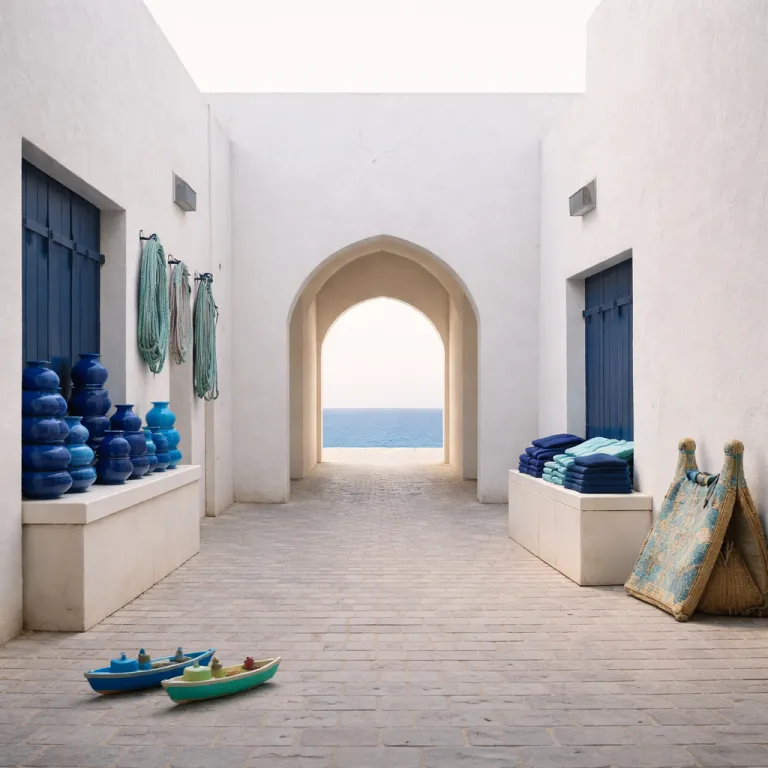
Why oman souq family travel belongs at the heart of your itinerary
Oman rewards the family that leans into its markets rather than skims past them. For many visitors with children, Mutrah Souq in Muscat is the first stop, and that single day shapes their idea of Oman’s souqs for the rest of the trip. Yet the real highlights Oman offers for curious kids sit in the working souqs of Nizwa and Sinaw, where trade still sets the rhythm of the day and tourism remains secondary.
Mutrah Souq is the most accessible market in Oman, a covered maze along the corniche where cruise passengers and families on a short holiday can browse incense burners and textiles in relative comfort. It is family friendly in the sense that there are clear paths, plenty of light, and stallholders used to kids, but it is also the most tourist oriented of the three main souqs. Many parents will leave thinking they have ticked the souq box, then spend time on the beach or in the desert without realising how different the other markets feel once you move beyond Muscat.
For a premium Oman family itinerary, the idea is not to choose one souq but to stage them across several days, using the right luxury hotels as calm base camps. Start with Mutrah from a Muscat property such as The Chedi Muscat or Al Bustan Palace, then fold in Nizwa Souq from a mountain retreat near the Hajar Mountains, and finally Sinaw Souq as a day trip that threads together desert sands and traditional Omani villages. This sequence turns an Oman souq family journey into a narrative, not a single crowded morning, and it can be adapted with simpler guesthouses or mid range city hotels if you are travelling on a tighter budget.
Mutrah Souq with kids: framing expectations from a Muscat base
Mutrah Souq has traded for around two centuries, and its lanes still carry the scent of frankincense and oud that defines Muscat’s historic harbour. For families, this is usually the first real contact with traditional Omani commerce, and it sets the tone for how kids will react to the more intense markets later in the trip. Staying at a seafront luxury hotel means you can walk the corniche in the cooler time of day, then retreat quickly when younger children tire or the heat builds.
From a Muscat base, you can shape Mutrah into a gentle half day that balances culture and comfort for every family member. The souq typically opens from mid morning until late evening, with many stalls closing for a few hours in the early afternoon, so start early, ideally soon after doors lift, when the air is cooler and the crowds thinner, then promise the kids an hour at the hotel pool or nearby beach afterwards. This rhythm keeps Oman market visits feeling like a privilege rather than a parental endurance test, especially on hotter days when the best time for walking is limited and stroller pushing becomes harder.
Use Mutrah to introduce the basics before you reach the more intense Nizwa and Sinaw souqs deeper in Oman. Show older kids how frankincense is sold in different grades, explain that Hojari from the Dhofar region in southern Oman is widely regarded as the finest, and let them compare prices between stalls as a simple bargaining game. Younger children will respond more to colour and sound, so keep the focus on textiles, lamps, and the call of traders rather than on long explanations about the desert caravans that once linked these alleys to the Hajar Mountains, and keep visits to 60–90 minutes if you are travelling with a baby or toddler.
Nizwa Souq and the Friday goat market: theatre, silver and early starts
Nizwa Souq sits in the shadow of Nizwa Fort, and its age as a trading hub stretches back several centuries. On Fridays, the goat market begins early in the morning and runs for a couple of hours, and this is where Oman souq family travel shifts from curated shopping to raw, working theatre. Families who make the effort to arrive on time see livestock paraded in circles, bids shouted in Arabic, and real money changing hands, not a staged heritage show or performance for tour groups.
For kids, the auction is a vivid lesson in how traditional Omani communities still value animals, land and water in a country framed by mountains and desert sands. Plan to spend time at the goat market for an hour or two, then move into the main souq by mid morning, when silver shops and spice stalls are fully open and easier to browse with children. This is the best time to introduce older children to the idea of hallmarks on Omani silver, the difference between a genuine khanjar dagger and a tourist replica, and the etiquette of asking before taking photos, especially when people are working.
Many premium families pair Nizwa with a stay at Alila Jabal Akhdar or another luxury retreat in the Hajar Mountains, turning the market into one of the key highlights Oman offers beyond Muscat. The drive from Muscat to Nizwa takes roughly 1.5–2 hours on good highways, and the climb up towards Jebel Shams or Jabal Akhdar after the souq gives kids a sense of how trade routes once rose from oasis towns into the highlands. Back at the hotel, staff used to Oman family travellers can help arrange guided visits or a private driver for another day, or a quieter museum stop if the sensory load of the market has been intense.
Sinaw Souq on Thursday: livestock, frankincense grading and real trade
Sinaw Souq, with roots going back several centuries, runs at full strength on Thursdays and feels markedly different from Muscat’s Mutrah or even Nizwa. This is where Oman souq family travel becomes fully immersive, because Sinaw remains a working market for Bedouin families from the surrounding desert and for villagers from the interior. Livestock, silver, textiles and frankincense are traded in a way that shows kids how commerce underpins daily life in this part of the Middle East, with fewer souvenir stalls and more practical goods.
Plan Sinaw as a dedicated day trip from Muscat or as a stop when moving between the coast, the Wahiba Sands and the mountains. The drive from Muscat takes roughly two and a half hours each way on paved roads, and families often combine it with a later journey towards the desert camps in the Sharqiya Sands or towards Wadi Bani Khalid, giving kids a clear link between the animals they saw in the market and the landscapes where those herds actually live. The road network is good, but the heat can be fierce, so the best time to arrive is early, with plenty of water, sun protection and cash for small purchases packed alongside your camera.
Sinaw is also the best classroom for frankincense, which is sold in visible grades that children can compare with their own eyes. You will often see a four tier system — Hojari, Najdi, Shaabi and mixed or lower grade resin — laid out in bowls, and stallholders are usually happy to explain which pieces burn cleanest or carry the strongest scent. This reflects what many guides highlight when they describe popular items in Omani souqs: frankincense, silverware, textiles and traditional handicrafts that still play a role in everyday life.
Designing an oman perfect family route: from souqs to sands, mountains and turtles
A strong Oman souq family travel plan weaves markets into a broader route that includes the desert, the coast and the high Hajar Mountains. Many premium families start with several days in Muscat, using a luxury hotel near the Grand Mosque and the Royal Opera House as a base for Mutrah Souq, a museum visit and some relaxed beach time. From there, the itinerary can arc inland to Nizwa and Jebel Shams, then out towards the Wahiba Sands and finally down the coast towards Ras Jinz for turtle watching.
In Muscat, the Sultan Qaboos Grand Mosque offers a calm counterpoint to the souq, and a guided tour helps older kids understand how faith shapes traditional Omani life. The Royal Opera House Muscat, with its marble foyers and carefully curated programme, shows another side of the capital’s cultural ambition, and both venues sit comfortably within a luxury travel day that also includes pool time. Families focused on positive impact can choose hotels that support local staff training and source food from nearby producers, ensuring that their spending reinforces the heritage they have come to see rather than undermining it.
As you move beyond Muscat, consider a night or two in the Wahiba Sands, where kids can ride camels at sunset and then sleep under clear desert skies. A stop at Wadi Bani Khalid breaks the journey with emerald pools and canyon walks, while the drive towards Ras Al Jinz brings you to the turtle reserve where carefully managed night walks reveal nesting turtles to patient families. If you prefer simpler accommodation, desert camps and smaller coastal hotels can still arrange transfers to the souqs and basic guiding, allowing you to enjoy the same route with fewer frills but the same depth of experience.
Practical etiquette, age specific tips and choosing the right luxury base
Successful Oman souq family travel depends as much on etiquette and pacing as on which markets you choose. Before you visit any souq, have a modesty conversation with teenagers, explaining that shoulders and knees should be covered and that this is a sign of respect in Oman rather than a restriction. Light, loose clothing in natural fabrics works best in the heat, and a scarf for older girls can be useful when moving between the souq, a mosque and a museum in the same day, especially if you plan to enter prayer halls.
Age matters when planning how long to spend in each market, and how intense the bargaining game should be. Children under eight often do better with short, focused visits, a clear snack plan and a promise of pool time back at the hotel, while kids over ten can handle the noise of the Nizwa goat market or the bustle of Sinaw for longer. Use food stalls as a test; if your child is happy to try a local snack in a busy corner, they are probably ready for another hour of exploration, while a tired or overwhelmed child may need a break in a shaded café or a quick return to the car.
Luxury hotels across Oman are increasingly tuned to the needs of the premium family who wants culture as well as comfort. Properties in Muscat, the Hajar Mountains and near the Wahiba Sands can arrange guided souq visits, private drivers for early starts to Nizwa or Sinaw, and even child focused briefings on what they will see, with prices for private half day excursions typically higher than shared tours but offering more flexibility. When you balance these services with your own awareness of local customs, you create an Oman perfect blend of culture, rest and movement that leaves kids with lasting memories of real markets rather than staged performances.
FAQ
Are Omani souqs suitable for young children and babies ?
Omani souqs are generally family friendly, but the experience varies by market and age. Mutrah Souq in Muscat is the easiest with a stroller, thanks to its covered lanes, relatively smooth paving and tourist oriented facilities, while Nizwa and Sinaw can be crowded and noisy during livestock trading. Plan shorter visits with clear exit options, carry a baby carrier as a backup for steps or uneven ground, and avoid the busiest times if you are travelling with very young kids.
What can children learn at Omani souqs ?
They can learn about Omani culture, history, and traditional crafts. In practice, this means seeing how frankincense is graded and sold, watching real bargaining over livestock or silver, and hearing Arabic used in everyday trade. Many parents use the markets to spark conversations about geography, religion and the balance between tradition and modern life in Oman, turning a morning of shopping into an informal field lesson.
What should families buy, and what should they avoid in the souqs ?
Frankincense, silverware, textiles and traditional handicrafts are classic purchases that connect directly to Omani heritage. Families should be cautious about buying antique looking khanjar daggers or very old silver without clear provenance, as these may be modern pieces aged artificially or items that cannot be exported legally. Focus on quality items you understand, ask about hallmarks, compare prices between a few stalls, and remember that supporting contemporary artisans also has a positive impact.
How can we respect local customs while visiting souqs with teenagers ?
Dress modestly, keep public affection discreet and ask before photographing people, especially women. Brief teenagers on the importance of polite bargaining, using humour and patience rather than aggression, and remind them that loud criticism of prices or products can be offensive. A little cultural sensitivity goes a long way in maintaining the warm welcome that many families experience in Oman, and it helps children understand that they are guests in someone else’s community space.
Is it better to visit souqs independently or with a guide ?
Confident travellers often enjoy exploring independently, especially in Mutrah where the layout is straightforward and English is widely spoken. For Nizwa’s goat market or Sinaw’s Thursday trading, a local guide can help interpret what is happening, translate conversations and steer you towards reputable vendors, which can be reassuring if you are buying silver or larger items. Many luxury hotels and mid range tour operators can arrange such guides or drivers, which can make the experience richer and less stressful for families.