Why national museum oman muscat should replace one more lobby coffee
For the business traveler in muscat oman, the most valuable hour is often the one between checkout and the airport. Spend that hour at the National Museum of Oman rather than in another hotel lounge, and the rest of your trip across the sultanate suddenly reads differently. The museum oman experience reframes every fort, every majlis, and even every marble clad lobby you walk through afterward.
This national museum is the flagship cultural institution of the sultanate oman, positioned opposite Qasr al Alam Palace in the historic government quarter. Its role is unapologetically national, curating the land people narrative from prehistory ancient eras through ancient history, maritime power, and the present day. For travelers using premium hotels as their base, this context turns what could be a generic Middle East business stop into a precise reading of one country’s heritage.
The museum sultanate team states its mission clearly in its own visitor information : "Explore Oman's rich history and culture." That promise is not abstract, because the galleries and exhibitions are tightly edited and supported by serious conservation facilities and a sophisticated storage concept. You feel that every artefact has been carefully allocated its place, which is exactly what you want from a museum middle standard bearer in the region.
Opening hours from 8:00 AM to 11:00 PM daily mean you can land early, shower at your hotel, then walk into the building before the tour buses arrive. Wear modest clothing, clear at least two hours in your schedule, and treat this as a key meeting with oman national identity rather than a casual diversion. That mindset shift alone makes national museum oman muscat the most strategic cultural investment of your stay.
Reading oman’s luxury hotels through the museum’s galleries
Step into the first gallery and you immediately understand why so many high end properties in muscat oman lean into stone, sand tones, and low horizontal lines. The permanent galleries on land people and ancient history show how architecture in the sultanate has always negotiated heat, light, and privacy, and you start to see your own hotel room as part of that continuum. Even the metres allocated to courtyards and shaded walkways in resorts echo the spatial logic you see in the museum oman displays.
In the maritime history section, models of dhows and port cities explain why so many waterfront hotels reference the sea with teak, rope details, and long axial views. When you later check into a clifftop resort or a Masirah Island retreat, the maritime history you saw here makes the design feel rooted rather than themed. For a deeper dive into coastal stays shaped by this seafaring heritage, our guide to refined hotels on Masirah Island along the Arabian Sea’s wild edge at Oman’s island stays on the Arabian Sea is a natural next read.
The arms armour gallery is another quiet decoder of luxury aesthetics in the sultanate oman. Intricate silver work, inlaid hilts, and finely chased metal surfaces explain why you keep seeing similar motifs on elevator doors, headboards, and even spa screens. Once you have walked these galleries, the pattern language of premium hotels in muscat oman and beyond feels less like generic Middle East styling and more like a direct quotation from oman national heritage.
Do not skip the galleries on intangible heritage, where you encounter coffee rituals, incense traditions, and ceremonial dress. That section explains why your welcome tray includes dates and why frankincense smoke curls through so many lobby spaces. After a morning in national museum oman muscat, every pot of qahwa poured before the question is asked feels like part of a living cultural script rather than a hospitality cliché.
The building as a contemporary statement of the sultanate
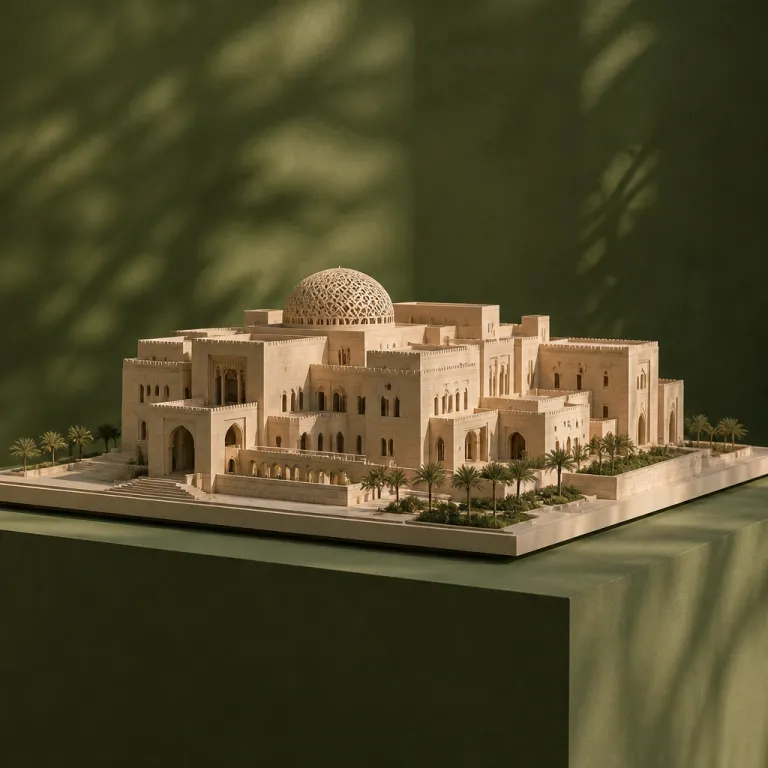
From the moment you approach the building, national museum oman muscat signals that this is not a nostalgic exercise. The façade is restrained, with clean lines and carefully proportioned openings that filter the intense light of muscat oman into a soft interior glow. It feels like a contemporary majlis for the whole sultanate, a place where heritage and present day governance quietly meet.
Inside, the metres allocated to circulation spaces are generous, which matters if you are used to compressed business itineraries and crowded conference foyers. Here, the galleries unfold at a measured pace, with clear sightlines and seating that invite you to pause rather than rush. This spatial luxury mirrors the best hotel design in oman, where the real indulgence is often volume, silence, and shade rather than overt opulence.
The museum middle positioning is also architectural, because this building sits between palace, gov ministries, and the old harbour. That urban context underlines its role as a national centre for learning and cultural dialogue, not just a tourist stop. For travelers, it offers a rare chance to stand in a space where the sultanate oman presents itself to its own citizens as carefully as to visitors.
Look closely at the materials and you will notice how stone, plaster, and metal screens echo elements you have already seen in high end hotels across muscat oman. The difference is that here, the design language is explained through exhibitions on prehistory ancient settlements, ancient history craftsmanship, and intangible heritage practices. Once you have walked these corridors, you start to read your hotel’s lobby, spa, and even its conference centre as part of the same architectural conversation.
How to pace a full morning at the national museum
The temptation for busy executives is to treat national museum oman muscat as a 45 minute box to tick between meetings. That approach misses the point, because the narrative here is cumulative and designed to unfold over at least two hours. With 14 permanent galleries and thousands of artefacts, the museum oman experience rewards a slower, more deliberate pace.
Start with the land people and prehistory ancient sections, which anchor you in the geography and early settlements of oman before you dive into more ornate displays. Move next into ancient history, arms armour, and maritime history, where the story of the sultanate’s regional influence and trade networks comes into focus. These galleries collectively explain why the sultanate oman has always looked both inland to its mountains and outward across the sea, a duality you will later see reflected in resort locations and design choices.
Leave time for the learning centre and the more interactive facilities, especially if you are traveling with family or extending a work trip into leisure. The learning centre spaces use digital tools and tactile displays to make complex history accessible, which is why the museum’s own team highlights "Increased visitor engagement through digital experiences." Photography is allowed in most areas, so you can capture details that later help you decode motifs in hotel interiors or in the nearby souqs.
Before you exit, pass through any temporary exhibitions that are running, because these often focus on specific aspects of intangible heritage or contemporary art. Temporary exhibitions tend to be more experimental, offering a sharper lens on themes like currency, maritime history, or conservation facilities in the wider region. A final stop at the gift shop then lets you translate what you have seen into considered purchases, from design books to objects that echo the storage concept and craftsmanship you have just studied.
From museum to Muttrah Souq and beyond: connecting the cultural dots
One of the strongest arguments for giving national museum oman muscat a full morning is what it does to the rest of your day. Step out of the building, and within a short drive you can be walking the lanes of Muttrah Souq with a completely different lens. The galleries on currency, maritime history, and intangible heritage have already trained your eye for silver work, textiles, and incense, so the market feels like a living extension of the museum oman narrative.
If you are planning a combined cultural morning, start with the museum’s calm, climate controlled spaces, then move to the sensory intensity of the souq. Our detailed guide to navigating Oman’s living souqs with children and adults alike at inside Oman’s living souq tradition pairs perfectly with a visit to the national museum. Together, they show how the sultanate oman balances conservation facilities and curated exhibitions with the unfiltered commerce of daily life.
Back at your hotel, the morning’s learning often shifts how you use the facilities and public spaces. You may notice how many metres are allocated to shaded terraces, how the spa references land people rituals, or how the lobby art echoes themes from the museum middle galleries. Even the way staff handle currency, coffee service, and guest greetings starts to read as part of a broader intangible heritage rather than isolated gestures.
For travelers moving on to coastal or island properties, the context gained at national museum oman muscat continues to pay dividends. When you later check into a resort shaped by maritime history or a desert retreat that foregrounds prehistory ancient landscapes, you will recognise the design references rather than just admiring the view. That is the quiet power of this national centre for learning : it turns a luxury itinerary across oman into a coherent story rather than a series of unrelated hotel stays.
Behind the scenes: why the museum’s standards matter to luxury travelers
Part of what makes national museum oman muscat so relevant to discerning travelers is its invisible infrastructure. Serious conservation facilities, a carefully engineered storage concept, and climate control systems ensure that fragile objects from prehistory ancient periods to recent history are preserved to international standards. That same respect for detail and long term thinking is exactly what you want to sense in a high end hotel’s back of house operations.
The museum sultanate team manages more than five thousand artefacts, with 14 permanent galleries and additional temporary exhibitions rotating through the year. Those numbers matter because they show that this is not a token cultural gesture but a fully fledged national museum with depth, range, and a clear curatorial strategy. When an institution in the middle east invests at this scale, it signals a broader national commitment to heritage that often extends into how hotels are regulated, trained, and positioned.
Accessibility is another area where the museum oman sets a benchmark, being the first institution in the region to introduce Arabic Braille across its learning centre and public spaces. That attention to inclusive design mirrors the best practices you increasingly see in new builds and renovations across muscat oman, from step free access to thoughtful wayfinding. For business travelers evaluating venues for events or incentive trips, this alignment between cultural centre and hospitality sector is a strong indicator of the sultanate oman’s overall service culture.
Finally, the presence of a well curated gift shop and on site learning facilities underlines that this is a place designed for repeat visits, not a one time tour stop. As you move between museum middle institutions like this and the luxury properties featured on myomanstay.com, you start to see a shared vocabulary of care, craft, and continuity. That is why allocating a full morning here is not a detour from your hotel focused itinerary in oman, but the key that unlocks its deeper meaning.
FAQ about the National Museum of Oman for hotel guests
What are the opening hours of the National Museum of Oman ?
The National Museum of Oman is open daily from 8:00 AM to 11:00 PM, which makes it easy to fit into a pre flight morning or a post meeting evening. These extended hours are particularly convenient for business travelers staying in muscat oman hotels with tight schedules. Always check the official museum oman communication before your visit in case of special closures or adjusted timings.
How much time should I allocate for a visit from my hotel ?
Plan to allocate at least two hours for national museum oman muscat, even if you are staying nearby in the government or harbour districts. This allows you to move through the 14 permanent galleries, any temporary exhibitions, and the learning centre without rushing. With travel time from most central hotels in muscat oman, a full morning block is ideal.
Is photography allowed inside the galleries ?
Photography is allowed in most areas of the national museum, which is helpful if you want to capture design details or historical references to compare with your hotel interiors later. Some sensitive exhibitions may restrict flash or any photography, so always follow on site signage and staff guidance. Respectful behaviour in the galleries ensures that conservation facilities and artefacts remain protected for future visitors.
Are there facilities for children if I am on a family trip ?
Yes, the museum oman includes discovery areas and a dedicated learning centre that work well for children and teenagers. Interactive displays, tactile elements, and clear narratives help younger visitors engage with oman national history without feeling overwhelmed. For families combining the museum with Muttrah Souq or other cultural sites, these facilities make national museum oman muscat a strong anchor for a half day itinerary.
How close is the museum to luxury hotels and Muttrah Souq ?
The building sits in the historic heart of muscat oman, opposite Qasr al Alam Palace and within a short drive of many premium hotels along the corniche and in the old city. Muttrah Souq is also nearby, making it easy to pair a structured museum visit with a more free form market walk. Most concierge teams in the sultanate oman can arrange transfers or brief guided routes that link your hotel, the national museum, and the souq efficiently.