Oman frankincense heritage travel as the missing context to your luxury stay
Step into any high-end lobby in Oman and you will smell frankincense before you see the check-in desk. That first curl of smoke is your quiet invitation into Oman’s frankincense heritage, a deeper narrative that links polished marble floors to the rugged Dhofar region where the resin still shapes lives. For business travelers extending a stay in the city, understanding this land of frankincense turns a routine trip into a journey with cultural weight.
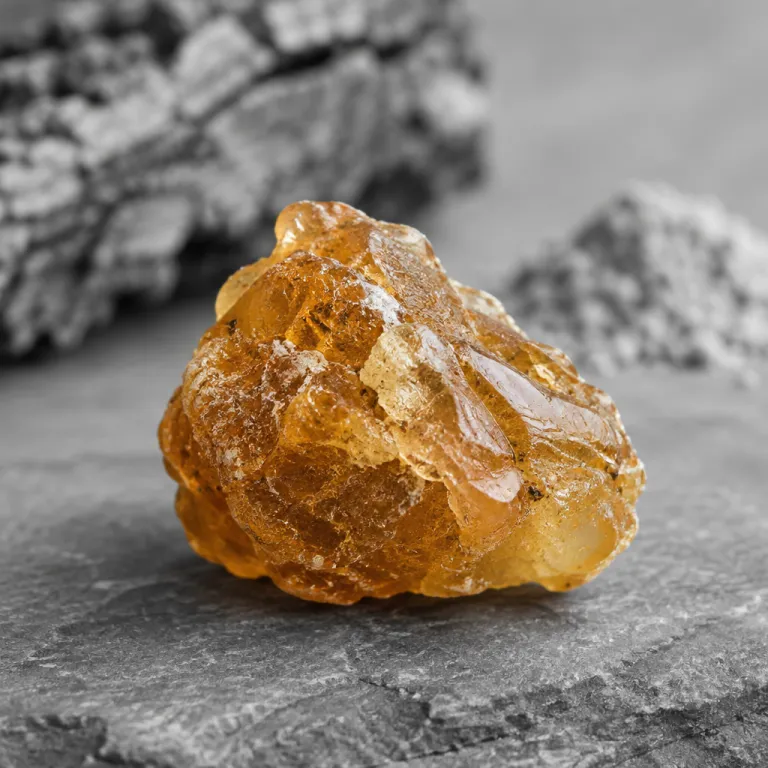
Frankincense is an aromatic resin from Boswellia sacra, and the finest frankincense resin in Oman comes from sacra trees that cling to limestone escarpments above Salalah in the Dhofar region. These frankincense trees have been tapped for more than 5,000 years, feeding an ancient trade that once made this quiet corner of Oman as strategically important as any modern energy hub. When you walk through a hotel perfumed with Omani frankincense today, you are stepping into the afterglow of that incense trade and its global trading networks.
UNESCO World Heritage recognition for the Land of Frankincense in 2000, under criteria (iii) and (iv), formalised what local families and ancient traders always knew about this resin-rich coast. Four heritage sites in Dhofar — Al Baleed, Khor Rori, Wadi Dawkah and the lost city of Ubar at Shisr — now anchor any serious frankincense trail, and they sit within easy reach of premium hotels in Salalah. For travelers using a luxury and premium hotel booking website to plan frankincense-focused travel in Oman, these heritage sites are not optional excursions; they are the cultural framework that explains why every wadi, every tree and every beach feels quietly charged.
The two day frankincense trail from Salalah: how to structure it
Base yourself in Salalah, because the city gives you both polished hotels and fast access to the frankincense trail. Most luxury properties sit either along the main beach strip or just inland, which keeps transfer times short while you move between heritage sites, wadis and the coastal road. From a central hotel, you can shape a two-day journey that respects meeting schedules yet still reaches the core of Oman’s frankincense story.
Start early with a visit to Wadi Dawkah, the protected grove where Boswellia sacra trees stand in ordered lines across a stony wadi floor. The drive from central Salalah takes around 45 minutes, long enough to watch the city fall away and the plateau open up. Here you see the frankincense tree as an agricultural asset rather than a decorative lobby feature, with tapping scars visible on the pale trunks and frankincense resin drying in the sun. Guides explain how knives, baskets and even camels once defined frankincense trading, turning this quiet wadi into a node on an ancient trade trail that linked Dhofar to the Mediterranean and beyond.
On the return leg, stop at Mughsail Beach where cliffs drop into turquoise water and the air carries a faint resin note from nearby land frankincense groves. This stretch of coast shows how the Dhofar region balances raw landscape with discreet hospitality, and it pairs well with an overnight dhow experience in the north such as the overnight cruise every Oman trip should include. Day two should focus on the coastal heritage sites near Salalah city, where Khor Rori and the Baleed archaeological park reveal how frankincense trading once turned this quiet shore into a global maritime hub; allow roughly 30–45 minutes’ driving between each site and check local opening hours in advance, as timings can vary by season.
Reading the UNESCO Land of Frankincense sites like a seasoned traveler
Think of the four UNESCO heritage sites as chapters in a single Omani frankincense narrative rather than isolated stops. Al Baleed, now the Baleed archaeological park on the edge of Salalah, pairs ruined city walls with a museum that traces frankincense trade routes from Dhofar to ancient ports across Arabia, Africa and Asia. Walking the Baleed archaeological paths at sunset, with the lagoon on one side and the city lights on the other, you feel how this land frankincense hub once mediated between desert caravans and maritime trading fleets.
Khor Rori, identified with the ancient port of Sumhuram, sits where a wadi meets the sea and offers a different angle on frankincense trading. Here the remains of warehouses and quays show how frankincense resin moved from Boswellia sacra trees in the interior to ships bound for royal courts and temples, turning this quiet khor into a nerve centre of ancient trade. The site’s position between cliff and beach also makes it one of the most atmospheric heritage sites in the Dhofar region, especially when the late light catches the water and the surrounding trees.
Further inland, the lost city of Ubar at Shisr adds a layer of myth to your Oman frankincense heritage travel, with excavated towers hinting at a once powerful trading city on the desert edge. Completing the circuit at Wadi Dawkah closes the loop between frankincense tree, resin, caravan and port, giving your journey a satisfying narrative arc that most hotel brochures never attempt. For solo travelers or executives extending a stay, resources such as the guide to why solo travelers should book Dhofar now help you match specific hotels to each stage of the frankincense trail.
Frankincense quality, hotel rituals and where to buy the real resin
Once you have walked the frankincense trail, the burner in your hotel lobby reads very differently. Not all frankincense resin is equal, and in Oman frankincense circles the grading system matters as much as a wine list in a serious restaurant. Hojari from the Nejd plateau in the Dhofar region is considered the finest, with pale greenish tears, while more common grades such as Shaabi and Shazri burn harsher and are often what hotels use for daily rituals.
In a luxury property that takes Oman’s frankincense heritage seriously, staff can explain which frankincense trees their resin comes from and why Boswellia sacra thrives in specific wadis. You will notice whether the frankincense tree is referenced in spa menus, tea pairings or cultural programming, or whether the burner is simply a decorative prop near the elevators. A hotel that understands the cultural and economic weight of frankincense trade will often partner with families from the Dhofar region, ensuring that sacra trees are tapped sustainably and that traditional harvesting methods remain viable.
For your own purchases, Al Haffa Souk in Salalah city remains the reference point, and this is where Oman frankincense heritage travel becomes tactile. Ask vendors to show you different grades of frankincense resin side by side, and pay attention to colour, size and clarity of the tears as you compare options from various frankincense trees. One local explanation captures the essence perfectly: “What is frankincense? Aromatic resin from Boswellia trees,” as a Salalah shopkeeper put it while tipping a handful of pale Hojari tears into a brass bowl.
Designing a 48 hour frankincense focused stay through myomanstay
For business leisure travelers, the real luxury is not another gold-plated suite but a tightly curated 48-hour journey that fits around meetings. Using a specialist platform such as myomanstay.com, you can filter premium hotels in Salalah and Muscat by proximity to key heritage sites, then layer in Oman frankincense heritage travel experiences with the same precision you apply to a calendar. This is where a refined online hotel booking experience becomes a cultural strategy rather than a simple room reservation.
A typical pattern starts with one night in Muscat for city meetings, followed by a short flight to Salalah and a two-night stay in a coastal resort that understands the Land of Frankincense narrative. From there, you can book private transfers to Wadi Dawkah, the Baleed archaeological park, Khor Rori and the lost city of Ubar, structuring your journey so that each site builds on the last. Guides in the Dhofar region often come from families involved in frankincense trading, which means your conversations about ancient trade routes, heritage sites and modern tourism policy feel grounded rather than rehearsed.
As you refine your itinerary, use resources such as the guide to the refined experience of online hotel booking in Oman to align service expectations with on-the-ground realities. The goal is to match a hotel whose cultural programming extends beyond the lobby burner with a sequence of visits that takes you from wadi to beach to city without wasted transfers. When you return to Muscat or onward travel, you carry not just a bag of frankincense resin but a set of stories about trees, trails and trading networks that land well in any boardroom.
FAQ
What is frankincense and why is it important in Oman?
Frankincense is an aromatic resin tapped from the Boswellia sacra tree, which grows naturally in the Dhofar region of Oman. For more than 5,000 years, frankincense trade from this coast has supported economic prosperity, religious rituals and cultural exchange across continents. Today, Oman frankincense heritage travel uses this history to connect modern visitors with traditional harvesting communities and UNESCO-recognised heritage sites.
Where should I stay in Salalah for the Land of Frankincense circuit?
Most travelers choose luxury or premium hotels along the main Salalah beach strip or just inland near the city centre. These locations keep driving times short to Wadi Dawkah, the Baleed archaeological park, Khor Rori and the lost city of Ubar, which are the four core sites in the Land of Frankincense itinerary. When booking, look for properties that offer knowledgeable guides, flexible transfer options and meaningful cultural programming related to frankincense trees and traditional trade.
How can I experience frankincense harvesting with local communities?
Frankincense harvesting in the Dhofar region usually takes place during the drier months from roughly March to June, when resin can be tapped and dried efficiently on the tree. To join a harvesting activity, it is better to work with specialist local operators who collaborate directly with Dhofar region inhabitants rather than relying only on hotel concierges. These operators can arrange small group visits to frankincense trees in selected wadis, where harvesters demonstrate tapping techniques, resin collection and the traditional tools used in ancient trade.
Is it easy to combine business travel in Muscat with a frankincense focused side trip?
Yes, Muscat to Salalah is a short domestic flight, and many executives add two or three nights in Dhofar after meetings in the capital. By using a curated hotel booking platform, you can align flight times, premium hotel stays and private excursions to the main heritage sites without losing working days. This pattern turns a standard business itinerary into Oman frankincense heritage travel, giving you conversations about UNESCO heritage, ancient trading routes and cultural resilience that resonate in professional settings.
Where can I buy authentic frankincense resin in Oman?
Al Haffa Souk in Salalah city is the most established marketplace for high-quality frankincense resin from Boswellia sacra trees. Vendors there usually stock several grades, from top-tier Hojari to more common varieties, and they will let you compare colour, size and clarity of the tears before you buy. For serious Oman frankincense heritage travel, it is worth spending time here, asking about harvesting areas, sacra trees and family trading histories to ensure your purchases support traditional supply chains.