Why oman desert camp luxury rewrites the rules of a hotel stay
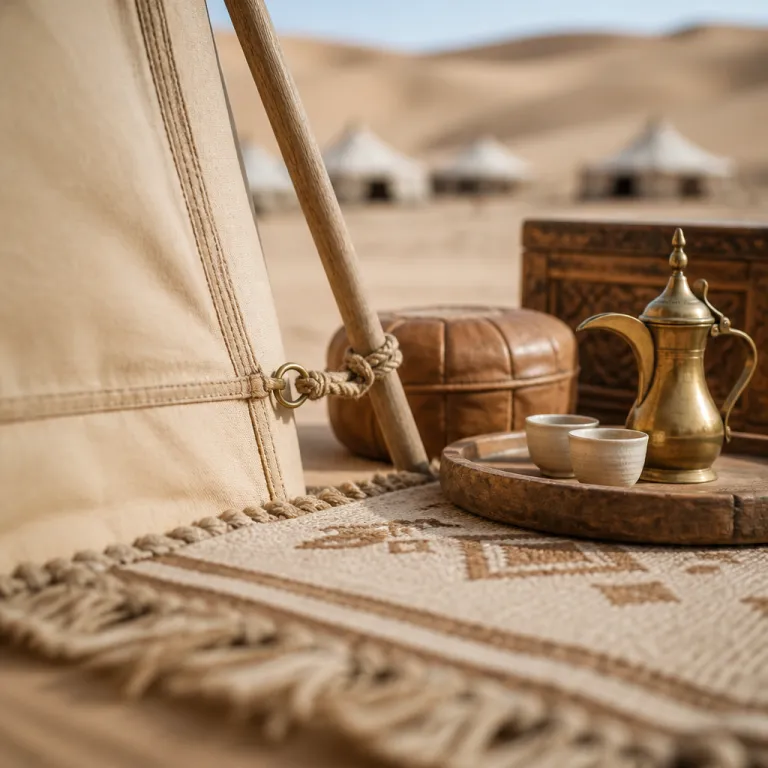
In the Sharqiya Sands, still widely known as Wahiba Sands, an Oman desert camp luxury stay is not a themed add on to a Muscat beach holiday. It is a distinct category of accommodation where the desert itself replaces the lobby, the corridors, and the usual sense of a sealed resort. You trade a marble reception for a low majlis tent, where the first ritual is coffee poured before the question is asked, echoing long standing Omani customs of welcoming travellers.
Here the dunes are not a backdrop but the architecture, and every high end desert camp in Oman that takes luxury seriously is built around that principle. The most atmospheric properties sit directly on the sands, with tents facing open ridgelines rather than inward toward a pool or a bar. You feel the sand underfoot on the way to dinner, you hear the wind on the canvas at night, and you understand why desert nights in Oman are often described by guides as a form of quiet theatre.
Unlike a coastal resort, a luxury desert camp in Wahiba Sands cannot hide from the elements, so comfort is designed around exposure rather than insulation. Air conditioned tents at places such as Desert Nights Camp or the more private tented options from Magic Camps are still permeable to the sounds and scents of the desert. This is where Oman desert camp luxury diverges from conventional five star logic, because the absence of solid walls between you and the dunes is the point, not a compromise, and guests are usually briefed on this before booking.
Bedouin hospitality and the meaning of luxury in the sands desert
Omani desert hospitality is rooted in Bedouin codes, and the best desert camps translate those into a refined but unfussy style of luxury. In a serious camp Oman property, the welcome is not a scripted performance but a sequence of gestures that locals would extend to any traveller crossing the sands. Coffee and dates arrive before you even check in to your room, and conversation flows only if you want it to, because silence is treated as a feature rather than a gap in the experience.
In this context, luxury is not about a long list of activities or a vast spa menu, although guided dune bashing, camel riding, and sandboarding are usually available. It is about the quality of the night sky, the way the sand cools under bare feet after sunset, and the ease with which staff anticipate what guests need without hovering. When you compare accommodation in Oman across regions, from Muscat to Jebel Akhdar, you realise that desert Oman offers a different kind of discretion, one that coastal hotels simply cannot replicate in the same way because of their scale and setting.
Bedouin families still move through parts of Wahiba Sands, and many luxury desert camps employ local guides whose knowledge of the dunes is inherited rather than trained. That is why the best camps in this region tend to feel intimate even when they are not marketed as a private camp, because the service style is based on hosting rather than serving. One repeat guest quoted by specialist operator Steppes Travel described the atmosphere as “minimalist in appearance but incredibly generous in spirit,” a summary that captures why this Oman desert camp luxury often lingers long after the trip.
From tents and starry domes to multi night desert itineraries
Accommodation design is where Oman desert camp luxury has evolved fastest, moving beyond simple tents into a spectrum of structures that still respect the dunes. Classic Bedouin style tents with woven exteriors now sit alongside starry domes with transparent panels, allowing guests to watch the Milky Way from bed without adding light pollution to the desert. Even the most polished desert resort style properties in desert Oman keep their footprint low, using solar power and soft lighting to protect the night sky in line with guidance from the Oman Ministry of Heritage and Tourism.
Desert Nights Camp, for example, offers air conditioned tents with private bathrooms, yet the layout keeps every tent facing the open Wahiba Sands rather than an internal courtyard. Magic Camps specialises in a more private camp configuration, often setting up a cluster of luxury desert tents for a single party in a remote pocket of dunes. The One Private Camp, a small scale operation in Wahiba Sands, goes further by creating single tent style stays where one set of guests has an entire section of sand to themselves, a pure expression of desert seclusion that tour operators typically book months in advance.
This shift has encouraged travellers to think in terms of multi night routes rather than a single night camp stop between Muscat and the coast. You might spend two desert nights in a semi permanent camp near Sama Wasil for easy access to activities, then move deeper into the sands desert for a second phase in a more expedition style set up. From there, some itineraries continue to the wild beaches of Masirah Island for a different kind of remote luxury, turning the desert camps into waypoints in a wider narrative rather than standalone attractions on an Oman itinerary.
How to choose the right wahiba sands camp for your style of luxury
Choosing between the growing number of desert camps in Wahiba Sands starts with being honest about how close you want to be to the dunes. If you prefer easy access and shorter transfers, look at camps near the edge of the Wahiba Sands around Sama Wasil, where 4x4 tracks are well established and activities are tightly organised. Travellers seeking a more intense desert experience should consider properties that sit deeper into the dunes, where the sand feels endless and the night silence is almost physical, especially on moonless nights.
Desert Nights Camp suits guests who want a structured luxury desert resort style stay, with clear schedules for dune bashing, camel riding, and guided walks, plus a defined main tent for dining. Magic Camps works better if you value a private camp atmosphere and are comfortable with a more flexible rhythm, where the team can adjust activities around your preferred pace. The One Private Camp is for travellers who want the best possible sense of isolation, accepting a longer transfer and fewer built facilities in exchange for a single tent set among untouched sand and hosted by a dedicated crew.
Whichever style of camp Oman you choose, check what is genuinely included in the nightly rate and what carries an additional charge. Some desert camps bundle core activities and full board into their camp offers, while others price dune bashing, camel riding, or private dinners separately. Families should also ask about minimum ages, tent configurations, and whether specific activities are suitable for children, because not every room type or activity list is designed with younger guests in mind or covered by standard insurance policies.
Practical guidance for booking and staying in an oman desert camp
Planning an Oman desert camp luxury stay starts with timing, because the season in Wahiba Sands runs roughly from October to April when temperatures are more manageable. During these months, desert nights are cool enough for comfortable sleep in tents, while days are warm but not oppressive for activities on the dunes. Outside this window, many desert camps close entirely, and those that remain open can feel harsh for guests unused to extreme heat, a point also highlighted in advisory notes from Oman tourism boards.
Booking early is essential, especially for smaller private camp options and for peak holiday periods when the limited number of tents in each property fills quickly. As of 2024, specialist tour operators report average nightly rates for a serious luxury desert camp in Wahiba Sands at around 250–400 USD for two adults on a half board basis, with private configurations such as The One Private Camp often higher according to quotes from companies like Oman Spirit. When you book, ask clearly which meals, transfers, and activities are included, and request a written list of anything that may incur an additional charge so there are no surprises on arrival.
Packing for desert Oman is about layers rather than volume, because temperatures can swing sharply between day and night. Bring light breathable clothing for daytime sand activities, a warm layer for late evenings under the starry domes of the sky, and closed shoes for walking on hot sand or rocky patches. Most camps provide basic amenities in each room or tent, but it is wise to carry your own refillable water bottle, a head torch for moving between tents at night, and any personal medication, because the nearest town can be more than an hour away by 4x4 from the main Muscat–Sur highway.
FAQ
What activities can I expect at a luxury desert camp in Oman ?
At a serious luxury desert camp in Oman, you can usually expect guided dune bashing in 4x4 vehicles, camel riding at sunrise or sunset, and sandboarding on the steeper dunes. Many camps also offer guided walks to explain desert flora, Bedouin culture, and the geology of the Wahiba Sands. Stargazing is a highlight of most desert nights, with some camps providing telescopes or simple mats on the sand for lying back under the starry domes of the sky.
Are desert camps in Wahiba Sands suitable for families with children ?
Many desert camps in Wahiba Sands are suitable for families, offering larger tents or interconnecting units that function like a multi room suite. Children often enjoy the open sand, short camel rides, and gentle dune activities, although more intense dune bashing may have age restrictions. Parents should check in advance about minimum ages, safety equipment, and whether specific activities carry an additional charge for younger guests.
How do I reach my camp from Muscat or other regions of Oman ?
Most established desert camps in Wahiba Sands arrange 4x4 transfers from Muscat or from nearby towns on the edge of the sands. Driving time from Muscat to the main entry points near Bidiyah is typically around three hours on paved roads, with a further 20–45 minutes off road into the dunes depending on camp location. Some guests choose to self drive as far as the last paved point, where camp teams meet them and handle the off road section into the dunes.
How many nights should I spend in a luxury desert camp ?
For a first time visit, two desert nights usually strike the right balance between immersion and comfort, allowing one full day for activities and one for slower appreciation of the landscape. Repeat visitors or travellers building a deeper itinerary through desert Oman often plan three or more nights, sometimes splitting their stay between a structured camp and a more private camp. Because the number of tents in each property is limited, it is wise to secure your preferred number of nights well in advance, especially during high season.
What is the best season for an oman desert camp luxury stay ?
The most comfortable season for an Oman desert camp luxury stay in Wahiba Sands runs from October to April, when daytime temperatures are warm but not extreme and desert nights are pleasantly cool. During this period, most camps are fully operational, with a complete range of activities available on the dunes and in the surrounding sands desert. Outside these months, some desert camps close and those that remain open can feel challenging for guests unaccustomed to high heat, so careful planning is essential.
Sources
Oman Ministry of Heritage and Tourism (seasonal guidance, accessed 2024) ; Oman Spirit (sample itineraries and pricing indications, 2023–2024) ; Steppes Travel (guest feedback and camp descriptions, 2023).