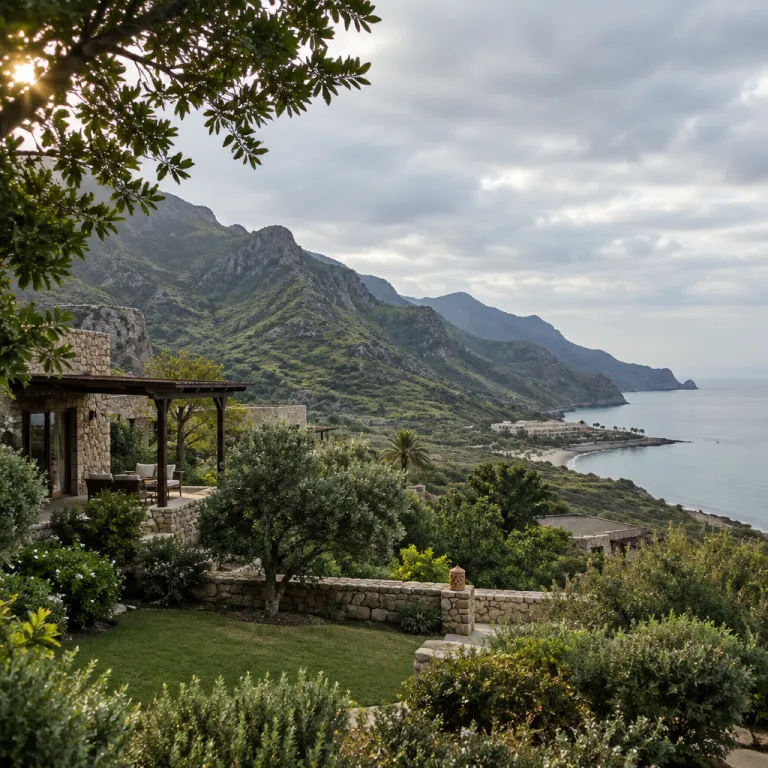
Why oman slow travel two base changes a luxury trip
Most couples arrive in Oman with a packed travel itinerary and a list of six hotels that promise variety but quietly drain energy. By the third day of this kind of trip, the romance of luxury travel gives way to logistics, with every sunrise framed by a suitcase that must be zipped and a car that must be loaded. The country becomes a sequence of check in desks rather than a slow relationship with a place, and the exact moments you came for slip between day trips and transfers.
Oman rewards a different rhythm, one that treats slow travel as a form of respect for both landscape and omani hospitality. Instead of racing from Muscat to the desert and then to Jebel Akhdar and Jebel Shams in a blur, the oman slow travel two base model asks you to choose just two regions and stay long enough to feel their pulse. You still travel Oman widely in spirit, but you do it through depth, not through a frantic tour of every wadi and every fort in a single trip.
Travel planners and travelers are the real decision makers here, not the companies selling hotel hopping packages that look efficient on paper. When you trade six properties for two, you reclaim almost a full day that would otherwise vanish into packing, driving, and waiting for rooms to be ready, and that time becomes a long lunch, a wadi swim, or a free afternoon nap. The result is an oman travel experience that feels composed rather than crowded, especially for a couple designing a first trip Oman together.
The case against hotel hopping in oman luxury travel
On a classic oman itinerary, every new hotel promises a fresh view yet charges a hidden tax in fatigue. Changing base usually costs about half a day lost to packing, transit, check in and settling in, and when you repeat that four or five times, your travel guide becomes a timetable rather than an invitation. The logistics look exact on Google Maps, but the lived reality is a blur of corridors, valet tickets, and rushed breakfasts before another day trip.
For luxury travel in the Middle East, this is a strange way to treat time, which is the most expensive element of any trip. You cross Muscat Oman in a hired car, rush a visit to Nizwa Fort, then push on toward a desert camp in Wahiba Sands, arriving just in time for sunset but too tired to read the omani night sky properly. The next morning you are back in the car for Jebel Shams or Jebel Akhdar, and the desert becomes a postcard rather than a place you actually inhabit.
There is another cost that does not show up in any travel itinerary or on the website of a hotel company. Staff never learn your names, you never find your favorite corner of the pool, and you never return to the same restaurant twice, which means the stay never deepens into routine. If you are curious about how heritage properties can anchor a slower approach, read this piece on sleeping inside history in Oman, then imagine that same philosophy applied to your entire trip Oman.
Designing the oman slow travel two base model
The oman slow travel two base structure is disarmingly simple, yet it reshapes the entire trip. You choose one coastal hotel near Muscat Oman and one mountain stay on the Saiq Plateau or near Jebel Shams or Jebel Akhdar, then you give each base at least two or three nights so it can breathe. Trips of five to eight nights or more normally benefit from this split, especially when the two clusters of experiences sit more than ninety minutes apart.
From your coastal base, you treat Muscat as a lived in city rather than a quick tour stop, using a car and Google Maps for short day trips instead of long transfers. One day trip might be a guided visit to the National Museum, which deserves a full morning and is explored in depth in this Muscat museum guide, while another day focuses on snorkeling around the Daymaniyat Islands or walking the corniche in Muttrah. A third day could be reserved for Wadi Shab or a coastal wadi nearby, with time to linger over omani coffee rather than racing back for a late check in somewhere else.
The mountain base then unlocks a different chapter of travel Oman, with cooler air and a slower horizon. From a single hotel you can plan day trips to villages near Jebel Akhdar, the rim of Jebel Shams, or the souqs around Nizwa Fort, returning each evening to the same room, the same staff, and the same view. If you want a sense of how a coastal icon can anchor this model, look at this review of an elegant stay at The Chedi in Muscat, then imagine pairing that with a mountain retreat for a complete oman travel design.
What you gain by staying: routine, relationships, and real omani texture
Staying put for several nights in each base changes how you relate to both the hotel and the surrounding omani landscape. On the second or third day, staff begin to anticipate your habits, from how you take your coffee before a desert tour to which pool lounger you quietly claim after a long wadi swim. That familiarity is not just pleasant service ; it is the foundation of luxury travel in Oman, where hospitality is measured in attention rather than in marble.
Routine also transforms the way you visit nearby highlights, because you are no longer trying to cram every wadi, every fort, and every desert camp into a single frantic loop. From Muscat you might plan one relaxed day trip to Wadi Shab, another to the Daymaniyat Islands, and a third to the old city and the National Museum, returning each evening to the same coastal stay without repacking a single bag. In the mountains, a similar pattern lets you alternate between a full day exploring Jebel Akhdar terraces, a shorter afternoon near Jebel Shams, and a quiet morning wandering villages that never appear in any standard travel guide.
Over time, these repeated paths turn into a personal map that no company can sell and no generic tour can replicate. You start to know which alley in Muttrah feels right at dusk, which viewpoint above Nizwa Fort catches the last light, and which staff member at your hotel has the best suggestions for a free afternoon. That is the essence of the oman slow travel two base approach, where the best memories come not from the number of places you tick off, but from the depth of your stay in just a few.
Choosing your two bases: coast, mountains, and the honest trade off
For most couples planning an oman travel itinerary, the most effective pairing is a coastal base around Muscat and a mountain base in the interior. The coast gives you easy access to the Daymaniyat Islands, Wadi Shab, and the cultural spine of Muscat Oman, while the mountains open up Jebel Akhdar, Jebel Shams, and the high plateaus that define travel Oman beyond the capital. Between them you can still arrange a guided day trip into Wahiba Sands or an overnight in a desert camp, using your car and a trusted company rather than uprooting your entire stay.
Designing this oman slow travel two base structure means accepting that you will see less of the map and more of the moments. You might skip Salalah or the far south on this particular trip, but in exchange you gain slow mornings, unhurried day trips, and the freedom to change plans when a staff member suggests a wadi that does not appear in any standard travel guide. When destinations split into two clusters more than ninety minutes apart and each deserves at least two nights, and when your trip runs to five nights or longer, the two base model almost always wins.
This approach will not suit every traveler or every company that sells fast paced tours across the Middle East. If your priority is to collect as many regions as possible in a single trip Oman, then a relay of hotels may still feel like the best use of time, even if it is not the most restful. But if you value silence, service, and the ability to walk the same path twice, the oman slow travel two base design offers a clear, exact answer to how you should stay, and why one well chosen mountain hotel and one coastal stay can be the best luxury travel decision you make.
FAQ
When should I choose two bases instead of one in Oman ?
Two bases work best when the experiences you want in Oman fall into two clear geographic clusters that are more than ninety minutes apart. Coastal highlights around Muscat and inland mountains such as Jebel Akhdar or Jebel Shams are a classic pairing for a slow travel trip. This structure lets you plan day trips from each base without turning every day into a long transfer.
How long should my oman slow travel two base trip be ?
A split base design usually needs at least five nights in Oman to make sense. That allows a minimum of two nights in each hotel, with an extra night to soften the single transfer between coast and mountains. Shorter trips are often better served by one carefully chosen stay and focused day trips.
Is renting a car necessary for this kind of travel Oman itinerary ?
Renting a car is not strictly required, but it gives you far more flexibility for day trips from both bases. With a car and Google Maps, you can time your visit to Wadi Shab, the Daymaniyat Islands, or Nizwa Fort to avoid crowds and heat. If you prefer not to drive, arrange private tours with reputable companies based in Muscat Oman and the interior.
Can I still include the desert if I am not staying overnight in Wahiba Sands ?
Yes, many travelers arrange a long day trip from the coast or the mountains to a desert camp in Wahiba Sands. You can enjoy dune drives, omani coffee, and sunset views, then return to your main hotel without changing base. For a deeper desert experience, consider adding a single overnight while keeping your two primary bases unchanged.
What does changing base cost in terms of time and experience ?
Changing base usually costs about half a day lost to packing, transit, check in and settling in. That is time you could otherwise spend on a relaxed visit to a wadi, a museum, or a long lunch overlooking the mountains. The oman slow travel two base model reduces these transitions to a single move, which is why it feels calmer and more luxurious over the course of the trip.