Why oman’s desert is a natural sleep laboratory
Silence in the Omani desert is not an absence, it is a presence. Once you leave Muscat and drive three hours inland, the road falls quiet and the dunes begin to rise in soft waves of sand. By the time you reach the first camps on the edge of the Wahiba Sands, your nervous system has already started to downshift.
For a serious oman desert sleep retreat, the environment matters more than any spa menu. Out here the sands of Oman act as a vast sound blanket, absorbing noise so that guests hear only wind, the occasional Bedouin truck and their own breath. The temperature drops sharply at night, and that natural coolness, combined with dry air and total darkness, creates conditions that many urban hotels try to simulate with blackout blinds and aggressive air conditioning.
What sets a true rest focused desert camp apart is its relationship with light and time. A good host will keep artificial lighting low, use warm tones in every tent and let the night sky remain the brightest ceiling in the property. When the last generator hum fades and the dunes turn to silhouettes, you understand why a single night here can feel like several nights in a city hotel.
From themed package to real oman desert sleep retreat
Many properties now market desert nights as wellness, but not every stay qualifies as a genuine oman desert sleep retreat. Some hotels near Wahiba Sands offer a standard dune bashing itinerary, a camel ride and a late buffet, then label the experience as restorative. If your evening is filled with loud music, bright floodlights on the sand and constant announcements, your brain never receives the signal that the night has begun.
A more serious programme borrows from contemplative retreats worldwide while staying rooted in Oman. Retreat hosts and instructors may guide gentle yoga on the dunes at sunset, then shift guests into noble silence after dinner so that the camp settles into a shared quiet. As one organiser puts it without drama or mystique : "Do you need to meditate before attending?" and "Is silence total speech ban?" and "Will fasting or illness disqualify you?" — these are the practical questions that shape a safe, calm stay.
Look for desert camps that structure the stay around circadian rhythm rather than entertainment. A thoughtful desert camp in the sands of Wahiba will dim lanterns early, limit Wi Fi in tents and encourage guests to step into the cool air before sleep. When you read about a property such as Desert Nights Camp or another nights resort in the region, check whether the schedule protects long, uninterrupted sleep or simply adds a massage to an otherwise busy itinerary.
Reading the dunes: how to choose the right camp
Choosing between camps in sands Oman is less about star ratings and more about philosophy. Some camps near Wasil Oman are built for activity, with quad bikes lined up at the edge of the dunes and music carrying across the sand until late. Others, including smaller desert camp operations and roaming camps, treat the desert as a quiet partner rather than a backdrop for noise, which is far better for a focused oman desert sleep retreat.
When you compare options, start with location and access. A camp closer to Wasil may be easier to reach from Muscat in three hours, but it might also sit near other camps, with light spill on the dunes and vehicle noise at night. Deeper into Wahiba Sands, the sands Wahiba become higher, the dune lines more dramatic and the silence more complete, though the drive demands a confident 4x4 transfer and a willingness to be far from the nearest hotel lobby.
Then examine the details that rarely make it into glossy brochures. Ask about age restrictions if you are sensitive to noise, because a camp that welcomes very young children may feel lively long after dark. Clarify whether tents are spaced generously on the sand or clustered close together, and whether the camp uses generators all night or only at set times. For a sense of how thoughtful operators work with remoteness, read about roaming desert experiences in this guide to Omani roaming camps and murshid led journeys.
Inside the tent: what real sleep focused design looks like
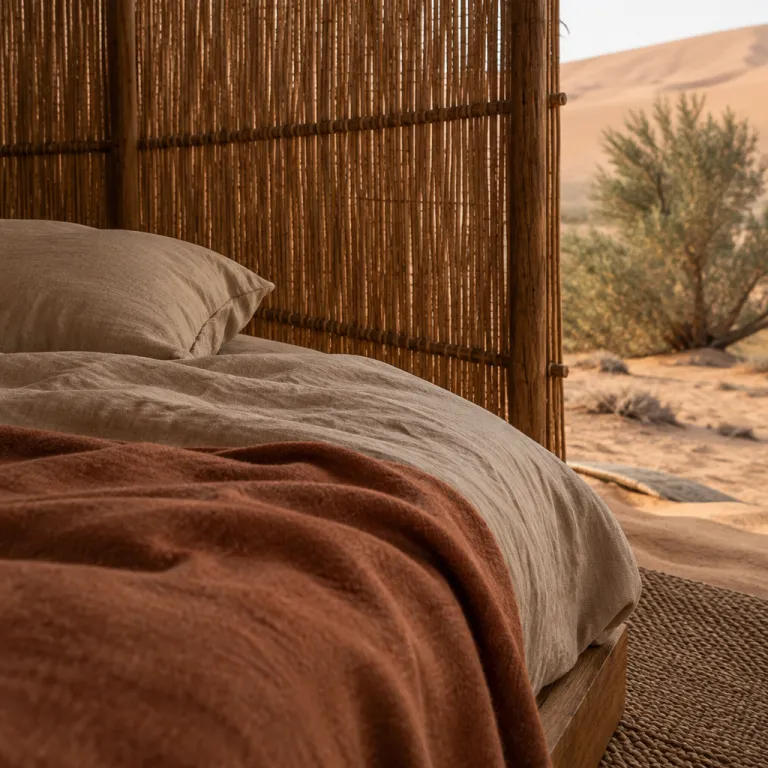
Step into a well considered tent in Wahiba and you feel it immediately. The canvas walls mute the desert wind, the floor is layered with rugs that soften every footfall and the bed faces a dune line rather than a television. Luxury here is not the gold tap but the way the tent holds the cool of the night and keeps the first light gentle.
In a serious oman desert sleep retreat, the tent becomes a tool for circadian repair. Good camps in sands Oman will use warm, low level lighting, often with bedside lanterns instead of overhead glare, and they will position openings so that guests can sleep with fresh air while keeping sand out. Some properties near Sama Wasil or other Wasil Oman outposts offer both enclosed tents and semi open shelters, allowing guests to choose between full darkness and a view of the stars without compromising on warmth.
Pay attention to how the camp handles sound and schedule. Are meals served early enough that the camp is quiet by the time the dunes turn cold, or does dinner stretch late into the night with music and chatter? Do staff move vehicles close to the tents after dark, or is the central sand area kept free so that footsteps, not engines, mark the end of the evening? These details, more than any spa treatment, determine whether your desert nights feel like a reset or just another hotel stay with prettier sands.
Planning a rest led Oman itinerary around the desert
For the solo traveler, the most powerful use of an oman desert sleep retreat is as a hinge in a longer journey. Start with a night or two in Muscat, where a city hotel offers structured comfort, then move inland to the dunes once your internal clock has softened. After several nights in the sands of Wahiba, you can return to the coast or head south with a different pace entirely.
Many guests pair a stay in Wahiba Sands with time on the high plateau or the frankincense coast. A mountain resort on Jebel Akhdar, with its cool air and early sunsets, extends the work that the desert night began, while a quieter coastal leg in Dhofar allows you to keep screen time low and sleep long. For a sense of how a slower coastal season feels in practice, explore this piece on Salalah’s quiet winter and the frankincense coast, then decide where in Oman you choose to rest most deeply.
When planning, think in blocks of nights rather than a single dramatic night in the dunes. Two or three nights Oman side in the desert give your body time to adjust to the silence, while a follow on stay at a calm nights resort or a low key hotel by the sea consolidates the gains. The aim is not to collect activities but to leave with a nervous system that has learned, again, what an unbroken night feels like.
Practical checks before you book your oman desert sleep retreat
Before you confirm any camp, ask precise questions and listen closely to the answers. Clarify how many tents the property runs at full capacity, how far each tent sits from the next and whether the camp enforces quiet hours after a certain time. If the team hesitates when you ask about generator noise at night or cannot explain their approach to lighting, the experience may lean more toward entertainment than rest.
It is also worth asking about policies that quietly shape the atmosphere. Age restrictions, for example, can be a sensitive topic, yet they matter greatly for guests seeking deep sleep, because a camp that welcomes large family groups will naturally feel more animated. Check whether the property offers separate zones for those on a structured oman desert sleep retreat and those visiting primarily for dune activities, and whether staff are trained to support digital detox rather than simply providing Wi Fi passwords.
Finally, prepare yourself as carefully as you choose the camp. Arrive with devices already on low power or airplane mode so that the sands do not have to compete with your screen, and pack layers for the sharp temperature drop that makes the dunes such effective sleep allies. If you treat the desert as a clinical grade rest environment rather than a backdrop for social media, the silence cure becomes less of a promise and more of a practice you can carry home.
FAQ
Do you need meditation experience before joining a desert sleep focused stay ?
No prior experience is necessary for most oman desert sleep retreat style programmes in Oman. Many camps in Wahiba Sands offer simple, guided practices that suit first time guests and keep the focus on rest. You can treat the silence, darkness and cool sand air as the primary teachers.
Is silence in the desert a total ban on speaking ?
Silence policies vary between camps and retreats. Some properties near Wasil Oman schedule periods of noble silence overnight, then allow quiet conversation over breakfast and during guided walks on the dunes. Always check the exact structure in advance so that it matches your comfort level.
How many nights should I plan for meaningful rest in the sands ?
One night in the desert can feel powerful, but two or three nights usually allow a deeper reset. The first night often goes to simple adjustment to the tent, the sounds and the darkness. By the second or third night, many guests report longer, more continuous sleep.
Are desert sleep retreats suitable for people with health conditions ?
Most oman desert sleep retreat stays are gentle, but the environment is remote and the climate can be demanding. If you have a medical condition, speak with your doctor before travelling and inform the camp of any needs or limitations. This is especially important if the camp is several hours from Muscat or other major medical facilities.
What should I pack for cool desert nights focused on sleep ?
Pack warm layers, including a light down jacket, socks and a hat, because temperatures in the dunes can drop sharply after sunset. Bring an eye mask if you are sensitive to early light, even though most tents use low, warm lighting and good canvas. A notebook can also be useful, allowing you to process thoughts on paper instead of reaching for a screen.
Sources
World Tourism Organization (UNWTO) ; Global Wellness Institute ; International Dark Sky Association.