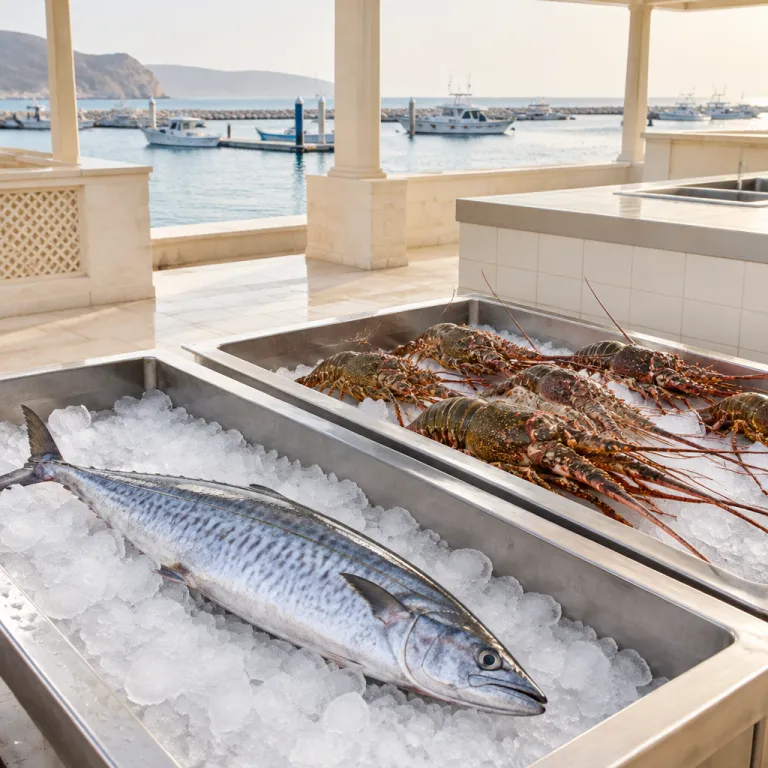
Oman seafood luxury dining as a test of true coastal luxury
On Oman’s long coastline, high-end seafood is less about chandeliers and more about the morning’s landing. The resorts that quietly set the standard for coastal seafood dining are the ones where chefs know the names of the small artisanal fishermen bringing in fish by hand, and where the menu bends to the sea’s mood rather than to a frozen shipment. For couples planning travel along the coast, the real luxury is tasting fish that was still in the water a few hours earlier.
Oman’s Ministry of Agriculture, Fisheries and Water Resources regulates key species such as kingfish and lobster with seasonal bans and size limits, and the smartest restaurants in Oman align their menus with those rules instead of fighting them. According to ministry circulars, kingfish is under a nationwide ban from 1 May to 15 October each year, covering all stages: fishing, selling and transport, and coastal chefs in Muscat and Salalah now plan menus around that window. When you sit down in a seafood restaurant and the team explains that certain dishes are not served because a species is under restriction, that is a sign of respect for the resource, not a lack of stock. This is where Omani seafood luxury becomes a story of sustainability as much as of flavour, and where a couple’s dining experience quietly supports healthier seas.
For guests choosing between coastal resorts, ask how often seafood local to the area is delivered and whether it is handled on site or via a distant processor. Properties that work with nearby landing sites, from Dhofar to Sharqiyah South, can usually tell you which fish market their kingfish or lobster passed through and at what hours it was auctioned. As one landing-site supervisor in Muttrah fish market explained, the best hotel buyers arrive before sunrise to secure fish that will be grilled and served the same evening. That level of traceability is a strong indicator that the food being served has not travelled hard and far, and it will definitely shape the freshness on your plate.
From Muscat to Salalah: where the best seafood philosophy lives
Muscat’s grand coastal resorts often headline their menus with international meat cuts, yet the most interesting restaurants in Oman quietly build their reputation on seafood local to the Gulf of Oman. A thoughtful luxury seafood program in the capital will highlight kingfish, hamour and lobster in both traditional Omani dishes and more global plates, showing confidence in the house sea rather than in imported trends. When you read a menu that lists the fish species, the landing port and sometimes even the fishing method, you are usually in the right restaurant for a serious dining experience.
On the southern coast around Salalah, the equation shifts again, because the Arabian Sea’s productivity and the nearby fish markets give chefs a different palette. Resorts near Hawana Salalah can work closely with local fishermen who land fish daily, then design dishes to be grilled and served the same evening with minimal handling. A chef in Dhofar might offer kingfish marinated with dried limes and chilli, or lobster served tangy with citrus and frankincense-infused butter, drawing directly on coastal flavours. If you are planning where to eat outside Muscat and want a deeper view of coastal hotel kitchens, a detailed guide to overlooked hotel dining from Nizwa to Salalah on myomanstay.com is an excellent starting point.
Across these regions, the best seafood restaurant teams tend to talk about seasons, not just about signature dishes, and they will definitely mention when lobster or kingfish are at their peak. Listen for references to local regulations, to specific coastal villages and to the hours when the catch is received, because those details rarely appear in marketing copy. Couples who ask these questions quickly learn which restaurants Oman offers are serious about locally landed catch and transparent sourcing, and which simply import generic seafood for a standardised experience.
Reading the plate: how to judge sourcing, handling and menus
When you sit down at a coastal restaurant in Oman, the first clues about sourcing are often hidden in the menu rather than in any glossy statement. Look for Omani seafood references such as kingfish, hamour and lobster listed by name, and for dishes that change daily according to the landing rather than a fixed set of options. A menu that proudly notes when seafood is grilled and served the same day, or when a sauce is served tangy to echo local flavours, usually signals a kitchen that respects the product.
Handling matters as much as origin, because even the best seafood can be ruined by poor storage or long delays between landing and cooking. Resorts that receive fish by hand from nearby boats can chill, clean and portion it within hours, while properties relying on distant suppliers may be working with seafood that has travelled hard across several facilities. This is where coastal fine dining becomes a quiet test of operations, and why a couple’s dinner can reveal more about a property than any spa brochure. A well-run kitchen will talk confidently about ice slurries, cold rooms and the short journey from market to grill, and that operational detail often translates directly into flavour.
Breakfast is another surprisingly sharp lens, because a luxury hotel that takes the Omani relationship with the sea seriously will often feature smoked or cured fish alongside traditional breads and dates. You might see thin slices of kingfish lightly smoked over local wood, or small reef fish preserved and served with lemon and herbs next to eggs and fresh fruit. If you want to understand how a property thinks about provenance from the first meal of the day, a detailed analysis of the Omani breakfast at a luxury hotel on myomanstay.com shows how what you eat before 9 am reveals the property. The same logic applies to lunch and dinner dishes ordered later, where the way fish is served, the balance between seafood and meat, and the clarity of information on the menu will definitely tell you whether you are experiencing Omani seafood at its best.
Omani fishing heritage and how the best kitchens honour it
Long before resorts arrived, coastal communities in Oman built their lives around the sea, with kingfish, smaller reef fish and lobster forming the backbone of daily food. Today, when a luxury restaurant in Muscat or Salalah references that heritage with Omani dishes that are grilled and served over charcoal, or with stews that are served tangy with dried limes, it is doing more than styling a plate. It is acknowledging that modern coastal seafood dining rests on generations of knowledge about when to fish, how to handle the catch and how to cook it simply.
Regulation is now part of that story, because seasonal bans on kingfish and carefully managed lobster seasons are designed to keep the house sea productive for future generations. Ministry guidance on minimum sizes and closed seasons is publicly available, and many hotel chefs now keep those circulars pinned in their kitchens. Resorts that align their menus with these cycles, sometimes shifting emphasis from seafood to meat or vegetables during sensitive periods, are quietly supporting both biodiversity and local livelihoods. Guests who ask whether certain fish are in season, or who choose dishes that highlight seafood local to the current month, become part of that co management effort without sacrificing pleasure.
Some coastal properties offer visits to nearby landing sites or to the fish market, where you can watch fish by hand being sorted, auctioned and packed for restaurants Oman wide. Standing on the quay in Muttrah or Mirbat as the sun comes up, you can smell the salt, hear the auctioneers calling prices and see boxes of kingfish and lobster loaded straight into chilled trucks bound for hotel kitchens. These experiences are rarely marketed as hard adventure, yet they may shape your understanding of Omani seafood luxury more than any polished tasting menu. If you are already exploring Oman’s new adventure tourism rules and what stricter regulations mean for your wadi hike, it is worth recognising that similar principles of respect and restraint now guide the way the best seafood is sourced and served along the coast.
Signature tables, from Bait Bahr to Hawana Salalah and beyond
Among Muscat’s coastal dining rooms, Bait Bahr has become a reference point for travellers who care about seafood experiences grounded in local waters. Here, the focus is on seafood local to the Gulf of Oman, with fish and lobster often grilled and served with minimal intervention, allowing couples to taste the sea rather than the sauce. When a restaurant like this talks openly about working with artisanal fishermen and adjusting dishes daily, it sets a benchmark for what seafood best practice can look like in a luxury context.
Farther south, the resort enclave around Hawana Salalah offers a different rhythm, shaped by the Arabian Sea and by Dhofar’s fishing villages. Properties here can build menus that respond to fish landed daily, from kingfish to smaller reef species, and they often balance seafood and meat in a way that reflects local eating habits as well as international expectations. For couples, this means that a single stay can include a relaxed seafood restaurant lunch with dishes ordered straight from the day’s catch, followed by a more formal dinner where lobster is served tangy with citrus or spices.
Not every guest will arrive from Muscat or Salalah, because some couples pair an Omani coastal stay with time in Abu Dhabi or elsewhere in the region. Those travellers often arrive with a clear sense of what high quality seafood looks like in a city setting, and they will definitely notice when restaurants Oman side handle the catch with more restraint and respect. Whether you are comparing a golden lobster plate in a Muscat restaurant to one in Abu Dhabi, or weighing a fish focused menu against a meat heavy alternative, the real measure of coastal seafood luxury is how transparently the restaurant talks about where the food was caught, how it was handled and when it was served.
FAQ
How can I tell if a resort in Oman sources seafood locally ?
Ask which landing site or fish market supplies the kitchen, and whether the fish is delivered daily or a few times per week. A serious property can usually name specific coastal villages or ports and explain the hours when the catch arrives. Menus that highlight seafood local to Oman by species and season are another strong indicator of transparent sourcing.
When are kingfish and lobster at their best in Oman ?
Kingfish and lobster are managed under seasonal rules, so availability and quality shift across the year. Guests should ask staff whether these species are currently in season and whether any bans affect fishing, selling or transport. Resorts that respect these cycles will adjust their dishes and may suggest alternative fish when stocks need protection.
Is seafood in Muscat fresher than in Salalah, or the opposite ?
Both Muscat and Salalah sit close to productive coastal waters, but the dynamics differ between the Gulf of Oman and the Arabian Sea. Freshness depends less on the city and more on how quickly a restaurant receives, chills and cooks the catch after landing. A resort that works directly with nearby fishermen in either location can offer a very high quality dining experience.
What should couples look for on a menu to judge seafood quality ?
Look for clear naming of fish species, references to local waters and indications that dishes change daily with the catch. Phrases such as grilled and served the same day, or notes about a sauce being served tangy to match Omani flavours, suggest attention to detail. Avoid menus that rely heavily on generic meat dishes while offering only a token seafood section with no information about origin.
Do luxury resorts in Oman cater to guests who prefer meat over seafood ?
Most high end coastal resorts balance seafood and meat to satisfy different tastes, especially for couples travelling together. Even properties that focus strongly on Omani seafood and locally landed catch will usually offer well executed meat dishes alongside their fish and lobster plates. The key is that seafood remains central to the identity of the restaurant, rather than an afterthought on an international menu.