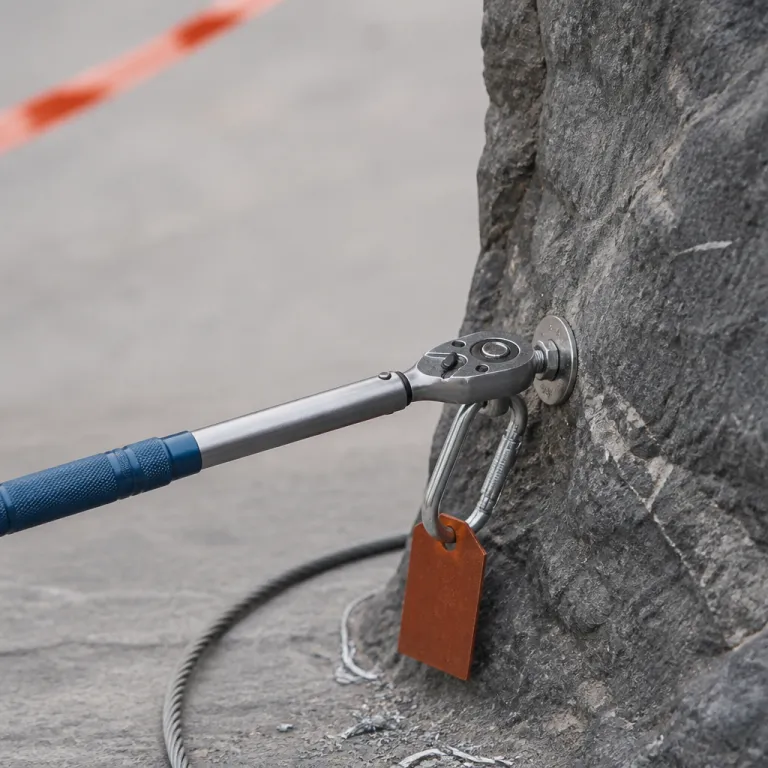
How Oman adventure tourism safety is being rewritten for luxury travelers
Oman is tightening the rules on adventure tourism, and that is reshaping how discerning travelers approach wadi hikes, desert drives, and coastal dives. The Ministry of Heritage and Tourism now requires every adventure tourism operator in the country to hold a formal license, with equipment and procedures audited under a digital system that finally matches the ambitions of the Sultanate of Oman as a premium destination. For guests booking high end hotels, this shift in Oman adventure tourism safety means your concierge can curate experiences with lower risk and higher standards, rather than relying on informal local contacts.
The regulatory update responds to rapid growth in adventure tourism across Oman, including canyoning in Wadi Shab, trekking on Jebel Shams, and snorkelling around the Daymaniyat Islands. According to figures reported by Muscat Daily, authorities have seen a 433 percent increase in licensed adventure tourism companies between 2023 and 2025, and that surge demanded clearer safety rules, better guide training, and closer coordination with Civil Defence and the Environmental Protection Agency. For travelers, especially those planning to travel Oman for a week of coastal relaxation and mountain adventure, the message is simple yet powerful: “Oman safe” is not a slogan, it is a framework backed by Omani authorities and enforced on the ground.
Under the new system, licensed operators must show documented safety protocols, maintain gear to defined standards, and respect environmental limits on group sizes in fragile areas. This is where Oman’s adventure travel regulations intersect directly with luxury hospitality, because the best hotels now partner only with operators who can prove compliance and pass regular safety audits. When you book through a trusted property, you are not just buying a room with a view of the Gulf of Oman, you are buying into a curated network where low crime, low operational risk, and high service quality are treated as non negotiable.
From Muscat lobbies to mountain trails: what the new rules change for your stay
For guests landing in Muscat and checking into a palace style resort, the first real encounter with Oman’s new safety regime for adventure tourism often happens at the concierge desk. You might arrive thinking about a simple wadi hike, but the conversation now includes licensing details, guide ratios, and whether the operator’s safety equipment has passed recent inspection by local authorities. This is not bureaucracy for its own sake, it is the country translating its reputation for low crime and calm public life into structured protections for travelers stepping off the marble floors and into the canyons.
Luxury hotels across Oman, including coastal resorts near Muscat and mountain retreats on Jebel Akhdar, have quietly reworked their preferred partner lists in response to the new framework. When you ask for travel advice about Wadi Bani Khalid or a sunset drive into the Wahiba Sands, staff will now steer you toward adventure tourism companies that can show valid entry exit permits for protected areas and proof of compliance with Ministry of Heritage and Tourism rules. If an operator cannot provide a license number or hesitates when you ask about safety checks, that is a clear signal to avoid booking, especially when you have flown across the Middle East for a safe visit that balances thrill with reassurance.
This shift also affects how you plan your itinerary before you travel Oman, particularly if you are comparing regions and properties. A smart approach is to start with a clear sense of where to stay in Oman, using a guide such as a first timer’s overview of choosing coast, mountain, or desert bases, then layer in licensed adventure options around each hub. That way, Oman’s adventure tourism safety framework becomes part of your hotel selection criteria, not an afterthought once you have already committed to a remote wadi or cliffside resort.
Wadi Shab to Jebel Shams: how regulations reshape iconic adventure areas
The new rules matter most in the places you have seen on social media, where the line between serene and risky can be thin. Wadi Shab, with its turquoise pools and narrow canyon walls, now requires licensed guides for certain routes, and Oman Police patrols coordinate with Royal Oman Police units and Civil Defence to monitor flash flood risk during the rainy season. For travelers, this means that a wadi hike booked through your hotel is no longer a casual arrangement with a local driver, but a structured outing where group sizes are controlled and safety briefings are mandatory.
On Jebel Shams, often called the Grand Canyon of the Middle East, the impact is even more visible for guests staying at luxury lodges perched near the rim. Operators offering balcony edge treks and via ferrata style routes must now pass safety audits, maintain harnesses and helmets to defined standards, and carry communication gear that connects directly with Omani authorities in case of an incident. When you ask your concierge for travel advice about the Balcony Walk trail, they will explain which companies have passed recent inspections and why some unlicensed guides are no longer allowed to operate in public areas along the cliff.
Down on the coast, the Daymaniyat Islands marine reserve has become a test case for balancing Oman adventure tourism safety with environmental protection. Diving and snorkelling operators must show permits, respect caps on daily visitor numbers, and follow strict rules on anchoring and wildlife interaction, which is a welcome change for luxury travelers who value pristine reefs as much as they value a safe visit. If you are staying at a Muscat icon such as Al Bustan Palace for a Ritz Carlton level experience in Muscat, the hotel’s preferred dive partners will already be filtered through this lens, so your only decision is whether you want a half day reef excursion or a full day island circuit.
What to ask your concierge: practical Oman adventure tourism safety questions
Luxury travelers are used to relying on concierges, but in Oman the conversation around adventure now needs to be more precise. Before you confirm any wadi hike, canyoning trip, or desert drive, ask your hotel to share the operator’s license number and the date of their last safety audit by the Ministry of Heritage and Tourism or other Omani authorities. A professional property will not hesitate, and the best teams will proactively explain how national adventure tourism safety standards shape their preferred partner list.
Next, talk through the details that directly affect your personal risk profile, especially if you are a solo female traveler or planning to travel Oman with limited previous experience in remote terrain. Ask about guide to guest ratios, the type and age of safety equipment, and whether the company carries appropriate travel insurance that covers adventure tourism activities in the Sultanate of Oman. You should also confirm how the operator communicates with local authorities, including Oman Police and Royal Oman Police units, in case of sudden weather changes or medical emergencies in remote areas.
Health and entry exit considerations belong in the same conversation, even if they feel less glamorous than choosing your suite category. Check whether any vaccinations such as yellow fever are required based on your recent travel history, and verify that your policy for travel insurance explicitly covers canyoning, off road driving, or diving in Oman as adventure tourism, not just standard tourism. A good concierge will offer clear travel advice on what to avoid, when to reconsider travel plans because of seasonal conditions, and how to monitor local updates through official channels rather than relying only on social media rumours.
Risk, reassurance, and how Oman compares with its Gulf neighbours
Oman has always felt different from some of its flashier Middle East neighbours, and the new rules around regulated adventure activities underline that distinction. Where certain destinations prioritise volume and speed, the Sultanate of Oman is choosing a slower, more controlled model that suits travelers who value low crime, respectful local culture, and carefully managed access to wild areas. When you compare a wadi hike in Oman with a dune bashing session across the border in Saudi Arabia, the contrast in regulatory oversight and guide training becomes part of your decision, not just the scenery.
For luxury guests, this emphasis on safety and structure is not about removing the sense of adventure, it is about framing it within clear boundaries. You still feel the exposure when you stand on the rim of Jebel Shams or swim through the narrow rock gate at Wadi Shab, but you do so with guides who have been vetted, equipment that has been inspected, and emergency plans that connect directly with Omani authorities. That is why many seasoned travelers now describe “Oman safe” as a lived experience, not a marketing phrase, especially when they compare it with destinations where public oversight of adventure tourism remains loose.
Hotels are leaning into this positioning by curating experiences that highlight both the thrill and the reassurance, from guided night walks in low light desert areas to controlled snorkelling trips in marine reserves. When you plan a safe visit that includes both city time and wilderness, it makes sense to anchor your stay in properties that understand Oman adventure tourism safety as part of their brand promise, not an afterthought. For more coastal inspiration that fits this philosophy, look at a curated overview of Oman beach resorts offering luxury escapes with strong safety practices, then layer in licensed adventure options around those bases.
Solo explorers, social media, and reading the fine print before you travel Oman
Independent travelers, especially solo female guests, often arrive in Oman with a list of wadi names saved from social media, where the water always looks calm and the trails always look empty. The reality on the ground is more nuanced, and staying safe now depends as much on how you interpret that content as on the regulations themselves. Use social media as inspiration, then cross check every plan with formal travel advice from your hotel, your embassy, or official Omani authorities before committing to a route.
When you book through a luxury property, ask staff to walk you through any specific risk factors for the season, including flash flood patterns, heat levels in exposed areas, and wildlife considerations in remote wadis. They will often share internal guidelines that go beyond public information, such as thresholds for cancelling canyoning trips or desert drives when conditions change quickly, and they may advise you to reconsider travel to certain valleys on particular days. This is not over caution, it is how Oman’s adventure tourism safety framework plays out in a country where weather and terrain can shift faster than your feed updates.
Before you leave home, read the fine print on your travel insurance and any waivers linked to adventure tourism activities in Oman, making sure that exclusions do not quietly undermine your sense of being safe. Pay attention to clauses around off road driving, canyoning, and diving, and confirm that the policy recognises Oman as a low crime but high exposure environment when you step into wild areas. During your stay, monitor local updates through hotel briefings and official channels rather than relying solely on social media, and remember that the best advice often comes from the local guides who pour the coffee before they start talking about the route.
How hotels vet operators: behind the scenes of Oman adventure tourism safety
Behind every seamless wadi hike arranged from a Muscat suite, there is a quiet layer of due diligence that most guests never see. Hotel teams now use official guidebooks, certified trail maps, and digital licensing tools to verify that adventure tourism partners meet the Ministry of Heritage and Tourism standards before a single traveler steps into a canyon. Internally, staff follow a simple checklist: “Verify operator licenses., Follow safety guidelines., Respect environmental rules.”
These checks extend beyond paperwork into regular conversations with local authorities, including Oman Police units and Royal Oman Police representatives involved in search and rescue or environmental monitoring. When a hotel chooses to work only with companies that embrace the new rules, it is making a clear statement about Oman adventure tourism safety as part of its brand identity, not just a legal requirement. For guests, this means that the risk you carry into remote areas is managed through a chain of responsibility that starts at the front desk and runs all the way to the canyon floor.
There are also commercial implications, because properties that invest in this vetting process can confidently market “Oman safe” experiences to international travelers who might otherwise hesitate about adventure in the Middle East. If a destination is flagged by some governments with phrases like reconsider travel for certain regions, hotels in Oman can respond with transparent explanations of how low crime rates, structured oversight, and close coordination with Omani authorities create a different reality on the ground. The result is a more mature adventure tourism ecosystem, where luxury and safety sit comfortably alongside the raw drama of wadis, cliffs, and desert horizons.
Key figures on Oman adventure tourism safety
- Licensed adventure tourism companies in Oman increased by 433 percent between 2023 and 2025, according to Muscat Daily, reflecting rapid growth that triggered the new regulatory framework.
- The Ministry of Heritage and Tourism announced stricter rules for adventure operators on 27 April in an official press statement, with a six month compliance window that pushed companies to upgrade safety equipment and procedures before the next peak season. A ministry spokesperson noted that the goal was to “align Oman’s adventure offerings with the highest international safety benchmarks.”
- The regulatory system now relies on structured methods such as licensing requirements, safety audits, and environmental assessments, supported by digital licensing tools that allow faster checks by hotels and local authorities.
- Partnerships with the Civil Defence and Ambulance Authority and the Environmental Protection Agency ensure that Oman adventure tourism safety covers both emergency response and long term preservation of fragile wadi and marine ecosystems.
Frequently asked questions about Oman adventure tourism safety
What are the new licensing requirements for adventure operators in Oman ?
According to the official guidance, “Operators must obtain licenses and adhere to safety standards.” This means every company offering activities such as wadi hiking, canyoning, diving, or desert driving must register with the Ministry of Heritage and Tourism, pass safety audits, and comply with environmental rules before taking travelers into public natural areas.
How do the new rules affect popular spots like Wadi Shab and Jebel Shams ?
In places such as Wadi Shab, Wadi Bani Khalid, and Jebel Shams, only licensed guides and companies can now operate structured hikes and technical routes. Group sizes are controlled, equipment must meet defined standards, and operators are required to coordinate with Omani authorities and local emergency services, which significantly improves Oman adventure tourism safety for visitors.
Is Oman safe for solo female travelers who want to join adventure tours ?
Oman is widely regarded as a low crime destination with a strong culture of respect in public spaces, and the new regulations further enhance safety for solo female travelers. By booking adventure tourism activities through reputable hotels and licensed operators, solo guests benefit from vetted guides, clear communication with local authorities, and structured itineraries that reduce unnecessary risk in remote areas.
Do I need special travel insurance for adventure tourism in Oman ?
Standard policies may not cover higher risk activities, so you should choose travel insurance that explicitly includes adventure tourism such as canyoning, off road desert driving, and diving. Check that Oman is listed as a covered country, confirm any yellow fever or other health related entry exit requirements based on your recent travel, and ensure that emergency evacuation from remote areas is included in the coverage.
How can I verify that an adventure operator in Oman is properly licensed ?
The most reliable approach is to ask your hotel concierge or directly request the operator’s license number and proof of recent safety audits. Licensed companies will share this information openly, and you can cross check details with the Ministry of Heritage and Tourism or other Omani authorities if needed, which aligns your plans with the broader Oman adventure tourism safety framework.