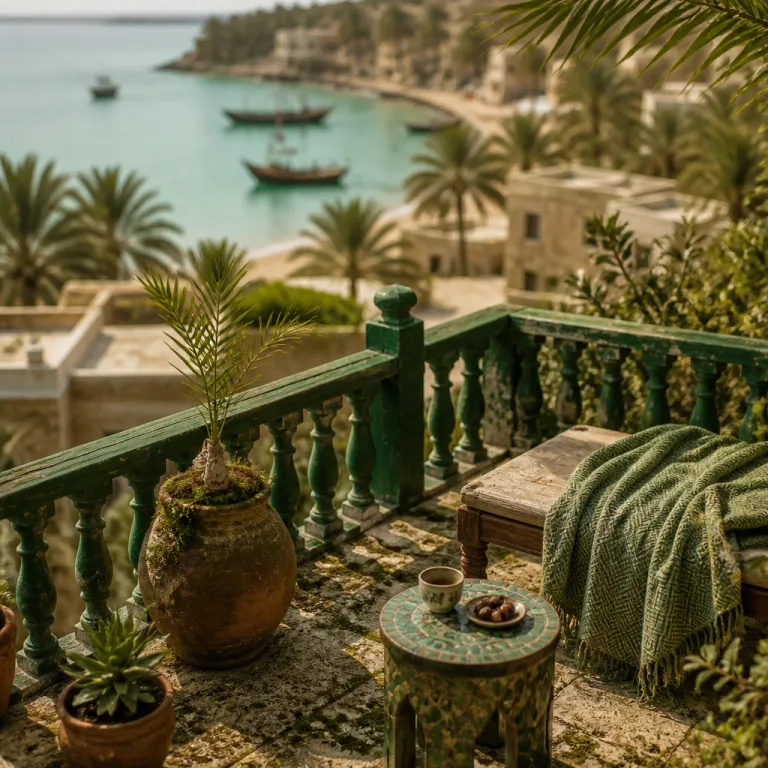
Why an oman slow travel itinerary belongs on the Al Batinah coast
Most visitors to Oman race between Muscat, the desert and the mountains in a three or four day loop. That classic Oman itinerary touches the capital, a night in the sands and a dramatic drive up to a jebel plateau, yet it glides straight past the Al Batinah coastal plain that quietly connects them. For travelers who value time, texture and a slower rhythm, an oman slow travel itinerary that anchors you for several days in one Al Batinah town offers a more grounded way to experience the country.
Look at a map of Oman and you will see how the Al Batinah strip runs between Muscat and Sohar, with the sea on one side and the Hajar mountains on the other. This is where fishing villages, date plantations and small forts sit between the highway and the shore, and where the daily life of Oman unfolds far from the curated drama of Wahiba Sands or Jebel Akhdar. Choosing one hotel for a full week here turns your trip into a study of repetition, where each day and each drive along the same stretch reveals new details rather than new check in desks.
Many business travelers land in Muscat for meetings near the Sultan Qaboos Grand Mosque or in the ministries quarter, then try to cram a desert camp, Nizwa Fort and Jebel Shams into two days. A more thoughtful oman slow travel itinerary keeps Muscat as your arrival point, perhaps with a night at a refined coastal property such as Al Bustan Palace for a coastal Muscat stay, before shifting you north along the Al Batinah coast for unhurried days. From there, day trips inland to a wadi or a small fort become gentle excursions rather than logistical puzzles, and your sense of Oman as a Middle East destination deepens with each unremarkable yet revealing day.
One hotel, one week: the luxury of staying put on the coast
Committing to a single hotel for a full week on the Al Batinah coast runs against the usual advice for an Oman itinerary. The standard pattern is to change hotels every day or two, ticking off Muscat, a desert camp in Wahiba Sands or Sharqiya Sands, then a mountain resort on Jebel Akhdar or near Jebel Shams before looping back to the capital. By contrast, a one week stay in a single coastal property trades breadth for depth, and that trade suits travelers who see luxury as time and ease rather than constant novelty.
On this stretch between Muscat and Sohar, luxury and premium options are fewer than in the capital or in the famous mountain resorts, which forces a more deliberate relationship with comfort. You might choose a high end seafront hotel with a strong spa and pool scene, or a polished mid range property with reliable service and generous rooms, then use a rental car to shape your oman slow travel itinerary around unhurried day trips. The absence of a gold leaf lobby is offset by the quiet of the shore, the predictability of the staff learning your coffee order and the way each day settles into a rhythm that hotel hopping never allows.
For business leisure travelers extending a Muscat trip, this approach is particularly effective because it simplifies logistics and maximizes restorative time. After meetings near the Grand Mosque or the Qaboos Grand Mosque complex, you can transfer along the coast in under a day and then unpack once, letting the days stretch into a pattern of early morning walks, shaded afternoons and long dinners. The key is to see the hotel not just as a base for travel but as an anchor for an oman slow travel itinerary, where repetition becomes a feature rather than a flaw.
The daily rhythm: fish markets, plantations and shorelines instead of constant transfers
Life on the Al Batinah coast is structured by the sea and the date palm, not by check out times. When you design an oman slow travel itinerary around one hotel here, your days begin to mirror that local cadence, starting perhaps with a dawn visit to the town fish market as the boats come in and ending with an evening walk along the sands. Between those moments, time stretches in a way that is rare on a tightly packed Oman itinerary.
Morning can be for short drives along the coast in your car, stopping at small harbors where fishermen mend nets, or at modest forts that once guarded this fertile plain. You might spend one day wandering through date plantations where irrigation channels cut through the sand, another day sitting in the shade of a mosque courtyard listening to the low murmur of prayer, and another simply watching the tide shift along the shore. Because you return to the same hotel each evening, the repetition of these days becomes a lens through which you notice subtle changes in light, tide and human activity that a single rushed day trip would miss.
This rhythm contrasts sharply with the usual pattern of driving from Muscat to Wahiba Sands for a night in a desert camp, then up to Jebel Akhdar or Jebel Shams for a mountain stay before racing back to Muscat for a final night. There is nothing wrong with that route, and for some travelers the drama of a wadi hike or a fort visit every day is the point of the trip. Yet for those who see travel as a way to slow their own internal pace, the Al Batinah coast offers a quieter, more sustainable way to spend several days in Oman, especially when paired with a refined waterfront stay in the capital such as the properties featured in this guide to Muscat waterfront hotels.
Weaving classic Oman highlights into a coastal slow stay
Choosing one hotel on the Al Batinah coast for a week does not mean abandoning the classic highlights that draw travelers to Oman. With a well planned car rental and an early start, you can still fold key experiences into your oman slow travel itinerary as carefully chosen day trips rather than a continuous loop of hotel changes. The difference lies in how you pace those days and how you return each evening to the same familiar room and staff.
From a coastal base north of Muscat, you can drive into the interior for a full day at Nizwa, exploring Nizwa Fort and the surrounding souq before returning to the sea at night. Another day might take you further to Bahla Fort, a UNESCO listed stronghold, or to the terraced village of Misfat Abriyyin, where stone houses cling to the hillside and falaj irrigation channels feed date palms. If you are willing to start before dawn, even the dramatic canyons of Jebel Shams or the cool air of Jebel Akhdar can be reached as ambitious but rewarding day trips, leaving your desert camp fantasies for another journey.
Coastal excursions can also echo the more famous wadi and desert experiences without requiring a full relocation to Wahiba Sands or Sharqiya Sands. While the celebrated Wadi Shab, Wadi Tiwi, Wadi Bani Khalid and the Bimmah Sinkhole sit further down the coast from Muscat, their presence in any Oman itinerary is a reminder that water and rock define this country as much as sand. You might choose to keep those wadis for a future trip and instead spend your days exploring quieter coastal inlets, or plan a separate two or three day extension from Muscat that combines a stay at a refined oceanfront property in Al Mouj, such as those highlighted in this guide to refined oceanfront stays in Al Mouj Muscat, with a focused visit to Wadi Shab and the surrounding area.
How Al Batinah slow travel fits the business leisure mindset
For executives who travel frequently across the Middle East, the idea of yet another rushed multi stop itinerary can feel more exhausting than enticing. An oman slow travel itinerary built around one hotel on the Al Batinah coast aligns better with the realities of business travel, where mental bandwidth is limited and the value of stillness is high. Instead of packing every day with a new check in, you create a pattern of work, rest and gentle exploration that respects both your schedule and your energy.
Many conferences and corporate meetings in Muscat cluster around the ministries district, the airport corridor and the area near the Sultan Qaboos Grand Mosque, which makes a post work transfer to the coast straightforward. After two or three days of meetings, you can move to your chosen coastal hotel and let the next four or five days unfold at a slower pace, with optional drives to nearby towns, forts or plantations. The hotel becomes a hybrid space where you can take calls from a shaded terrace in the morning, swim in the afternoon and then walk along the sands at sunset, all without the cognitive load of constant packing.
This approach also reframes what luxury means in Oman, shifting the focus from headline experiences such as a night under the stars in Wahiba Sands or a cliffside suite on Jebel Akhdar to the quieter privilege of time and continuity. You still have the option to add a focused desert camp stay or a mountain day trip if your schedule allows, but they become accents rather than the spine of the journey. In a country where the presence of the sea, the wadi and the mosque shapes daily life as much as any landmark, staying put on the Al Batinah coast for a week may be the most honest way to feel how Oman actually lives.
FAQ
Is the Al Batinah coast suitable for a first time trip to Oman ?
The Al Batinah coast works well for a first time trip if you are comfortable trading a packed checklist for a slower rhythm. You can still integrate classic highlights such as Nizwa Fort or a visit to the Grand Mosque in Muscat as day trips while using one coastal hotel as your base. This structure creates an oman slow travel itinerary that balances gentle daily life on the shore with a few carefully chosen excursions.
Do I need a car to follow an oman slow travel itinerary on the Al Batinah coast ?
A rental car is highly recommended because public transport along the Al Batinah coast is limited and not geared to visitors. Having your own car allows you to plan flexible day trips to inland forts, plantations or small towns without relying on fixed tours. It also lets you adjust your days according to the weather, your energy and any local recommendations from hotel staff.
Can I still visit the desert and mountains if I stay one week in a single coastal hotel ?
Yes, but you will need to be selective and realistic about driving times and your own stamina. From the Al Batinah coast, ambitious travelers can reach Jebel Shams or Jebel Akhdar as long day trips, though many prefer to keep those areas for a future journey focused on the interior. Desert experiences in Wahiba Sands or Sharqiya Sands are better enjoyed as overnight stays from Muscat, so consider whether they fit your current schedule or belong in a separate Oman itinerary.
How does the Al Batinah coast compare with Muscat for hotel choice and service level ?
Muscat offers a wider range of luxury and premium hotels, from large international brands to refined coastal properties with extensive facilities. The Al Batinah coast has fewer high end options, which means you may choose between a smaller selection of upscale and mid range hotels, but service is often warm and personal. For travelers who value familiarity and a quieter atmosphere, this narrower choice can actually enhance an oman slow travel itinerary.
Is the Al Batinah coast a good option for combining work and leisure ?
The coast is well suited to business leisure travelers who need reliable connectivity and calm surroundings. Many hotels offer solid Wi Fi, comfortable workspaces and easy access to the highway back to Muscat, making it simple to balance remote work with unhurried exploration. By staying in one hotel for several days, you reduce logistical friction and create a more sustainable pattern of work, rest and travel.