Oman tourism development 2026 and the new map of luxury stays
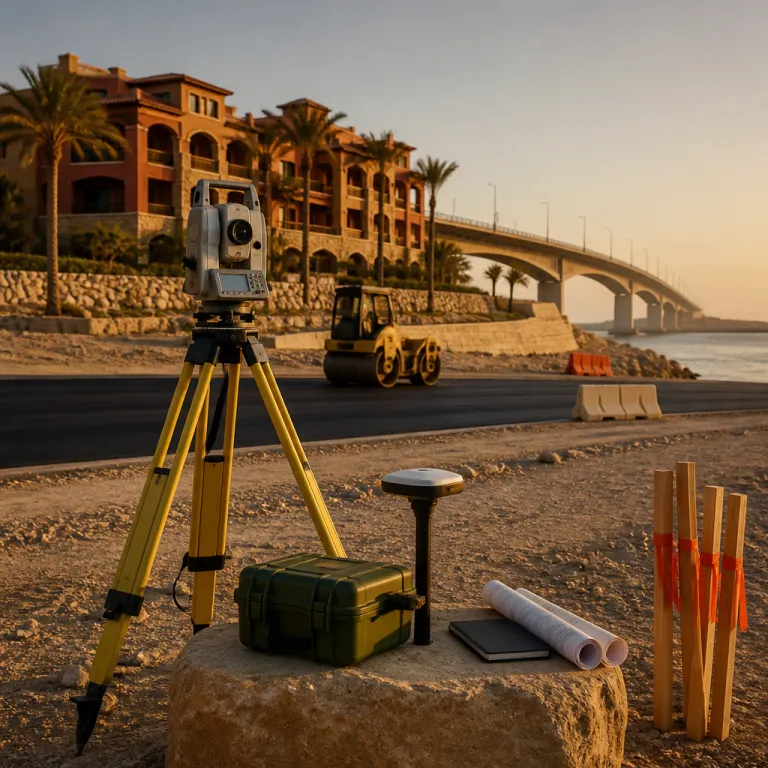
Oman tourism development 2026 is not a slogan, it is a structural shift in how the tourism sector welcomes you from airport gate to hotel pillow. As the government aligns Vision 2040 with targeted tourism oman strategies, every new road, cable car and hotel establishment is designed to drive long term economic growth while keeping the country’s quiet elegance intact. For luxury travelers, that means your next travel tourism itinerary through oman will feel smoother, more connected and far more curated than a few year ago.
The tourism sultanate is using infrastructure as a precise tool, not a vanity project, to shape where tourist flows go and how services are delivered in each region. In Muscat, Salalah and the interior, new hotel establishments and upgraded adventure tourism access points are being positioned to increase gdp contribution and job creation without overwhelming fragile landscapes. This oman move is central to tourism aiming at higher value visitors who stay longer, spend more and respect local heritage tourism traditions.
For solo travelers, the impact of oman tourism development 2026 is especially clear because you feel every friction point in a journey. Streamlined licenses for tourism businesses, better digital services and more international air capacity reduce the small frictions that used to make independent travel in the middle east feel logistically complex. As foreign and domestic investors respond to attract investment incentives, expect more cutting edge hotel options and adventure experiences that still honour the ministry heritage priorities around culture and landscape.
Muttrah cable car and Muscat’s new cultural axis
The Muttrah Teleferik cable car is the most visible symbol of oman tourism development 2026 in the capital, quietly redefining how you move between Muscat’s harbour, hills and heritage quarters. Spanning roughly 3 km with three stations and a projected capacity of millions of passengers per year, it will turn what was once a car dependent hop into a scenic glide over the corniche and old souq. For a luxury hotel guest, that means you can step out of a beachfront hotel establishment and be in the middle of Muscat’s cultural life without negotiating taxis or traffic.
This new axis matters for the tourism sector because it links key heritage tourism sites with modern services in a single, legible line. When you stay at an iconic property such as Al Bustan Palace in Muscat, the cable car and upgraded roads shorten the psychological distance between resort seclusion and the lived city. That shift supports business tourism meetings in the morning, a ministry heritage museum visit in the afternoon and an impromptu adventure into Muttrah’s alleys by evening.
From an economic perspective, the Muttrah project is part of a broader tourism oman strategy to spread tourist spending beyond hotel lobbies into local cafés, galleries and small business establishments. Easier movement encourages foreign and regional visitors from across the middle east to extend their stay by another night or two, which compounds gdp contribution and supports long term job creation in urban neighbourhoods. For you as a traveler, oman tourism development 2026 around Muttrah simply means more reasons to linger, with better services and safer late night returns to your hotel.
Salalah, Ateen Natural Park and the khareef capacity revolution
In Salalah, oman tourism development 2026 is anchored by two intertwined moves : aviation expansion and the creation of Ateen Natural Park as a structured green lung for the khareef season. Airlines and the national carrier have added more than half a million seasonal seats, turning Salalah from a niche monsoon escape into a middle east summer alternative for international travelers. That surge in travel tourism demand would be unmanageable without new public spaces, so the government has invested heavily in Ateen to absorb crowds while protecting fragile wadis and coastal zones.
Ateen Natural Park, spread across hundreds of thousands of square metres, is designed as a calibrated response to tourism growth rather than a simple leisure park. Its walking paths, viewpoints and services clusters are laid out to channel tourist flows, which helps nearby hotel establishments maintain a sense of calm even at peak khareef. For luxury properties, this is where oman tourism development 2026 becomes tangible : guests can enjoy curated adventure tourism experiences by day, then retreat to quiet suites without feeling the pressure of mass tourism at the gate.
The aviation and park investments also reshape business tourism and heritage tourism patterns in Dhofar, encouraging conferences and cultural events outside the traditional high season. As more foreign visitors arrive from the united kingdom, Europe and the wider middle east, Salalah’s hotel sector is responding with new openings and upgraded services that match international expectations. If you are planning a solo trip, keep an eye on emerging properties and compare them with established coastal resorts and refined urban stays such as the Ritz Carlton experience in Muscat to calibrate your comfort level.
The hotel pipeline, rates and what it means for your booking
The hotel pipeline linked to oman tourism development 2026 is substantial, with thousands of new rooms planned across dozens of projects in Muscat, Salalah and the interior. For travelers, that translates into more choice across the hotel sector, from clifftop retreats on Jebel Akhdar to urban business tourism properties near ministries and financial districts. As supply increases, rate dynamics will shift, and discerning guests will be able to trade a little opening phase buzz for more competitive pricing and value added services.
From an economic growth standpoint, each new hotel establishment is a node in a wider network of tourism services, transport links and licensed activity providers. The government has streamlined tourism licenses and business licenses to attract investment from both domestic and foreign groups, while keeping a close eye on quality standards and gdp contribution. For you, that means more internationally branded establishments alongside independent Omani owned hotels, all operating under a clearer regulatory license framework that protects safety and service levels.
Solo travelers should read oman tourism development 2026 as an invitation to be strategic about timing and location. Early in a property’s life cycle, you may find cutting edge design and generous opening offers, while established hotels leverage their reputation and refined service culture to justify premium rates. Use in depth reviews and curated guides such as our piece on refined resort experiences in the region to benchmark what genuine luxury feels like before you commit to a new address.
Vision 2040, regulation and the solo traveler’s advantage
Oman tourism development 2026 sits inside a longer arc : Vision 2040 treats tourism as a strategic economic sector, not a side activity. The ministry heritage and tourism works in tandem with transport, environment and finance authorities to ensure that every new road, airport expansion and hotel establishment supports long term sustainability. This integrated approach is why tourism aiming at higher value segments is tied directly to policies on job creation, skills training and regional economic growth.
For business tourism and leisure travel alike, the regulatory environment is becoming more transparent, with clearer tourism licenses, safety standards and environmental requirements for adventure tourism operators. International investors from the united kingdom, Europe and Asia see this as a signal that the tourism sultanate is serious about stability and returns, which encourages them to attract investment capital into high quality establishments rather than speculative builds. As a traveler, you benefit from better vetted services, more accountable operators and a tourism oman ecosystem that values reputation over quick wins.
Solo explorers are particularly well placed to ride the wave of oman tourism development 2026 because they can pivot quickly to emerging destinations and new openings. While large groups often default to the same coastal corridors in the middle east, independent travelers can follow the latest travel updates on new roads, heritage tourism circuits and adventure routes into the interior. Each oman move in infrastructure subtly shifts the map, and those who pay attention will find quieter wadis, more personal service and hotel teams who still have time to share stories over coffee.
How to choose your hotel in the middle of rapid change
With oman tourism development 2026 accelerating, choosing the right hotel becomes less about brand recognition and more about context. Ask how each property connects to new infrastructure : is there fast access to the Muttrah cable car, upgraded highways to the mountains or improved links to Salalah’s khareef zones. The best establishments will be transparent about their location advantages and the specific services they offer for adventure tourism, heritage tourism and business tourism guests.
Look closely at how a hotel establishment talks about sustainability, community links and oman tourism development 2026 in its own narrative. Properties that reference Vision 2040, local job creation and partnerships with licensed tour operators are usually more aligned with the tourism sector’s long term direction. This alignment matters because it often correlates with better staff retention, more authentic cultural programming and a deeper understanding of what makes oman distinct within the middle east.
Finally, use the current wave of growth to your advantage by comparing offers across several hotels in each destination. In Muscat, weigh a grand coastal hotel against a quieter urban property that sits closer to new cultural corridors and business districts. In Salalah and the interior, balance your appetite for cutting edge design with the reassurance of seasoned service, remembering that the most memorable stays in oman often come from the establishments where the coffee is poured before the question is asked.
FAQ
How will oman tourism development 2026 change my experience in Muscat ?
You will notice smoother movement between coastal resorts, the old city and cultural sites thanks to projects such as the Muttrah Teleferik cable car and upgraded roads. These investments shorten transfer times, reduce reliance on taxis and make it easier to combine beach time with heritage visits in a single day. For hotel guests, that means more flexibility and less time lost in traffic.
Is Salalah ready for more tourists during the khareef season ?
Salalah is significantly increasing its capacity through expanded aviation seats and the development of Ateen Natural Park as a structured space for seasonal crowds. This combination helps protect sensitive natural areas while giving visitors more organised walking routes, viewpoints and services. Luxury hotels benefit from better crowd management, which keeps their immediate surroundings calmer even at peak times.
Will hotel prices in Oman go down as more rooms open ?
As thousands of new rooms enter the market, competition will increase, especially in Muscat and Salalah. You can expect more varied pricing, with attractive opening offers at new properties and value added packages at established hotels. However, truly exceptional locations and consistently high service levels will continue to command premium rates.
What does Vision 2040 mean for responsible tourism in Oman ?
Vision 2040 treats tourism as a core economic sector while insisting on environmental protection and cultural preservation. This leads to stricter licensing for operators, more emphasis on local employment and careful planning of infrastructure in sensitive areas. For travelers, it translates into safer adventure options, more authentic cultural experiences and a clearer sense that their spending supports long term community benefits.
Is Oman a good choice for solo luxury travelers ?
Oman is particularly well suited to solo luxury travelers who value calm, safety and authentic encounters. Ongoing infrastructure upgrades reduce logistical friction, while the hospitality culture remains personal and understated. With more high quality hotels and better connections between regions, independent travelers can design nuanced itineraries that move easily from coast to mountains and desert.
References
Oman Observer (Muttrah Teleferik project overview and capacity data)
Connecting Travel (Ateen Natural Park investment and hotel pipeline analysis)
Official communications from Oman’s Ministry of Heritage and Tourism (Vision 2040 tourism framework)