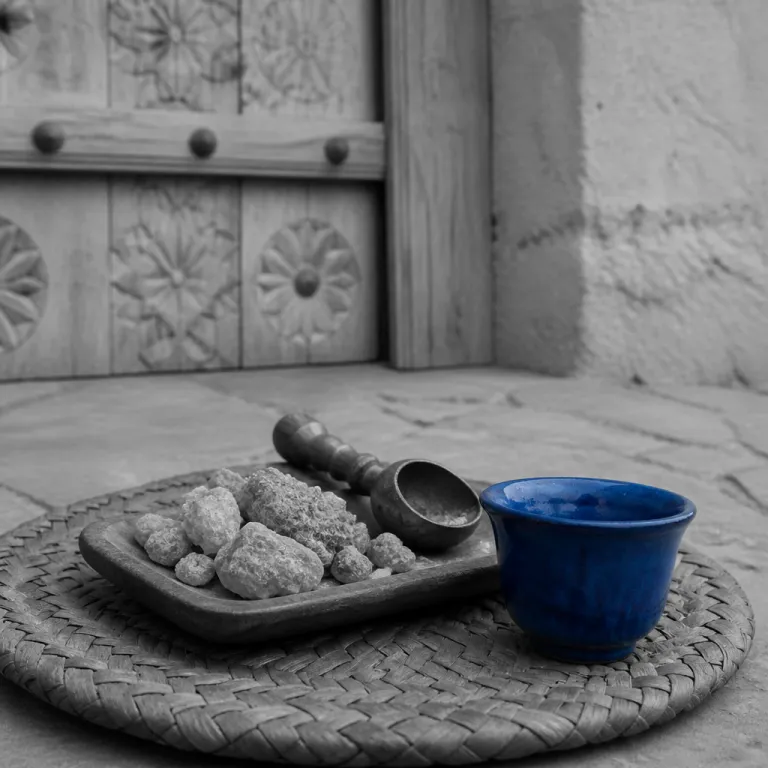
Why oman heritage tourism experiences now start beyond the hotel lobby
Luxury travelers arrive in Oman expecting polished service, but the most resonant memories rarely come from a marble lobby. The new wave of oman heritage tourism experiences is being shaped by local Omani guides and entrepreneurs who operate outside traditional hotel tour desks, giving visitors direct access to the country’s rich history and living culture. For business leisure guests extending a Muscat trip, this shift means your most meaningful encounters with the sultanate can now be curated as precisely as your room category.
Oman’s Ministry of Heritage and Tourism has quietly built an ecosystem where certified guides, artisans and storytellers design their own cultural experiences. Through platforms such as Experience Oman and specialist networks like guideon.om, visitors can explore curated itineraries that move from a restored fort to a family run date farm, or from a coastal museum to a hidden wadi, without relying on generic hotel tourism desks. According to Ministry briefings in 2023, the Experience Oman platform already lists more than two hundred tourism providers, over three hundred fifty experiences, dozens of curated packages and well above one hundred forty hotels, figures detailed in the official Tourism Experience Creators programme overview on the Ministry’s website. This model respects the environment and channels spending into communities, while still meeting the high expectations of travelers used to five star structure and safety.
For a luxury hotel booking website, the implication is clear and strategic. The most compelling oman heritage tourism experiences now sit alongside room types and suites as essential trip components, not optional extras. When you book a Muscat or Nizwa stay through a platform such as myomanstay.com, the real value comes from pairing a sea view or mountain view with a privately guided cultural site visit, a museum studio session or a wadi walk that reveals how oman rich traditions still shape daily life in the sultanate.
From concierge lists to community creators: how the new system works
Hotel concierges in Oman remain invaluable for last minute restaurant reservations and airport transfers. Yet when it comes to deep heritage, the most nuanced oman heritage tourism experiences are now being crafted by certified local Omani guides who operate as independent experience creators. These professionals blend formal training with lived Omani knowledge, turning a standard fort tour or souq stroll into a layered narrative of trade routes, tribal alliances and coastal history.
The Ministry’s Tourism Experience Creators programme connects these guides and artisans with digital platforms, allowing visitors to browse experiences by region, theme and duration. To gain certification, guides typically complete Ministry approved training modules, pass an assessment on Omani history and safety standards, and renew their licence every two years, a process outlined in the 2023 briefing. In practice, this means you can plan a half day immersion that starts at a historic site, continues through a living neighbourhood and ends with a private tasting of Omani coffee and halwa, all booked as seamlessly as your suite.
For travelers who want to explore markets and living traditions with their family, pairing a Muscat or Nizwa hotel with a specialist experience creator is particularly effective. One useful primer is this guide to Oman’s living souq traditions with children, which shows how cultural environments can be made engaging without diluting authenticity. As one Mutrah based guide, Salim Al Hinai, notes, “Children remember the smell of frankincense and the stories behind each alley more than any museum label.” When you align your hotel booking with these curated experiences, you move beyond surface level tourism and into encounters that reveal Oman’s rich heritage and complex history in ways a standard group tour rarely achieves.
Rustaq’s museum studio and the rise of immersive heritage hubs
Rustaq, set inland from Oman’s northern beaches, offers a compelling template for future oman heritage tourism experiences. Here, the Integrated Tourism Station near the famed hot springs has evolved into a museum studio concept, where visitors can move from curated exhibits on Omani silverwork and traditional clothing to live demonstrations of local cuisine and crafts. The proximity to Rustaq fort and the surrounding date plantations creates a compact cultural landscape that rewards slow, attentive exploration.
Within this environment, heritage is not presented as static history behind glass. Instead, guests are invited to explore how Omani identity is expressed through textiles, jewellery, coffee rituals and seasonal agriculture, often guided by community members who have lived this culture rather than studied it from afar. A Rustaq based curator describes the space as “a working studio where the stories are still being written,” and visitors frequently recall the sound of coffee beans roasting or the feel of hand woven fabric as vividly as the fort’s stone walls. For business travelers based in Muscat, Rustaq works beautifully as a half day or full day trip, combining a museum visit, a historic fort walk and time at the hot springs, before returning to the calm of a capital city hotel.
Coastal luxury properties are also rethinking their role in this ecosystem. Resorts along the Gulf of Oman, including high end openings such as Anantara’s Bandar Al Khairan, increasingly position themselves as gateways to understated cultural immersion rather than as isolated beach enclaves, a perspective explored in depth in this analysis of why coastal Oman is the anti Dubai luxury bet. When you combine a stay at such a property with a Rustaq museum studio visit or a guided wadi walk, you experience both the physical beauty of the sultanate and the rich history that underpins its understated approach to tourism.
Designing high impact half day immersions for business leisure travelers
Executives extending a Muscat conference stay rarely have the luxury of long overland journeys. The strength of the new oman heritage tourism experiences lies in their modular design, which allows visitors to book tightly curated half day immersions that still feel expansive and meaningful. A morning might begin with a private tour of a historic Muscat fort or museum, continue through an old quarter where Omani families still trade, and end with a guided tasting of regional coffee and dates before an afternoon flight.
Community based initiatives such as the Ghudu project in Dhofar and certified guide networks accessible through guideon.om demonstrate how local expertise can be structured for time poor but curious travelers. These experiences often combine a single anchor site, such as a coastal fort or wadi viewpoint, with layered storytelling about Oman’s rich history, maritime trade and tribal alliances, ensuring that even a short trip leaves a lasting impression. For families or executives traveling with children, itineraries like the Sharqiya Sands family route, detailed in this family itinerary that does not cut corners, show how desert environments and cultural encounters can be woven together without sacrificing comfort.
When booking a luxury hotel through a platform such as myomanstay.com, the most effective strategy is to treat experiences as core components rather than afterthoughts. Select a Muscat, Nizwa or Salalah property that aligns with your schedule, then layer in one or two focused oman heritage tourism experiences that match your interests, whether that means a museum studio session, a guided wadi walk or a coastal heritage tour. This approach respects both your time and the environment, while ensuring that the sultanate’s rich heritage is not reduced to a lobby display or a generic brochure.
Choosing and booking the right community guide for your stay
The most successful oman heritage tourism experiences begin with the right guide. Certified local Omani guides bring a level of nuance and cultural fluency that no hotel concierge, however polished, can replicate, especially when you want to explore sensitive heritage topics or visit communities off the standard tourism grid. Platforms such as guideon.om and Experience Oman help visitors filter by language, region and theme, ensuring that your chosen expert matches both your interests and your preferred pace.
When evaluating options, look for experiences that clearly state group size, walking distance and the balance between indoor museum time and outdoor site visits, particularly in hotter months. Community based tourism in Oman has grown precisely because visitors increasingly seek authentic, small scale encounters that respect local norms and the environment, rather than large buses converging on the same fort or wadi viewpoint. As one official guidance note from the Ministry of Heritage and Tourism puts it, “Engage with certified local guides” and “Respect cultural norms”, a concise summary of how to approach oman heritage tourism experiences with both curiosity and care.
For luxury travelers, the goal is not to collect as many sites as possible, but to engage deeply with a few. A single afternoon spent with a skilled guide in an old quarter, a coastal village or a mountain wadi can reveal more about Oman’s rich heritage than several days of unstructured wandering between beaches and malls. By aligning your hotel booking with these curated experiences, you allow the sultanate to unfold at its natural pace, guided by people for whom this rich history is not a performance, but a lived environment.
FAQ
How can I find certified local guides in Oman for cultural experiences ?
The most reliable way to find certified local Omani guides is to use dedicated platforms that verify credentials and list structured experiences by region and theme. Services such as guideon.om and the Experience Oman platform connect visitors with professionals who specialise in heritage, nature and community based tourism. Many luxury hotel booking websites now integrate these options directly into their trip planning tools, allowing you to align guide availability with your stay dates.
What types of oman heritage tourism experiences do community guides offer ?
Community guides in Oman offer a wide spectrum of heritage focused activities, from historic fort and museum tours to wadi walks, coastal village visits and hands on craft sessions. Some specialise in specific regions, such as Dhofar’s frankincense trail or Musandam’s fjord side villages, while others focus on urban environments like Mutrah and Nizwa. A typical privately guided cultural walk might last two to four hours, with pricing scaled to group size, reflecting the personalised storytelling and access that these curated experiences provide.
Are these community based experiences suitable for short business trips ?
Yes, many oman heritage tourism experiences are designed as half day or even two hour modules that fit neatly around meetings or conferences. In Muscat, for example, you can schedule a morning museum and old town walk, or an evening coastal heritage tour, without disrupting a packed agenda. The key is to book in advance through a platform or hotel partner that understands business leisure schedules and can coordinate transfers, timings and any necessary permits.
How do these experiences support local communities in the sultanate Oman ?
When you book directly with certified local guides and community projects, a significant share of your spending remains in the neighbourhoods you visit. This supports small businesses, artisans and family run initiatives, reinforcing the value of preserving heritage sites, traditional crafts and cultural practices. The Ministry’s Tourism Experience Creators programme was explicitly designed to enhance cultural understanding while strengthening local economies, making each well chosen experience a form of responsible tourism.
What should I keep in mind to respect Omani culture during these tours ?
Respectful dress, especially in historic or religious areas, is essential, with shoulders and knees covered for both men and women. Always ask before photographing people, avoid intrusive behaviour in residential areas and follow your guide’s advice on appropriate conduct at sites such as forts, mosques and family run farms. Simple gestures, such as accepting offered coffee or dates and learning a few Arabic greetings, go a long way toward building genuine connections during your oman heritage tourism experiences.