Omani food luxury hotel culture: from lobby welcome to last course
Oman has reached a turning point where the omani food luxury hotel scene finally trusts its own pantry. In Muscat and along the coast, every luxury hotel now treats traditional omani recipes not as themed-night curiosities but as the backbone of serious dining, giving guests a deeper experience of the country before they even leave the property. For couples planning a stay, choosing the right hotel in oman now means thinking as much about shuwa and halwa as about rooms and spa menus.
Across Muscat, from the chedi muscat to Al Bustan Palace, a Ritz Carlton palace ritz icon, executive chefs work with local farmers and culinary historians to refine heritage dishes without losing their soul. Omani luxury resorts are described as “Culinary innovators” and local chefs as “Cultural preservers” in the current culinary revival, and that partnership shows in how each resort offers tasting menus that move confidently between frankincense scented desserts and charcoal grilled kingfish. This shift is not about a gold leaf lobby but about an omani food luxury hotel philosophy where the first kahwa poured in the lobby quietly opens a window onto centuries of hospitality.
For many guests, the welcome tray of dates and kahwa in their rooms is the first signal that this is not a generic Middle East resort. At a serious luxury hotel in oman, that ritual is handled with the same precision as a wine pairing, with staff explaining the spices in the coffee and the provenance of the dates so the experience feels intimate rather than scripted. When you book rooms suites in Muscat or at a mountain akhdar resort, ask in advance how the property integrates traditional omani elements into its dining, spa rituals and even private beach service, because the most rewarding stays are those where culture and comfort share the same table.
Shuwa at altitude and by the sea: where the 24 hour lamb truly belongs
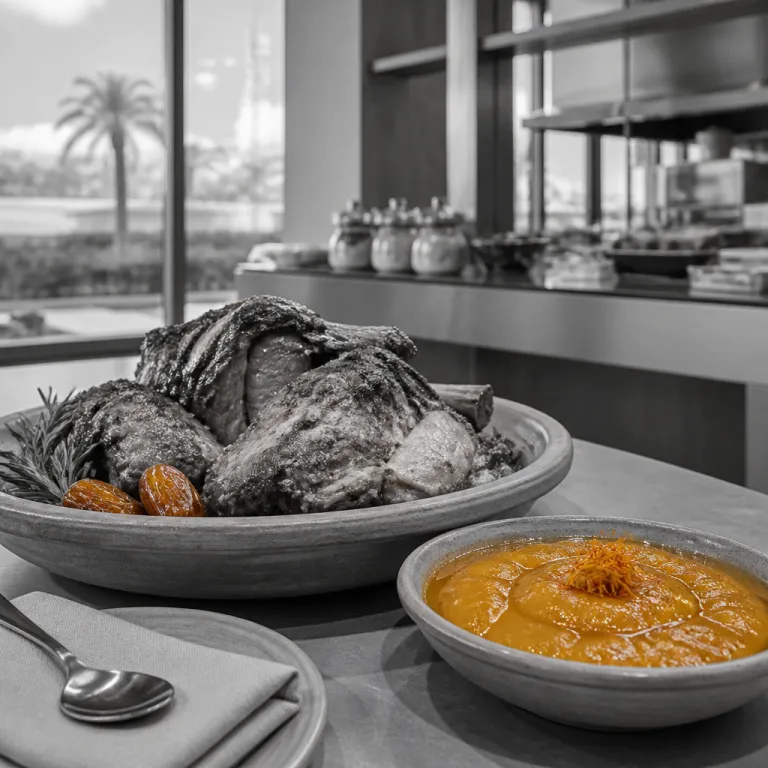
Shuwa is the dish that defines omani food luxury hotel ambition, because it demands time, patience and respect for ritual. Traditional shuwa is slow cooked lamb marinated with spices, wrapped in banana leaves and buried in an underground sand oven for up to twenty four hours, and the best luxury hotel kitchens in oman now reproduce that method with almost scholarly care. When you see it on a resort menu, you are not just ordering lamb but buying into a full day of preparation that begins long before you arrive from Muscat airport.
In the hajar mountains, properties such as anantara jabal akhdar resort and alila jabal akhdar have turned shuwa into a signature of their cliffside dining, serving it on terraces that open toward the mountains and the distant terraces of jabal akhdar. Here the omani food luxury hotel experience is about contrast, with the deep earthiness of the meat set against cool night air and views that open window like frames over the canyons. Couples can often arrange a private shuwa dinner, with the lamb unearthed beside them and plated at the table, which transforms a traditional omani family feast into a quiet, romantic ritual.
Down on the coast, Al Bustan Palace, a Ritz Carlton bustan palace landmark near Muscat, uses its bay side setting to pair shuwa with grilled local seafood, showing how a palace ritz style property can still feel rooted in place. At the chedi muscat, the omani food luxury hotel narrative runs through beachside grills where shuwa shares space with regional mezze, while at more remote spots like Zighy Bay and the senses Zighy style retreats, chefs sometimes stage shuwa on the sand itself so guests can feel the heat rising from the beach. If you are comparing resort offers, look for those that mention shuwa classes or demonstrations, because “What is shuwa?” and “Which resorts offer traditional Omani cuisine?” are questions that the most confident properties now answer with immersive, hands on experiences.
For a deeper look at why hotel restaurants often outshine standalone venues in this part of the world, read this guide to Oman’s hotel dining strengths, then shortlist the resorts whose chefs talk most passionately about their sand ovens and spice blends. Those are usually the kitchens where shuwa is treated as a living tradition rather than a themed buffet centrepiece. Once you arrive, do not hesitate to ask to see the underground oven or to meet the team, because the best luxury hotel chefs in oman are proud to explain how they balance authenticity with modern food safety and presentation.
Kahwa, dates and frankincense: reading the language of Omani hospitality
The first taste of omani food luxury hotel culture is rarely a plated dish, but a small cup of kahwa and a handful of dates offered almost before you have spoken. This gesture is more than a welcome drink, because in oman the way coffee is poured, refilled and declined forms a quiet language of respect between host and guest. At a serious luxury hotel in Muscat or in the mountains, staff are trained to maintain that rhythm so international guests can feel the ceremony without needing to understand every nuance.
In properties such as the chedi muscat, Al Bustan Palace, a Ritz Carlton icon, and the newer coastal resorts near Muscat bay, kahwa service often extends beyond the lobby into the spa relaxation lounges and private beach cabanas. Couples might be offered spiced coffee infused with cardamom and sometimes frankincense before a treatment, linking omani food luxury hotel rituals with wellness in a way that feels quietly luxurious rather than theatrical. Some resorts in oman now host short kahwa workshops where local experts explain why the pot is held a certain way and how many dates to take, turning a simple drink into a cultural masterclass.
Frankincense itself has become a signature of the omani luxury resort experience, drifting from spa corridors into dining rooms and even cocktail bars. At several Muscat hotel lounges, bartenders use frankincense smoke to scent glasses for date based cocktails, while pastry chefs fold its resinous notes into ice creams and halwa inspired desserts. If you are planning a romantic dinner in Muscat, consult this insider map of where to eat in Muscat for a romantic evening, then choose a restaurant where kahwa, dates and frankincense appear not just as props but as integral parts of the menu narrative.
Dress code expectations remain relaxed but respectful across most luxury hotel dining rooms in oman, with smart casual attire usually sufficient even in palace ritz level venues. When you reserve, ask whether the restaurant has a specific dress code for terrace dining or for special omani themed nights, because some Muscat properties still request long trousers for men in their most formal rooms suites. Whatever you wear, the constant will be that small cup of kahwa, refilled until you gently tilt it to signal you have had enough, a tiny gesture that says you have learned to read the local language of welcome.
Halwa, coastal resorts and the rise of Omani dessert menus
Halwa is to oman what crème brûlée is to France, a national sweet that every omani food luxury hotel now feels obliged to honour yet reinterpret. Traditional Omani halwa is made from sugar, ghee, rose water, saffron and nuts, and the best hotel pastry chefs treat that formula as a starting point rather than a constraint. For couples with a sweet tooth, the most interesting resort offers are often those that include halwa tastings or dessert pairings rather than only spa credits and late check out.
Along the coast near Muscat bay and further north toward Zighy Bay, pastry teams at high end resorts fold halwa flavours into everything from ice cream to millefeuille, creating desserts that feel both familiar and distinctly omani. At Al Bustan Palace, a Ritz Carlton bustan palace landmark, halwa appears on the menu in both classic form and as a delicate mousse, while at the chedi muscat the omani food luxury hotel approach leans toward lighter, plated desserts that balance sweetness with citrus and spice. In the hajar mountains, anantara jabal akhdar resort and alila jabal akhdar sometimes serve halwa warm after shuwa feasts, letting the sugar and ghee echo the embers of the underground oven.
Beyond halwa, many luxury hotel kitchens in oman now build entire dessert courses around local ingredients such as dates, honey and rose water, often paired with kahwa or frankincense infused tea. This is where the omani food luxury hotel philosophy becomes clearest, because chefs are no longer importing identity from Paris or Tokyo but drawing it from nearby farms and wadis. For guests, that means a tasting menu where every course, from shuwa to halwa, tells a coherent story about place rather than a tour of global clichés.
If you are comparing properties on a site like myomanstay.com, pay attention to how each hotel describes its dessert program and whether it mentions traditional omani sweets by name. A resort that highlights halwa, dates and local honey in its dining copy usually cares more about provenance than one that lists only generic chocolate fondants. To explore which luxury hotel offers align best with your tastes and travel style, consult this refined guide to premium hotel offers in Oman and then cross reference it with menus published by the properties themselves.
From Muscat to the mountains: choosing the right culinary focused stay
Choosing an omani food luxury hotel stay is now as much about geography as about star ratings, because each landscape shapes what arrives on your plate. In Muscat, urban icons such as the chedi muscat and Al Bustan Palace, a Ritz Carlton palace ritz property, offer broad dining portfolios that range from international buffets to focused traditional omani restaurants. Up in the hajar mountains, anantara jabal akhdar resort and alila jabal akhdar lean into cooler evenings, fire pits and slow cooked dishes, while coastal retreats near Zighy Bay and the senses Zighy style enclaves use the sea and private beach settings as their pantry.
When you compare rooms and rooms suites, look beyond size and view to how the hotel integrates food into the overall experience, from in room kahwa sets to chef hosted market visits. Some resorts in oman now offer cooking classes where guests can learn “How is Omani halwa made?” in a professional kitchen, while others focus on shuwa demonstrations or date farm excursions that end with tastings back at the property. The most rewarding omani food luxury hotel stays are those where dining, spa rituals and even excursions feel like chapters of the same story rather than separate activities.
For couples who value privacy, a private beach or a villa with a private pool can turn a simple dinner into an event, especially when the resort offers in villa shuwa or halwa themed turndown treats. Properties inspired by the shangri barr and carlton hotel schools of service, including the Ritz Carlton portfolio in oman, tend to excel at this kind of tailored, in room dining, while still keeping the focus on local flavours. As culinary tourism grows and more resorts participate in the revival of traditional dishes, the question is no longer whether a luxury hotel in oman serves omani food, but how thoughtfully it weaves those recipes into every part of your stay.
FAQ
What is shuwa and where can I try it in Oman hotels ?
Shuwa is a traditional Omani slow cooked lamb dish marinated with spices, wrapped in leaves and cooked in an underground sand oven for up to a full day. Many luxury resorts in Muscat and in the hajar mountains now serve shuwa, often as part of special tasting menus or Eid celebrations. When booking, ask whether the hotel restaurant prepares shuwa using an underground oven, because that method delivers the most authentic flavour and texture.
How is Omani halwa made and how do hotels serve it ?
Omani halwa is a dense, glossy sweet made from sugar, ghee, rose water, saffron and nuts, slowly cooked until it reaches a jelly like consistency. Luxury hotel pastry teams in oman usually serve halwa in small portions after dinner, sometimes paired with kahwa or reinterpreted as ice cream, mousse or layered cakes. If you are curious about the process, look for resorts that offer halwa demonstrations or short classes as part of their culinary programs.
Which resorts in Oman focus most on traditional Omani cuisine ?
Many luxury resorts in Muscat and beyond now highlight traditional omani cuisine, including shuwa, halwa and kahwa rituals, as a core part of their identity. Mountain properties such as anantara jabal akhdar resort and alila jabal akhdar, as well as coastal icons like Al Bustan Palace, a Ritz Carlton hotel, are known for integrating local dishes into refined menus. When researching, read restaurant descriptions carefully and prioritise hotels that mention specific Omani recipes rather than only generic regional labels.
Do luxury hotel restaurants in Oman have strict dress codes ?
Most luxury hotel dining rooms in oman follow a smart casual dress code, with long trousers and closed shoes recommended for men in the more formal venues. Beachfront and poolside restaurants are usually more relaxed, though swimwear is not accepted in indoor spaces. If you plan a special omani themed dinner or a visit to a signature restaurant, check the dress code when reserving to avoid surprises.
Are there cooking classes for guests who want to learn Omani recipes ?
Several high end resorts in oman now offer cooking classes focused on traditional dishes such as shuwa, halwa and spiced rice, often led by local chefs. These sessions typically include a market or garden visit, hands on preparation and a shared meal, giving guests both practical skills and cultural context. When comparing resort offers, look for packages that mention culinary workshops or ask the concierge whether private classes can be arranged for couples.
References
Oman Ministry of Heritage and Tourism ; Oman Culinary Association ; Ritz Carlton Al Bustan Palace official information.