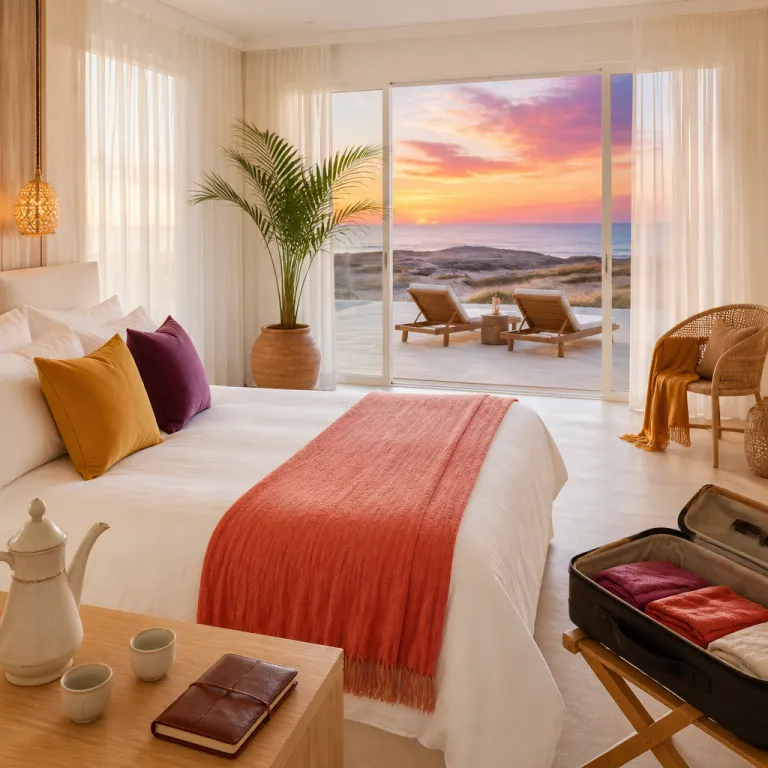
Why slow travel Oman changes how you see luxury
Oman rewards the traveler who lingers, not the one who counts passport stamps. When you choose to travel Oman with a week in a single property rather than racing between muscat, Nizwa and the islands, the country’s quiet luxury finally has time to surface. A longer trip in Oman turns the hotel from a polished backdrop into a living place where staff, local rituals and the surrounding landscape begin to shape your days.
Average daily temperatures in Muscat sit around 30 °C, which makes stillness feel less like restraint and more like good sense. Instead of chasing every wadi and every fort in one frantic day trip, you can plan your visit around cooler early mornings and long shaded afternoons, letting your oman travel rhythm match the omani pace. This slower time frame also lowers travel risk, because you are not constantly on the road, and it gives you space to understand local laws, customs and health expectations before you venture farther afield.
Oman is considered safe for travelers, and that safety security reputation is one reason executives extend business trips into leisure stays. When you are not packing every day, you notice how the oman police presence feels discreet yet reassuring, and how omani authorities communicate clearly about entry exit rules and local regulations. Staying put also means you can speak calmly with local authorities or hotel concierges about drive time to places like Jebel Akhdar or Wahiba Sands, rather than relying on rushed advice gathered in an airport queue abroad.
The three night reveal in Muscat’s grand hotels
Muscat is where many trips begin, yet most travelers treat the city as a single night stop between flights. When you give yourself three or four nights in one of the capital’s palace style properties, the experience of travel Oman shifts from checklist tourism to a layered relationship with one address. On day one the lobby feels formal and the staff polished, but by day three the omani team at breakfast knows your coffee order and the doorman has quietly adjusted your preferred drive time to meetings.
For business leisure travelers, this is where the week of stillness pays off. You might attend a conference near the Sultan Qaboos Grand Mosque, then return to the same hotel each evening, using the extra time to swim at dawn, walk the gardens and plan a single curated day trip rather than multiple rushed excursions. If you are considering a stay at Al Bustan level properties, read this detailed update on what luxury travelers need to know about major renovations before you book, because long stays demand clarity about facilities, noise and service continuity.
Is Oman safe for tourists? Yes, Oman is considered safe for travelers. What is the best time to visit Oman? October to April offers pleasant weather. Do I need a visa to visit Oman? Visa requirements vary; check with Omani consulate. Those official answers matter more when you plan to remain in Muscat for several days, because your entry documents, travel insurance and medical coverage must be robust enough for a longer stay. In premium hotels, guest relations teams often liaise with omani authorities if any entry exit questions arise, and they can advise on local health clinics or medical specialists should you need them.
Morning rituals, omani hosts and the luxury of repetition
The first morning in a new hotel is usually about orientation, but by the second or third day a different rhythm appears. In Oman that rhythm often begins with kahwa, the traditional omani coffee poured before questions are asked, served with dates as the sun lifts over the sea or the mountains. When you travel Oman slowly, these repeated gestures from local hosts become the real definition of luxury, because they signal that you are no longer just passing through.
In Muscat’s coastal resorts, the pool at 6 am is almost empty, and the staff member who sets out towels will often become your informal guide to local life. Over several days they might suggest the best time to visit Mutrah corniche, explain how royal Oman traditions shape public holidays, or share which wadi near the city has the clearest water that week. This is where staying still reduces risk, because you are drawing on lived omani knowledge rather than anonymous tips gathered abroad, and you can cross check any advice with local authorities or your hotel concierge.
Beyond the capital, community based stays near heritage villages or wadis work best when you give them time. Local guides in places like Rustaq or the smaller settlements around Wadi Bani Awf often collaborate with high end hotels, and their value only becomes clear when you join more than one walk or workshop. To understand how these community hosts complement five star service, read about the community guides your five star concierge cannot replace, then plan at least one full day with the same guide so that stories can deepen from one day to the next.
From Muscat to mountains and sands: two bases, not five
A classic first time itinerary tries to fit Muscat, Nizwa, Jebel Akhdar, Wahiba Sands and the Daymaniyat Islands into a single week. That kind of travel across Oman looks efficient on paper, but the reality is long drive time, repeated packing and little space to feel the country’s calm. A better strategy is to choose two bases, perhaps a coastal hotel in Muscat and a mountain or desert retreat, and then build your trip around deep days rather than constant movement.
From Muscat, a well planned day trip can still take you to Nizwa Fort, the old souq and nearby villages without forcing you to change hotels. The drive time is manageable, and returning to the same room at night allows you to process what you have seen, from omani silverwork to the quiet authority of the fort’s towers. For more context on these markets and how to visit with children or colleagues, explore this guide to Oman’s living souq traditions in Mutrah and Nizwa, then decide whether you want a private driver or to rely on your hotel’s curated excursions.
For your second base, you might choose Jebel Akhdar in the Al Hajar range or a camp near Wahiba Sands, both within reach of Muscat yet atmospherically distant. Properties on Jebel Akhdar offer terraces that look over terraced villages and wadis, and staying several nights lets you experience how the light changes across Wadi Bani and the surrounding cliffs. In the desert, repeated sunset drives into Wahiba Sands reveal different dune lines each day, and your guides can adjust routes based on safety security conditions, advice from local authorities and even wind direction.
Wadis, islands and the practicalities of staying longer
Slow travel Oman does not mean skipping the country’s headline landscapes, it means approaching them with intention. When you base yourself in Muscat for several days, you can choose the best day to visit Wadi Shab or Wadi Bani Khalid based on weather, crowds and your own energy. Hotel concierges stay in close contact with local authorities and tour partners, so they can advise on any temporary risk, water levels or access changes before you commit to a long drive.
The Daymaniyat Islands, a protected marine reserve off the coast, reward this same patience. Rather than squeezing a snorkelling trip into a packed schedule, you can wait for a clear day with calm seas, which your hotel or yacht operator will monitor with oman police coast guard updates and guidance from omani authorities. Because these islands are regulated, entry rules and local laws around anchoring and wildlife protection are strict, and your hotel can help ensure that your visit respects both safety security standards and environmental guidelines.
Health and logistics matter more when you stay longer in one place, especially for travelers arriving from Saudi Arabia or farther abroad. Comprehensive travel insurance that covers medical care in Oman is essential, because even in a safe middle east destination unexpected illness can disrupt a carefully planned week. Premium hotels maintain relationships with medical clinics and can coordinate with royal Oman hospital networks if needed, giving you confidence that any health issue will be handled smoothly while you continue to enjoy the measured pace of your extended stay.
Business leisure in Oman: extending the work trip
Executives often arrive in Muscat for a conference, then leave having seen little more than a meeting room and a lobby. Extending that work trip by two or three days in the same hotel transforms travel Oman from obligation into privilege, because you finally have time to engage with the city beyond the boardroom. The key is to treat those extra days not as leftover hours, but as a deliberate chapter of your trip with its own priorities.
Start by aligning your schedule with the hotel’s strengths and the surrounding neighbourhood. One day might focus on health and reset, using the spa, pool and early morning walks along the corniche before emails begin, while another day becomes a structured exploration of cultural sites such as the Sultan Qaboos Grand Mosque or the Royal Opera House. Because you are not changing hotels, the concierge can refine each day trip based on your interests, whether that means a private visit to Nizwa Fort, a guided hike near Jebel Akhdar or a discreet excursion into Wahiba Sands with reliable drivers vetted by local authorities.
For regional travelers arriving from Saudi Arabia or other middle east hubs, this blended business leisure model also simplifies entry exit planning. You can coordinate visas, local laws briefings and any required permits with your corporate travel team and the hotel in advance, reducing risk at the border and during your stay. With strong safety security standards, responsive oman police services and clear communication from omani authorities, Oman offers a rare combination of operational ease and soulful calm, especially when you give yourself the luxury of staying still.
FAQ about slow luxury stays in Oman
How many days should I stay in one Omani hotel?
For a meaningful experience, plan at least three nights in each luxury property in Oman. That duration allows staff to understand your preferences and gives you time to explore nearby highlights without rushing. A full week split between Muscat and either Jebel Akhdar or Wahiba Sands works well for most travelers.
Is it safe to rent a car and drive between regions?
Roads between Muscat, Nizwa, Jebel Akhdar and Wahiba Sands are generally well maintained, and self drive travel is common. Always check with your hotel and local authorities about current conditions, especially for mountain routes that may require a 4x4 vehicle. Respect speed limits, carry water and allow generous drive time so you are not on the road after dark.
Do I need special travel insurance for Oman?
Comprehensive travel insurance that includes medical coverage is strongly recommended for any trip to Oman. Policies should cover emergency treatment, evacuation and trip changes, particularly if you plan activities such as hiking in wadis or visiting the Daymaniyat Islands. Confirm that your insurer recognises Omani medical facilities and understands regional travel from countries such as Saudi Arabia.
When is the best time to visit Muscat and the mountains?
The most comfortable period for Muscat, Nizwa and Jebel Akhdar runs from cooler autumn months through spring, when daytime temperatures are milder. During hotter months, mountain areas like Jebel Akhdar remain more temperate than the coast, making them attractive for longer stays. Always check current forecasts and plan outdoor activities for early morning or late afternoon.
Are wadi and desert excursions suitable for children or older travelers?
Many wadi walks and desert drives can be tailored to different fitness levels, but conditions vary. Choose reputable operators recommended by your hotel, ask about walking distances and shade, and confirm safety measures with local authorities if needed. For multi generational groups, consider shorter day trips with plenty of rest time back at your hotel.