Omani coffee kahwa hospitality as the real luxury check in
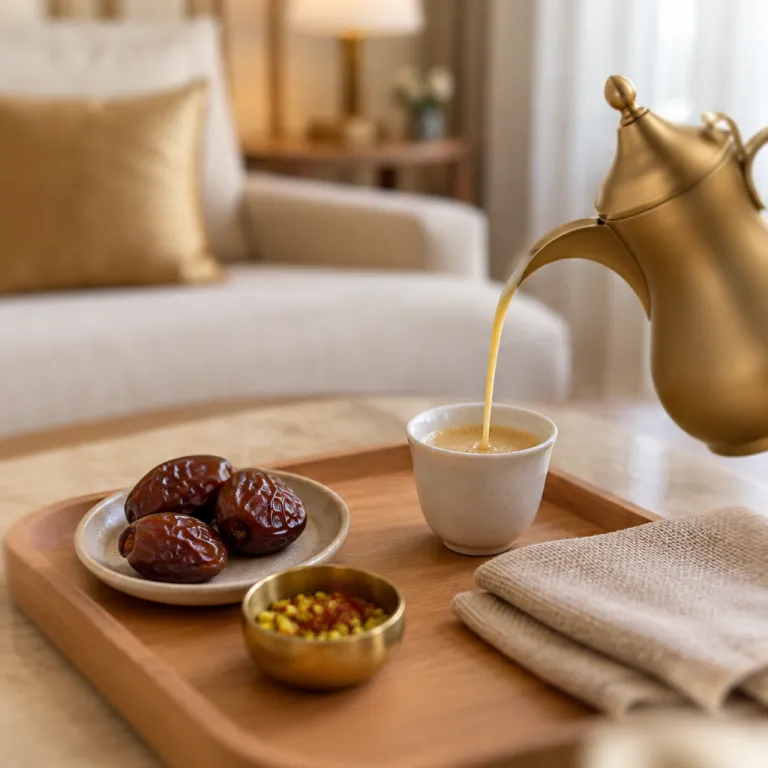
In Oman, true luxury starts with omani coffee kahwa hospitality, not with marble. The first minutes in a lobby, when a server approaches with a dallah and a small finjan cup, reveal more about omani hospitality than any chandelier ever will. That first serving of lightly roasted spiced coffee, paired with fresh dates, is where culture, heritage and service standards quietly intersect.
Omani coffee is usually a lightly roasted traditional coffee, closer to golden than dark. The beans are often blended with cardamom coffee notes, sometimes with a whisper of saffron or rosewater, creating an omani kahwa that feels both traditional omani and surprisingly delicate. When a property understands this coffee culture, the omani coffee arrives hot, fragrant and poured in a small cup only one third full, ready for a social exchange that is as much ritual as refreshment.
In Muscat city, from palace hotels near the sea to desert lodges beyond Muscat, the same cultural script should apply. A staff member holds the dallah in the left hand and pours with the right, offering the cup to the guest with a slight bow that signals respect. You sip, accept kahwa dates or coffee dates on the side, and let the rhythm of omani hospitality slow your day trip pace before any city tour or longer tours begin.
The kahwa ritual decoded: what the cup is really saying
The omani coffee kahwa hospitality ritual is simple on the surface, but every detail speaks. The cup is intentionally small, because this traditional omani gesture is about repeated serving and social connection, not caffeine volume. A well trained host keeps the dallah moving, watching your hand for the subtle shake that signals you have had enough traditional coffee for now.
In a refined property in Muscat, you will notice how the server presents the omani coffee beans story while pouring, without turning it into a lecture. They might mention that the coffee is lightly roasted to keep the spiced coffee notes bright, or that the cardamom coffee blend is sourced from a trusted roaster in oman, while offering omani halwa and dates as a sweet counterpoint. The best teams treat this as a cultural exchange, not a performance for tourists, which is the essence of authentic omani hospitality.
Look at the accompaniments as closely as the kahwa omani itself. Fresh dates should be plump, not sugary or tired, and kahwa dates or coffee dates might be offered alongside omani halwa on a small tray that reflects local heritage patterns. When a hotel understands this cultural moment, the serving style, the social ease and the quiet confidence in the ritual tell you that the wider hospitality culture of the property is likely just as considered.
Reading a property through its first pour
For a solo explorer using a guide Oman resource or a site like myomanstay.com, the omani coffee kahwa hospitality ritual is a fast, reliable barometer. When you sit down in a Muscat lobby and the kahwa omani arrives pre poured, lukewarm and without dates, you already know that the hotel is treating culture as décor rather than as a living practice. If the cup is filled to the brim, or if no one offers a refill, the staff have not been trained in the social codes that shape traditional omani hosting.
By contrast, when a server appears almost before check in is complete, carrying a gleaming dallah and a tray of fresh dates, you can feel the difference. They pour a small cup, explain gently that this is omani coffee with cardamom coffee notes, and invite you to sit while they handle the paperwork, which signals that you are a guest first and a booking second. That balance between efficient process and relaxed cultural ritual is what separates a merely expensive stay from a genuinely luxurious one in Oman.
Watch how the team handles variations during your stay, not just at arrival. If you return from a city tour of Muscat city or from more adventurous tours into the interior, and someone quietly offers another round of traditional coffee and kahwa dates without being asked, the property has woven omani hospitality into its daily rhythm. When the ritual appears only once, as a staged welcome before a long day trip, it usually means the hotel has not fully integrated this heritage into its service DNA.
From lobby gesture to stay long ritual
The most compelling omani coffee kahwa hospitality experiences do not end at the lobby. In well run properties across Oman, the ritual reappears in different cultural contexts, from pre dinner gatherings to late night conversations under desert skies. You might find traditional coffee and omani halwa waiting in your room after a long drive, or a server offering a small cup of omani coffee as you sit in the courtyard planning the next day trip.
Some hotels in Muscat city now design short cultural sessions around omani kahwa, not as staged shows but as intimate conversations. A staff member may explain how families in oman grind coffee beans at home, why lightly roasted beans suit the climate of the Arabian Peninsula, and how social etiquette around the cup shapes everyday life. When done well, these moments feel like a guide Oman masterclass in living heritage rather than a scripted tour, and they deepen your understanding of omani hospitality beyond the surface.
Outside the capital, desert camps and mountain retreats often lean on the kahwa omani ritual to frame their sense of place. After a hike or a regulated wadi adventure, which you can research through resources on new adventure tourism rules, returning to a tray of spiced coffee and fresh dates can feel like the most luxurious amenity on offer. In these settings, the serving of omani coffee becomes a social anchor, drawing solo travelers into quiet conversations that outlast any formal tours or scheduled activities.
Practical cues for travelers: what to notice in ten minutes
When you arrive at a luxury hotel in Oman, you can read the omani coffee kahwa hospitality within ten minutes. First, note how quickly someone acknowledges you as a guest and whether the offer of omani coffee comes naturally, without you asking. If the staff seem unsure about the ritual, or if the dallah appears only after a manager intervenes, the cultural training may be thin.
Second, pay attention to the details of the serving itself. Is the kahwa omani hot, aromatic and clearly made from quality coffee beans, or does it taste flat and reheated, more like an airport lounge gesture than a living tradition of the Arabian Peninsula. Are the dates fresh and varied, perhaps including both coffee dates and softer kahwa dates, or are they an afterthought on a crowded tray.
Finally, watch how the ritual adapts over your stay, from breakfast to late evening. A property that offers a small cup of traditional coffee after a spa treatment, or that sends omani coffee and omani halwa to your room when you return from a long city tour, understands that omani hospitality is a continuous cultural thread. When you see this level of care, you can trust that other elements, from room service timing to the design of longer tours and day trip options, will likely reflect the same thoughtful heritage driven approach.
FAQ
How should I respond when offered omani coffee in a hotel
Accept the small cup with your right hand, take a sip and feel free to ask for more if you enjoy the omani coffee. When you have finished, gently shake the cup from side to side to signal that you do not want another serving. This simple gesture respects omani hospitality customs while keeping the exchange relaxed and social.
Is it rude to refuse dates or omani halwa with my kahwa
It is perfectly acceptable to decline dates or omani halwa if you are not hungry or have dietary restrictions. A polite smile and a brief explanation are enough, and staff in Muscat city and beyond are used to international guests. What matters most is acknowledging the cultural intention behind the offer, which is central to omani coffee kahwa hospitality.
Can I ask hotel staff to explain the kahwa ritual in more detail
Most luxury properties in Oman are happy to share more about the kahwa omani ritual when asked. You can request a short explanation of the coffee beans, the lightly roasted style and the role of dates in the ceremony. This often leads to a richer cultural conversation and can even inspire staff to suggest related tours or a more in depth guide Oman experience.
Will every luxury hotel in Oman serve traditional omani coffee
Many high end hotels in Oman now include traditional coffee as part of their welcome, but the quality varies. Some properties treat omani coffee as a core expression of omani hospitality, while others offer it only occasionally or in a simplified form. Checking recent guest reviews or using a specialist platform such as myomanstay.com can help you identify stays where the ritual is taken seriously.
What if I do not like cardamom or spiced coffee flavors
If cardamom coffee or other spiced coffee notes are not to your taste, you can still participate in the ritual politely. Try a small sip of the omani kahwa, then ask for plain coffee or tea for your next drink, which staff will understand. The key is to engage with the cultural moment while being honest about your preferences, which is entirely compatible with omani coffee kahwa hospitality.